EN
EN



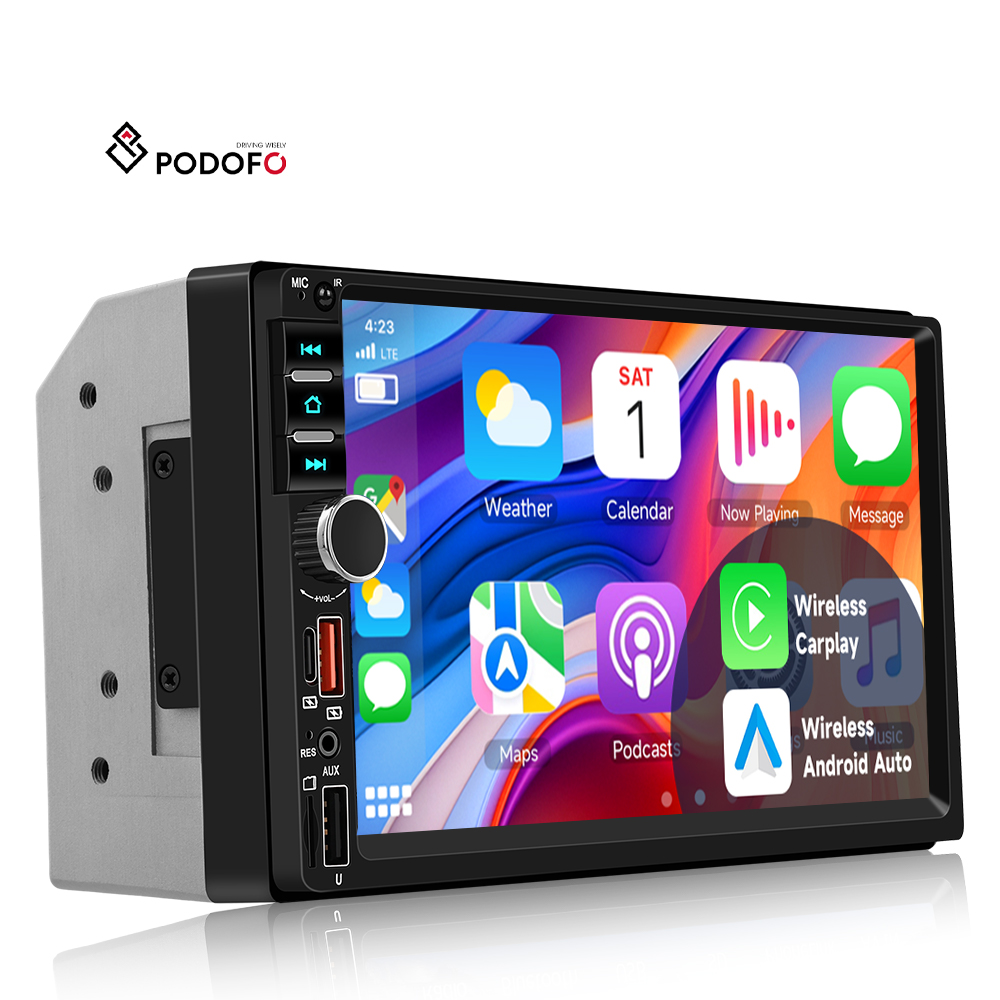
Modern driving experiences demand more than basic radio functionality, and an Android car stereo represents a transformative upgrade that revolutionizes how drivers interact with navigation, entertainment, and connectivity features. Unlike traditional car audio systems, an Android car stereo integrates the familiar Android operating system directly into your vehicle's dashboard, providing seamless access to Google services, third-party applications, and advanced multimedia capabilities that enhance every aspect of your driving experience.
The integration of Android technology into automotive audio systems addresses three critical areas where traditional car stereos fall short: limited navigation capabilities, restrictive music playback options, and minimal app functionality. By leveraging the Android ecosystem, these advanced stereo systems transform your vehicle into a connected hub that mirrors the functionality of modern smartphones while maintaining focus on safe, hands-free operation during travel.
Advanced Navigation Capabilities Through Android Integration
Real-Time GPS Navigation with Google Maps Integration
An Android car stereo provides direct access to Google Maps, offering real-time traffic updates, route optimization, and detailed turn-by-turn directions that surpass traditional GPS units. The system automatically updates maps through Wi-Fi connectivity, ensuring drivers always have access to the latest road information, construction updates, and point-of-interest data without requiring manual downloads or subscription fees.
The integration extends beyond basic navigation to include voice-activated route planning, where drivers can simply speak their destination and receive optimized routing based on current traffic conditions. This Android car stereo functionality reduces driver distraction while providing more accurate arrival times compared to standalone navigation devices that lack real-time connectivity.
Multiple Navigation App Support
Beyond Google Maps, Android car stereos support alternative navigation applications like Waze, HERE WeGo, and MapQuest, allowing drivers to choose their preferred navigation interface and feature set. This flexibility enables users to leverage community-driven traffic reporting through Waze or offline navigation capabilities through downloaded map applications when cellular connectivity is limited.
The system seamlessly switches between navigation apps based on user preference or specific journey requirements, such as using Waze for daily commuting with real-time traffic alerts and switching to offline maps for rural or remote area travel where cellular coverage may be inconsistent.
Location-Based Services and Points of Interest
Android car stereo systems leverage location-based services to provide contextual information about nearby restaurants, gas stations, hotels, and attractions without requiring manual searches. The system can automatically suggest relevant stops based on travel patterns, fuel levels, and time of day, enhancing the overall travel experience through predictive assistance.
Voice search capabilities allow drivers to find specific businesses, services, or addresses using natural language commands, with the system providing detailed information including customer reviews, operating hours, and direct calling options for reservations or inquiries.
Enhanced Music and Audio Entertainment Options
Streaming Service Integration and Wireless Connectivity
An Android car stereo transforms music consumption by providing direct access to popular streaming platforms including Spotify, Amazon Music, YouTube Music, and Pandora without requiring smartphone tethering. The system maintains independent internet connectivity through built-in Wi-Fi or cellular capabilities, ensuring uninterrupted music streaming even when passengers use their phones for other purposes.
Wireless Android Auto and Apple CarPlay compatibility extends this functionality by seamlessly mirroring smartphone music libraries and streaming apps while maintaining familiar user interfaces. The system automatically connects to known devices when drivers enter the vehicle, eliminating the need for cable connections and reducing setup time.
Multi-Source Audio Management
Modern Android car stereo units manage multiple audio sources simultaneously, allowing users to switch between FM/AM radio, Bluetooth streaming, USB media, and online streaming services through intuitive touch controls or voice commands. The system remembers user preferences for different audio sources and automatically resumes playback from the last used service when the vehicle starts.
Advanced equalizer settings and sound processing capabilities enable users to customize audio output for different music genres, vehicle acoustics, and personal preferences, with some systems offering automatic sound adjustment based on vehicle speed and ambient noise levels.
Offline Media Storage and Organization
Built-in storage capabilities allow users to download music, podcasts, and audiobooks directly to the Android car stereo system, ensuring entertainment availability in areas with poor cellular coverage. The system organizes media libraries using familiar Android file management structures, making it easy to browse and select content during travel.
Smart playlist generation based on listening history, time of day, and travel duration helps create appropriate audio experiences for different journey types, while podcast and audiobook bookmark synchronization ensures seamless continuation of longer content across multiple trips.
Comprehensive App Ecosystem and Productivity Features
Communication and Messaging Integration
Android car stereo systems provide hands-free communication through integrated messaging apps, email clients, and voice-to-text functionality that maintains driver safety while enabling essential connectivity. The system can read incoming messages aloud and compose responses through voice dictation, reducing the temptation to handle mobile devices while driving.
Advanced contact management syncs with Google accounts and smartphone contacts, enabling voice-activated calling and messaging to specific individuals or groups. The Android car stereo can prioritize important contacts and filter notifications based on driving status, ensuring critical communications are received while minimizing distractions during travel.
Weather and Traffic Information Services
Integrated weather applications provide real-time forecasts, severe weather alerts, and road condition updates that help drivers make informed decisions about route selection and departure timing. The system can automatically suggest alternate routes when weather conditions affect primary travel paths and provide advance warning of potentially hazardous driving conditions.
Traffic monitoring goes beyond basic congestion alerts to include construction notifications, accident reports, and road closure information from multiple data sources, enabling proactive route adjustments that save time and reduce fuel consumption during daily commuting and long-distance travel.
Vehicle Diagnostics and Maintenance Tracking
Advanced Android car stereo systems can interface with vehicle diagnostic systems through OBD-II connections, providing real-time monitoring of engine performance, fuel efficiency, and maintenance requirements directly through the dashboard display. This integration helps drivers stay informed about vehicle health and plan maintenance activities proactively.
Maintenance reminder applications track service intervals, tire rotations, and inspection due dates while providing location-based recommendations for nearby service centers and parts suppliers. Some systems can automatically schedule service appointments and send maintenance records to preferred mechanics or dealerships.
Installation Compatibility and Technical Integration
Vehicle-Specific Mounting and Wiring Solutions
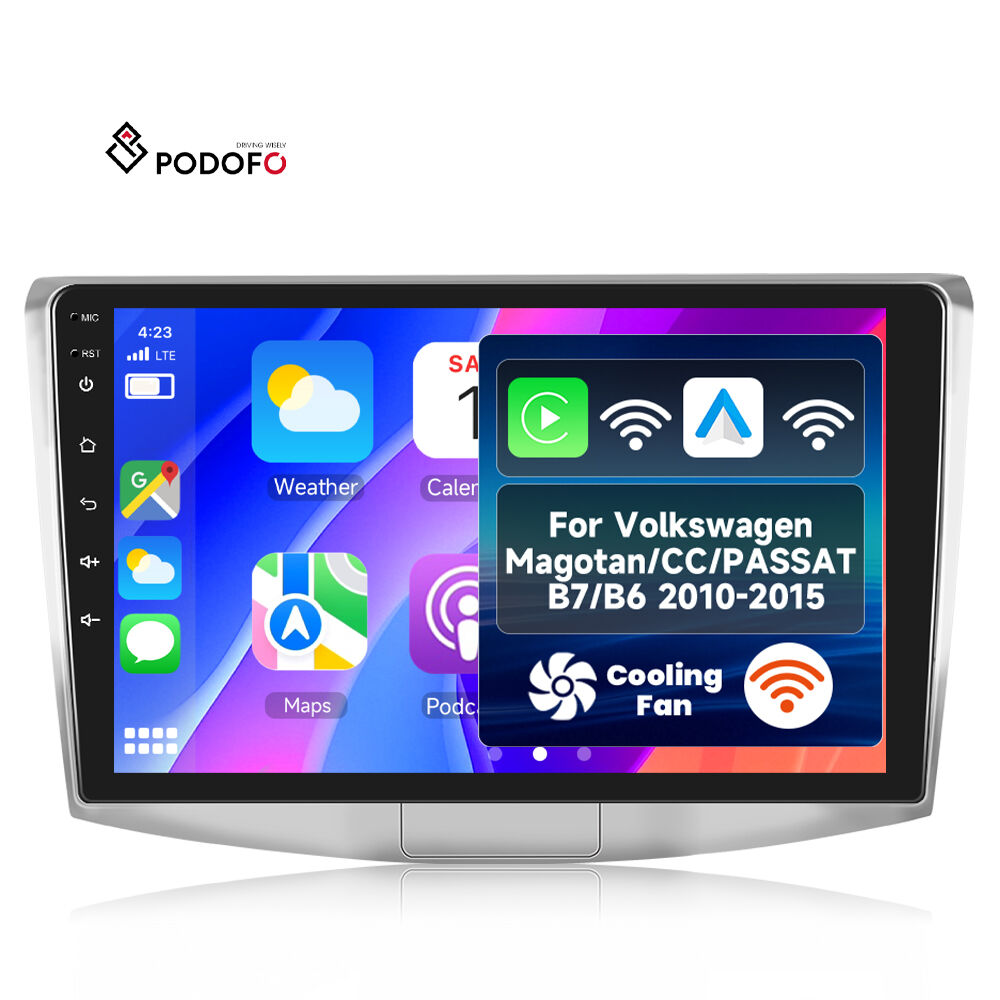
Modern Android car stereo units are designed with vehicle-specific mounting brackets and wiring harnesses that simplify installation while maintaining factory appearance and functionality. Professional installation ensures proper integration with existing vehicle systems including steering wheel controls, backup cameras, and factory amplifiers without compromising original equipment performance.
CAN-bus compatibility enables the Android car stereo to communicate with vehicle computer systems, accessing information like fuel levels, door status, and climate control settings while maintaining proper integration with factory safety systems and warning indicators.
Screen Size and Interface Customization
Various screen sizes ranging from 7-inch to 12-inch displays accommodate different vehicle dashboards and user preferences, with high-resolution touchscreens providing clear visibility in various lighting conditions. Customizable interface layouts allow users to prioritize frequently used functions and organize app icons based on personal preferences and driving habits.
Night mode and automatic brightness adjustment ensure optimal screen visibility without causing driver distraction, while gesture controls and voice activation reduce the need for precise touch inputs during vehicle operation.
Connectivity and Expansion Options
Multiple connectivity options including Wi-Fi, Bluetooth, USB ports, and auxiliary inputs ensure compatibility with various devices and media sources. Some Android car stereo systems include built-in cellular modems for independent internet connectivity, while others rely on smartphone hotspot connections or Wi-Fi tethering for online functionality.
Expandable storage through microSD cards or USB drives accommodates large media libraries and application downloads, while firmware update capabilities ensure the system remains current with latest Android features and security improvements over the vehicle's operational lifespan.
FAQ
Can an Android car stereo work without a smartphone connection?
Yes, an Android car stereo operates independently with its own Android operating system, Wi-Fi connectivity, and built-in applications. While smartphone integration enhances functionality through Android Auto or Apple CarPlay, the system provides navigation, music streaming, and app access without requiring a connected phone, making it fully functional for users who prefer standalone operation.
What vehicles are compatible with Android car stereo installation?
Most vehicles manufactured after 2000 can accommodate Android car stereo installation, though compatibility depends on dashboard design and existing wiring configurations. Vehicle-specific installation kits and wiring harnesses are available for popular car models, while professional installers can adapt systems for older or unique vehicles that require custom mounting solutions.
How does Android car stereo performance compare to smartphone navigation?
Android car stereo systems typically provide superior navigation performance due to larger screens, dedicated GPS antennas, and optimized automotive interfaces that reduce driver distraction. The systems maintain consistent performance without draining smartphone batteries and continue operating even when phones are used for other purposes or experience connectivity issues.
Do Android car stereos require ongoing subscription fees for navigation and apps?
Basic navigation through Google Maps and most pre-installed Android applications do not require subscription fees, as they operate through standard internet connectivity. However, premium streaming services like Spotify Premium or satellite radio may require separate subscriptions, while offline map downloads and some specialized automotive apps may offer premium features through optional subscription services.