EN
EN




Modern vehicles have transformed from simple mechanical machines into sophisticated technological platforms, largely due to the integration of auto electronic systems. These advanced electronic components and networks have revolutionized how we interact with our vehicles, fundamentally changing the driving experience through enhanced safety protocols and unprecedented convenience features. Understanding how auto electronic systems improve vehicle safety and convenience reveals the intricate web of sensors, processors, and communication networks that work seamlessly behind the scenes to protect passengers and enhance the overall driving experience.
The transformation brought about by auto electronic systems extends far beyond simple entertainment or navigation functions. These sophisticated systems create an interconnected ecosystem within vehicles that continuously monitors, analyzes, and responds to countless variables affecting both safety and convenience. From preventing accidents through predictive safety measures to automating routine tasks that once required manual intervention, auto electronic systems have become the invisible guardians and assistants that make modern driving both safer and more enjoyable than ever before.
Safety Enhancement Through Electronic Monitoring and Control
Active Safety Systems and Accident Prevention
Auto electronic systems significantly improve vehicle safety through active monitoring and intervention capabilities that can prevent accidents before they occur. Electronic stability control systems continuously monitor wheel speed, steering angle, and lateral acceleration to detect potential loss of control situations. When the system identifies that the vehicle is beginning to skid or slide, it automatically applies individual wheel brakes and reduces engine power to help the driver maintain control and prevent rollovers or spinouts.
Advanced driver assistance systems represent another critical safety improvement enabled by auto electronic systems. These sophisticated networks use cameras, radar sensors, and ultrasonic detectors to create a comprehensive awareness bubble around the vehicle. Lane departure warning systems alert drivers when they begin to drift from their lane without signaling, while blind spot monitoring systems detect vehicles in adjacent lanes that may not be visible in mirrors. Forward collision warning systems can detect imminent crashes and automatically apply emergency braking when driver reaction time may be insufficient.
The integration of multiple auto electronic systems creates redundant safety layers that work together to protect occupants. Adaptive cruise control systems maintain safe following distances by automatically adjusting vehicle speed based on traffic conditions, while automatic emergency braking systems can bring vehicles to a complete stop when obstacles are detected. These systems demonstrate how auto electronic systems improve vehicle safety by providing continuous vigilance and rapid response capabilities that exceed human reaction times and awareness limitations.
Passive Safety System Integration
Auto electronic systems also enhance passive safety measures that protect occupants during unavoidable collisions. Electronic crash sensors throughout the vehicle detect impact forces and deploy airbags with precise timing and force appropriate to the specific crash scenario. These systems can differentiate between different types of collisions and adjust airbag deployment accordingly, ensuring optimal protection while minimizing the risk of airbag-related injuries.
Seatbelt pretensioning systems work in coordination with crash detection electronics to automatically tighten seatbelts milliseconds before impact, positioning occupants optimally for airbag protection. Electronic systems also control post-crash functions such as automatically unlocking doors, turning on hazard lights, and contacting emergency services through integrated telematics systems. This comprehensive approach demonstrates how auto electronic systems improve vehicle safety by coordinating multiple protective measures to maximize occupant protection during all phases of a collision event.
Convenience Features Through Intelligent Automation
Climate Control and Environmental Management
Auto electronic systems dramatically improve vehicle convenience through intelligent climate control systems that automatically maintain optimal cabin environments. Dual-zone and multi-zone climate control systems use electronic sensors to monitor temperature, humidity, and air quality throughout the passenger compartment. These systems automatically adjust heating, cooling, and ventilation to maintain personalized comfort settings for different seating areas, eliminating the need for manual adjustments and ensuring consistent comfort regardless of external weather conditions.
Advanced auto electronic systems can even anticipate climate control needs by integrating with navigation systems and weather data. These predictive systems can pre-cool or pre-heat the vehicle based on planned departure times and expected weather conditions. Rain-sensing wipers and automatic headlight systems represent additional convenience features that respond to environmental conditions without driver intervention, allowing drivers to focus on driving while auto electronic systems manage routine vehicle functions.
Access and Security Automation
Keyless entry and push-button start systems exemplify how auto electronic systems improve vehicle convenience through seamless access control. These systems use proximity sensors and encrypted communication protocols to automatically unlock doors when authorized key fobs approach the vehicle and allow engine starting without traditional key insertion. Electronic parking brake systems automatically engage when the vehicle is parked and release when the driver begins to accelerate, eliminating manual parking brake operation.
Auto electronic systems also enhance security through sophisticated alarm systems that monitor multiple vehicle parameters including door and window status, interior motion, and unauthorized engine starting attempts. Remote monitoring capabilities allow owners to check vehicle status, lock or unlock doors, and even start engines from smartphone applications. These integrated security and access systems demonstrate how auto electronic systems improve vehicle convenience by eliminating routine manual tasks while maintaining high levels of security and control.
Information and Entertainment System Integration
Infotainment and Connectivity Solutions
Modern auto electronic systems have revolutionized vehicle entertainment and information access through sophisticated infotainment platforms that integrate multiple communication and media technologies. Touchscreen interfaces provide intuitive control over audio systems, navigation, climate control, and vehicle settings through unified user interfaces. These systems support multiple input methods including voice commands, steering wheel controls, and gesture recognition, allowing drivers to access information and entertainment while maintaining focus on driving tasks.
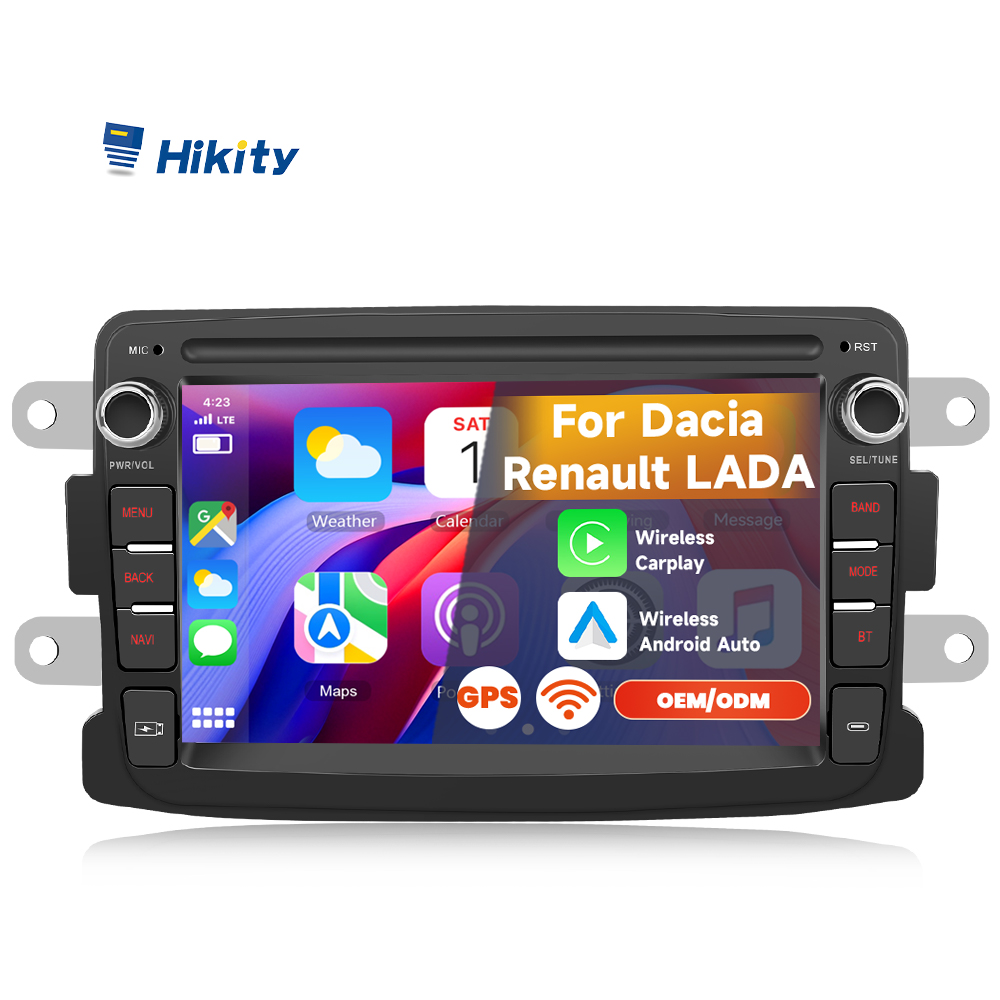
Wireless connectivity features enable seamless integration with smartphones and mobile devices, allowing auto electronic systems to extend the functionality of personal technology into the vehicle environment. Bluetooth connectivity supports hands-free calling and audio streaming, while Wi-Fi hotspot capabilities provide internet access for passengers. Apple CarPlay and Android Auto integration allows drivers to access familiar smartphone interfaces through vehicle displays, ensuring consistent user experiences across different technology platforms.
Navigation and Route Optimization
GPS navigation systems represent a fundamental convenience improvement enabled by auto electronic systems, providing real-time routing guidance that adapts to current traffic conditions and road closures. These systems integrate with live traffic data to automatically recalculate routes when faster alternatives become available, saving time and reducing driver stress during unfamiliar journeys. Voice-guided navigation instructions allow drivers to receive routing information without taking their eyes off the road.
Advanced auto electronic systems can integrate navigation with other vehicle systems to optimize performance and efficiency. Route information can be shared with engine management systems to pre-condition powertrains for upcoming terrain changes, while climate control systems can prepare cabin temperatures based on expected journey duration. These integrated approaches demonstrate how auto electronic systems improve vehicle convenience by anticipating driver needs and automatically coordinating multiple vehicle functions to enhance the overall driving experience.
Performance Optimization and Maintenance Management
Engine and Powertrain Management
Auto electronic systems significantly improve vehicle performance and efficiency through sophisticated engine management systems that continuously optimize combustion, fuel delivery, and emissions control. Electronic control units monitor hundreds of parameters including engine temperature, air flow, fuel pressure, and exhaust composition to maintain optimal performance under varying driving conditions. These systems can adjust ignition timing, fuel injection quantities, and variable valve timing in real-time to maximize power output while minimizing fuel consumption and emissions.
Transmission control systems work in coordination with engine management electronics to optimize gear selection and shift timing based on driving conditions, load requirements, and driver preferences. Adaptive transmission systems learn individual driving patterns and adjust shift characteristics to match driver expectations while maintaining optimal fuel efficiency. These intelligent powertrain management systems demonstrate how auto electronic systems improve vehicle convenience by automatically optimizing performance without requiring driver intervention or technical knowledge.
Predictive Maintenance and Diagnostics
Auto electronic systems enhance vehicle ownership convenience through comprehensive diagnostic capabilities that monitor component health and predict maintenance requirements. On-board diagnostic systems continuously monitor the performance of emissions control systems, engine components, and electronic modules to identify potential problems before they cause breakdowns. These systems can alert drivers to scheduled maintenance needs and provide specific diagnostic information to service technicians, reducing diagnostic time and repair costs.
Advanced auto electronic systems can even communicate maintenance needs to service providers through telematics connections, automatically scheduling appointments and ensuring that required parts are available when vehicles arrive for service. Tire pressure monitoring systems represent another example of how auto electronic systems improve both safety and convenience by alerting drivers to pressure loss that could affect handling, fuel efficiency, or tire life. These predictive maintenance capabilities demonstrate how auto electronic systems improve vehicle ownership by reducing unexpected breakdowns and optimizing service efficiency.
FAQ
What are the most important safety improvements provided by auto electronic systems?
The most critical safety improvements from auto electronic systems include electronic stability control, automatic emergency braking, blind spot monitoring, and lane departure warning systems. These systems work together to prevent accidents by monitoring vehicle dynamics, detecting potential hazards, and intervening when necessary. Electronic crash sensors and airbag deployment systems also enhance occupant protection during unavoidable collisions by optimizing protective system activation timing and force.
How do auto electronic systems make daily driving more convenient?
Auto electronic systems improve daily driving convenience through automated climate control, keyless entry and starting, intelligent navigation with real-time traffic updates, and integrated infotainment systems. These systems eliminate manual tasks like adjusting environmental controls, provide seamless smartphone integration, and offer voice-controlled operation of various vehicle functions. Predictive maintenance alerts and remote vehicle monitoring further reduce ownership hassles by preventing unexpected problems and enabling proactive service scheduling.
Can auto electronic systems reduce vehicle operating costs?
Yes, auto electronic systems can significantly reduce operating costs through improved fuel efficiency, predictive maintenance capabilities, and accident prevention. Engine management systems optimize fuel consumption and reduce emissions, while diagnostic systems identify maintenance needs before costly breakdowns occur. Safety systems that prevent accidents avoid repair costs, insurance claims, and potential injury expenses. Additionally, route optimization and traffic-aware navigation can reduce fuel consumption and travel time.
Are auto electronic systems reliable for long-term vehicle ownership?
Modern auto electronic systems are designed for long-term reliability with extensive testing and redundant safety measures. Most systems include self-diagnostic capabilities that monitor their own performance and alert users to potential issues. While electronic components may require eventual replacement like any vehicle part, the benefits in safety, convenience, and efficiency typically far outweigh maintenance costs. Regular software updates can also improve system performance and add new features over the vehicle's lifespan.