EN
EN



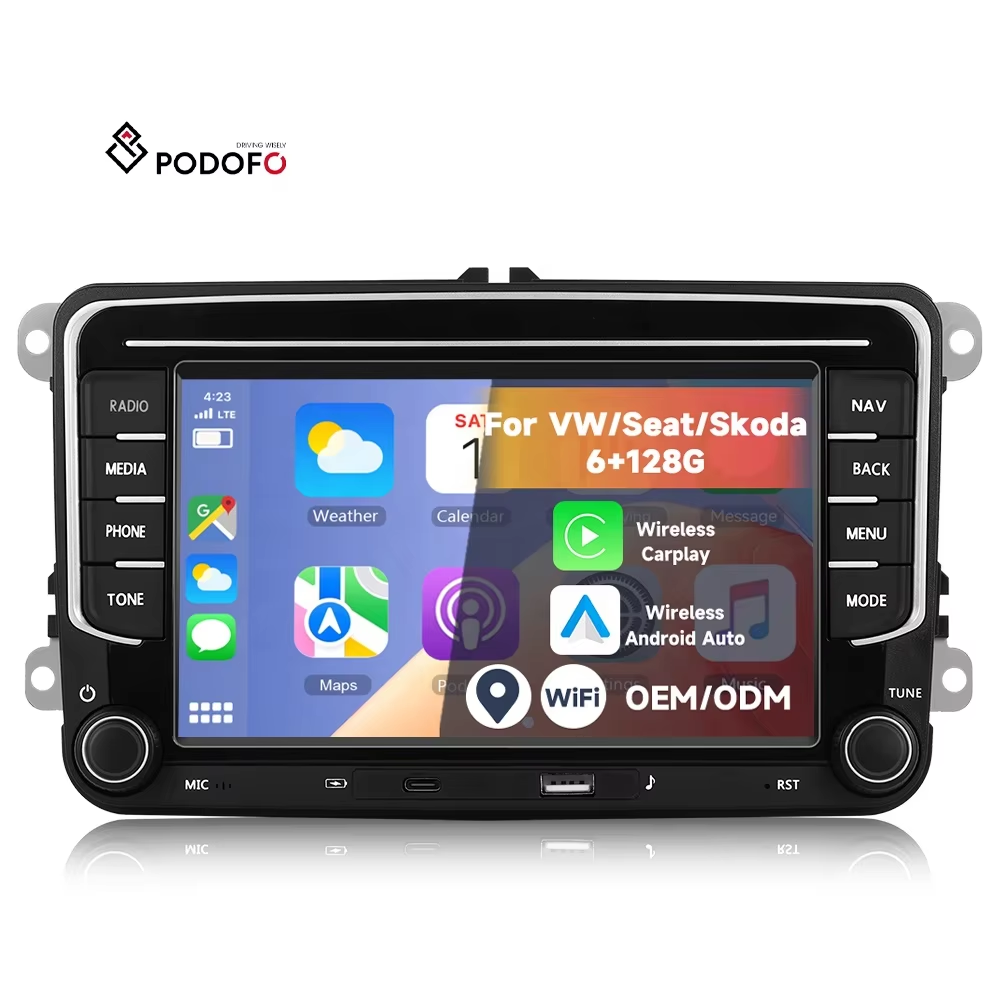
The modern car radio has evolved far beyond its traditional role as a simple AM/FM receiver, transforming into a sophisticated entertainment and connectivity hub that fundamentally enhances the driving experience. Today's car radio systems integrate advanced technologies including smartphone connectivity, navigation capabilities, streaming services, and hands-free communication features that keep drivers informed, entertained, and safely connected while on the road. Understanding how a car radio improves driving entertainment and connectivity reveals why this technology has become an essential component of contemporary vehicles, offering benefits that extend from simple audio playback to comprehensive digital integration that meets the demands of connected lifestyles.
The impact of a quality car radio on daily commutes and long-distance travel cannot be overstated, as it directly influences driver satisfaction, passenger comfort, and overall journey enjoyment. By examining the specific mechanisms through which car radio technology enhances entertainment options and connectivity capabilities, drivers can better appreciate the functional value these systems provide. From reducing driver fatigue through engaging audio content to enabling seamless smartphone integration that keeps important communications accessible without compromising safety, the car radio serves as the central interface between occupants and the digital world beyond the vehicle cabin.
Enhanced Audio Entertainment Through Advanced Sound Processing
Superior Sound Quality and Acoustic Performance
A modern car radio significantly improves driving entertainment through advanced audio processing capabilities that deliver superior sound quality compared to basic factory systems. Digital signal processing technology within contemporary car radio units enables precise equalization, dynamic range control, and acoustic optimization tailored to the specific interior acoustics of different vehicle models. These processing capabilities ensure that music, podcasts, and other audio content maintain clarity and depth regardless of road noise or vehicle speed, creating an immersive listening environment that transforms mundane commutes into enjoyable experiences.
The audio enhancement features found in quality car radio systems include multi-band equalizers that allow users to customize sound profiles according to personal preferences or content type. Whether listening to bass-heavy electronic music, vocal-focused podcasts, or orchestral classical pieces, the car radio adjusts frequency response to optimize playback characteristics. This level of audio control was previously available only in high-end aftermarket systems but has become increasingly accessible in modern car radio units, democratizing premium listening experiences for everyday drivers.
Furthermore, advanced car radio systems incorporate technologies such as time alignment and digital crossovers that coordinate multiple speakers throughout the vehicle cabin to create coherent soundstages. This spatial audio processing ensures that all occupants experience balanced sound regardless of seating position, eliminating the acoustic dead zones common in vehicles with basic audio systems. The result is consistent entertainment quality that maintains engagement throughout entire journeys, reducing driver fatigue and improving overall satisfaction with the driving experience.
Multiple Source Connectivity and Content Access
The entertainment value of a car radio extends well beyond traditional broadcast reception through comprehensive connectivity options that access virtually unlimited content libraries. Modern car radio systems support multiple input sources including Bluetooth streaming, USB connections, auxiliary inputs, and increasingly, wireless casting protocols that enable seamless content transfer from smartphones and other devices. This source flexibility ensures that drivers and passengers can access their personal music libraries, streaming service subscriptions, audiobook collections, and podcast subscriptions without limitation.
Streaming integration represents a particularly significant advancement in car radio entertainment capabilities, as it eliminates the need for physical media or pre-loaded content. Through smartphone connectivity or integrated cellular data connections, car radio systems can access services like Spotify, Apple Music, Amazon Music, and various podcast platforms, providing access to millions of songs and thousands of hours of spoken-word content. This on-demand access transforms the car radio from a passive receiver into an active content delivery system that adapts to user preferences and discoveries in real-time.
The car radio also improves entertainment through intelligent content curation and recommendation features that learn user preferences over time. Many modern systems incorporate voice assistants and algorithmic recommendation engines that suggest new music, create dynamic playlists based on listening history, and even adjust content selection based on factors like time of day or trip duration. These intelligent features reduce the cognitive burden on drivers by minimizing the need for manual content selection while driving, thereby enhancing both entertainment value and safety simultaneously.
Seamless Smartphone Integration for Connected Driving
Hands-Free Communication and Message Management
One of the most significant ways a car radio improves connectivity is through comprehensive hands-free communication capabilities that keep drivers safely connected to their professional and personal networks. Modern car radio systems integrate Bluetooth calling functionality with advanced noise cancellation and echo suppression technologies that ensure clear voice communication even in challenging acoustic environments. This capability allows drivers to maintain important business relationships, coordinate family logistics, and handle urgent matters without the dangerous distraction of handheld phone use.
Beyond basic calling, advanced car radio systems provide intelligent message management that reads incoming text messages aloud through the vehicle's speaker system and enables voice-dictated responses. This functionality ensures that drivers remain aware of important communications without needing to visually engage with their smartphones, maintaining focus on the road while staying connected. The car radio acts as an intermediary that filters and prioritizes communications, often allowing users to configure which contacts or message types warrant immediate notification versus those that can wait until the vehicle is stationary.
The integration of voice assistants through car radio systems further enhances hands-free connectivity by enabling natural language commands for placing calls, sending messages, or initiating other communication tasks. Whether using Siri, Google Assistant, or proprietary vehicle systems, drivers can manage their connectivity needs through conversational interfaces that minimize distraction. This voice-first interaction model represents a fundamental improvement in how car radio technology supports connected lifestyles while maintaining the safety focus essential in automotive environments.
Application Integration and Digital Service Access
Modern car radio systems dramatically improve connectivity through smartphone mirroring technologies like Apple CarPlay and Android Auto that project mobile applications directly onto the vehicle's display interface. This integration extends the functional capabilities of the car radio far beyond traditional audio and navigation functions, enabling access to messaging apps, calendar systems, productivity tools, and specialized automotive applications designed for in-vehicle use. This application ecosystem transforms the car radio into a mobile productivity platform that supports complex workflows and digital lifestyle integration.
The connectivity improvements enabled by car radio application integration extend to specialized services that enhance various aspects of driving. Fuel price comparison apps help drivers locate the most economical refueling options along their route, parking location services provide real-time availability information for urban destinations, and weather applications deliver hyper-local forecasts that inform travel decisions. These contextually relevant services accessed through the car radio interface add practical value that extends beyond entertainment, improving the efficiency and convenience of daily driving activities.
Furthermore, car radio systems increasingly support over-the-air updates that continuously expand functionality and improve performance without requiring physical service appointments. This connectivity feature ensures that the entertainment and communication capabilities of the car radio evolve over the vehicle's ownership period, adding new features, supporting emerging digital services, and maintaining compatibility with evolving smartphone technologies. This future-proofing aspect of connected car radio systems protects the long-term value of the investment while ensuring ongoing relevance in rapidly changing digital ecosystems.
Intelligent Navigation and Real-Time Traffic Information
Integrated GPS Navigation Systems
A quality car radio fundamentally improves driving connectivity through integrated GPS navigation capabilities that provide turn-by-turn guidance without requiring separate devices or smartphone mounting solutions. Built-in navigation systems within car radio units offer larger, more easily visible displays compared to smartphone screens, reducing the visual distraction associated with navigation while providing clearer route information. These integrated systems also maintain functionality in areas with limited cellular coverage, ensuring reliable guidance even when smartphone-dependent navigation apps lose connectivity.
The navigation integration in modern car radio systems extends beyond basic route guidance to include points of interest databases, multi-stop route planning, and alternative route calculations that optimize travel based on various factors including distance, time, and fuel consumption. This comprehensive approach to navigation transforms the car radio into an intelligent travel companion that actively contributes to journey efficiency. The visual and audio guidance provided through the car radio's display and speaker system creates a multimodal information delivery approach that accommodates different driver preferences and attention capabilities.
Advanced car radio navigation systems also incorporate predictive routing features that learn common destinations and travel patterns, automatically suggesting routes for frequent trips or recommending departure time adjustments based on historical traffic patterns. This proactive navigation assistance reduces the cognitive burden on drivers by anticipating needs rather than requiring manual input for familiar journeys. The intelligence embedded in these car radio navigation features represents a significant connectivity improvement that makes driving more intuitive and less stressful, particularly for complex urban environments or unfamiliar destinations.
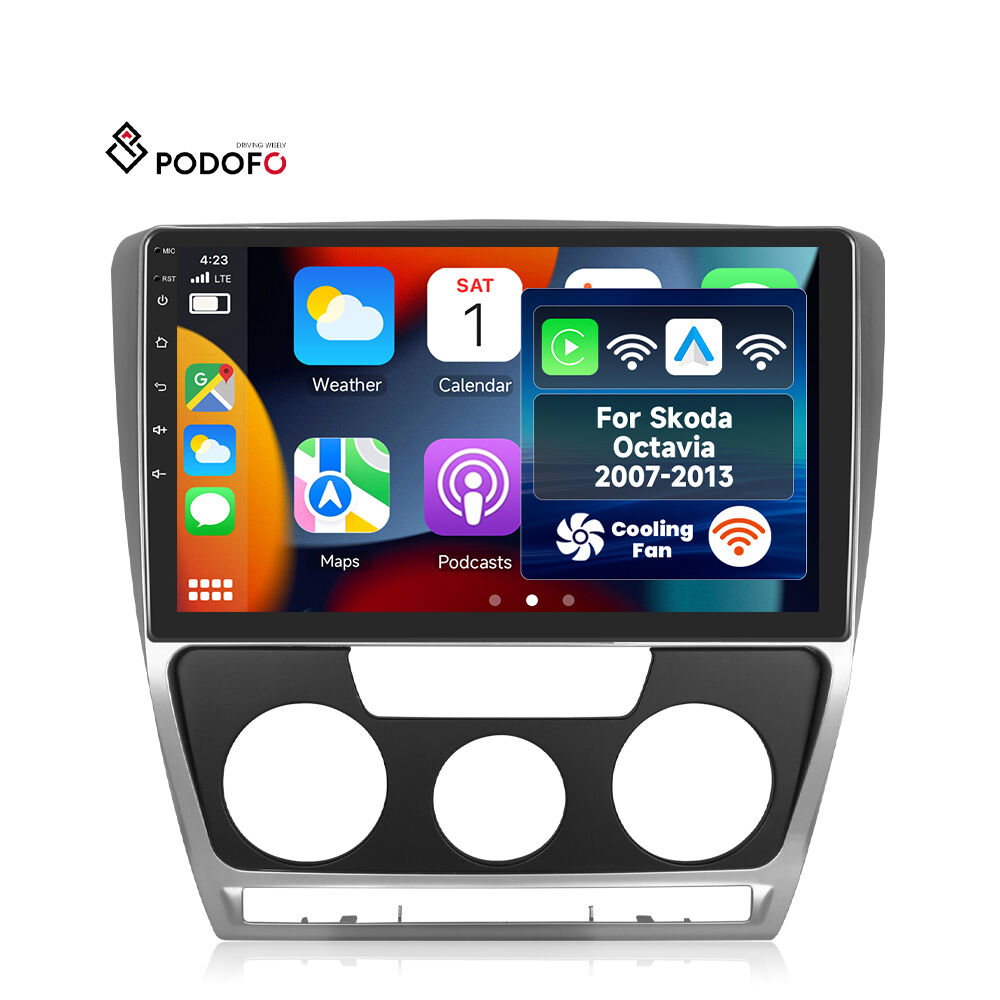
Real-Time Traffic and Road Condition Updates
The connectivity capabilities of modern car radio systems extend to real-time traffic information services that fundamentally change how drivers navigate congested areas and plan efficient routes. By accessing connected traffic data networks through either integrated cellular connections or smartphone tethering, car radio systems receive continuous updates about traffic flow conditions, accidents, road closures, and construction zones along planned routes. This real-time information enables dynamic route recalculation that automatically diverts drivers around delays, saving significant time and reducing the frustration associated with unexpected congestion.
Beyond basic traffic flow data, advanced car radio systems integrate weather information, road hazard alerts, and even predictive analytics that forecast traffic conditions for planned departure times. This comprehensive situational awareness transforms the car radio into a strategic travel planning tool that influences departure timing, route selection, and even destination choices based on current and anticipated conditions. The connectivity that enables these information services represents a dramatic improvement over traditional radio traffic reports, which provided limited geographic coverage and infrequent updates that often arrived too late to influence driver decisions.
The integration of crowd-sourced traffic data within car radio navigation systems further enhances connectivity by creating community-driven information networks where vehicles contribute and benefit from collective intelligence. Systems that incorporate data from millions of connected devices provide remarkably accurate real-time conditions and even predict traffic patterns based on historical trends and current flow dynamics. This networked approach to traffic information represents one of the most tangible ways that car radio connectivity improvements translate into practical driving benefits, directly impacting journey times and route efficiency.
Vehicle System Integration and Control Interfaces
Climate Control and Comfort System Management
Advanced car radio systems improve driving experience through integration with vehicle comfort systems including climate control, seat adjustments, and ambient lighting features. This integration consolidates control interfaces into the central car radio display, reducing dashboard clutter and simplifying access to frequently adjusted settings. By presenting climate, audio, and comfort controls through a unified touchscreen interface, the car radio becomes the central command center for the vehicle's occupant environment, streamlining interactions and improving the user experience.
The connectivity between car radio systems and vehicle climate controls enables sophisticated features like automatic temperature adjustments based on navigation destination climate, synchronized audio volume changes that compensate for fan noise, and even scent dispenser controls in luxury applications. These integrated features demonstrate how the car radio functions as more than an entertainment device, serving instead as the primary human-machine interface for comprehensive vehicle systems. This centralized control approach reduces the learning curve for new vehicles and creates more intuitive interaction patterns that feel familiar to users accustomed to smartphone and tablet interfaces.
Furthermore, car radio integration with comfort systems enables personalized profiles that automatically adjust multiple vehicle settings based on which driver or passenger is detected through smartphone pairing or manual profile selection. These profiles can simultaneously configure audio preferences, climate settings, seat positions, and mirror adjustments, creating customized environments that adapt to individual preferences without requiring manual adjustment of multiple separate systems. This personalization capability, coordinated through the car radio interface, significantly enhances the connectivity and convenience that modern vehicles provide.
Vehicle Diagnostics and Maintenance Alerts
Modern car radio systems increasingly incorporate vehicle diagnostic connectivity that monitors mechanical and electronic system performance, alerting drivers to maintenance needs and potential issues before they become serious problems. By interfacing with the vehicle's onboard diagnostic systems through CANbus or similar protocols, the car radio can display fuel economy data, tire pressure monitoring information, oil life indicators, and various system health metrics. This diagnostic integration transforms the car radio into a vehicle health monitor that keeps drivers informed about their automobile's condition.
The connectivity improvements provided by diagnostic-integrated car radio systems extend to predictive maintenance scheduling that automatically books service appointments when certain thresholds are reached or issues are detected. Some systems connect directly with dealership service departments or authorized repair facilities, transmitting diagnostic codes and vehicle information that enable technicians to prepare for specific repairs before the vehicle arrives. This proactive maintenance approach, facilitated by car radio connectivity, reduces vehicle downtime and prevents minor issues from escalating into major failures that could compromise safety or require expensive repairs.
Additionally, car radio diagnostic integration provides educational value by explaining warning indicators and maintenance recommendations in plain language through the display interface. Rather than requiring drivers to consult owner's manuals or search online for the meaning of dashboard warning lights, the car radio system can provide immediate context and recommended actions. This informational connectivity empowers drivers to make informed decisions about their vehicles and understand the urgency of various alerts, contributing to better maintenance practices and longer vehicle lifespan.
Safety Enhancements Through Connected Features
Driver Assistance System Interfaces
The car radio serves as the primary visual and audio interface for advanced driver assistance systems (ADAS) including blind spot monitoring, lane departure warnings, collision alerts, and parking assistance features. By integrating these safety system notifications into the car radio display and audio output, manufacturers create a unified alert system that drivers can learn to interpret quickly without needing to monitor multiple separate indicators. This consolidated safety interface reduces cognitive load and improves response times to potential hazards, directly contributing to collision avoidance and overall driving safety.
The connectivity between car radio systems and safety technologies enables sophisticated features like visual parking guidance with trajectory prediction, 360-degree camera views during low-speed maneuvering, and even augmented reality navigation overlays that highlight potential hazards in the forward view. These visual safety enhancements, presented through the car radio's display, provide drivers with situational awareness that extends beyond what natural vision alone can provide, particularly in complex urban environments or challenging parking situations. The entertainment and connectivity device thus doubles as a critical safety system that actively contributes to accident prevention.
Furthermore, car radio integration with driver monitoring systems enables fatigue detection and distraction alerts that encourage rest breaks or increased vigilance during long journeys. Some advanced systems can detect patterns of steering input, lane position variation, and even driver eye movement to identify drowsiness or inattention, then deliver alerts through the car radio's audio system. This safety-focused connectivity represents a significant improvement in how vehicle systems protect occupants, using the car radio as the communication channel for potentially life-saving warnings.
Emergency Response and Assistance Services
Modern car radio systems improve safety through integrated emergency response features that automatically contact assistance services in the event of a collision or other critical situation. Systems like GM's OnStar, BMW's Assist, and various third-party solutions use the car radio's cellular connectivity to establish voice communication with emergency operators, transmit vehicle location data, and even relay information about collision severity based on airbag deployment and impact sensors. This automated emergency response capability, facilitated by car radio connectivity, can dramatically reduce response times in situations where drivers are incapacitated or disoriented following an accident.
Beyond automatic crash notification, car radio emergency features include manual assistance buttons that connect drivers with service providers for roadside assistance, medical emergencies, or security concerns. The combination of cellular connectivity, GPS location services, and audio communication capabilities makes the car radio an essential safety device that extends protection beyond the vehicle's physical safety systems. This connectivity improvement provides peace of mind particularly for drivers in remote areas or those traveling with vulnerable passengers who may require rapid access to emergency services.
The safety connectivity provided by car radio systems also extends to stolen vehicle recovery services that use GPS tracking and remote disabling features to assist law enforcement in recovering stolen vehicles. Some systems can remotely limit vehicle speed, prevent restart after the next ignition cycle, or continuously transmit location data to authorities. These security features, coordinated through the car radio's communication systems, add a layer of theft protection that complements physical security measures and may even reduce insurance premiums for equipped vehicles.
FAQ
How does a car radio improve audio quality compared to basic factory systems?
A quality car radio improves audio quality through advanced digital signal processing, multi-band equalization, and acoustic optimization features that enhance clarity and depth across all audio frequencies. Modern car radio units incorporate powerful processors that can adjust sound output based on vehicle interior acoustics, road noise levels, and content type, delivering substantially better listening experiences than basic factory systems. Additional features like time alignment, digital crossovers, and high-resolution audio support further enhance sound quality, creating immersive listening environments that make long drives more enjoyable and reduce fatigue through engaging audio content.
Can a car radio provide navigation without requiring a smartphone connection?
Yes, many modern car radio systems include integrated GPS navigation capabilities with onboard map databases that function independently of smartphone connections. These standalone navigation systems provide turn-by-turn guidance, points of interest databases, and route planning features without requiring cellular data or smartphone tethering. However, smartphone-connected systems often offer advantages including more frequent map updates, real-time traffic information, and integration with personal calendar and contact data. The choice between integrated and smartphone-dependent navigation depends on individual preferences regarding update frequency, data usage, and desired feature sets, though both approaches significantly improve driving connectivity compared to no navigation system at all.
What connectivity features should drivers prioritize when selecting a car radio?
Essential connectivity features to prioritize when selecting a car radio include Bluetooth for hands-free calling and audio streaming, smartphone integration platforms like Apple CarPlay or Android Auto for application access, and USB connectivity for device charging and wired connections. Additional valuable features include integrated navigation with real-time traffic updates, voice assistant compatibility for hands-free control, and multiple audio source inputs for flexibility. For vehicles that will be owned long-term, prioritizing systems with over-the-air update capabilities ensures continued compatibility with evolving smartphone technologies and emerging digital services, protecting the investment's long-term value and maintaining relevant functionality throughout the ownership period.
How does car radio integration with vehicle systems enhance the overall driving experience?
Car radio integration with vehicle systems creates a unified control interface that simplifies access to climate controls, comfort settings, diagnostic information, and safety features through a single touchscreen display. This integration reduces dashboard clutter, streamlines user interactions, and enables sophisticated features like personalized driver profiles that automatically adjust multiple vehicle settings simultaneously. The diagnostic connectivity provided by integrated car radio systems keeps drivers informed about vehicle health, maintenance needs, and system performance, while safety system integration presents critical alerts and assistance features through familiar interfaces. This comprehensive integration transforms the car radio from a simple entertainment device into the central command center for the entire vehicle environment, significantly improving convenience, usability, and overall satisfaction with the driving experience.
Table of Contents
- Enhanced Audio Entertainment Through Advanced Sound Processing
- Seamless Smartphone Integration for Connected Driving
- Intelligent Navigation and Real-Time Traffic Information
- Vehicle System Integration and Control Interfaces
- Safety Enhancements Through Connected Features
-
FAQ
- How does a car radio improve audio quality compared to basic factory systems?
- Can a car radio provide navigation without requiring a smartphone connection?
- What connectivity features should drivers prioritize when selecting a car radio?
- How does car radio integration with vehicle systems enhance the overall driving experience?