EN
EN



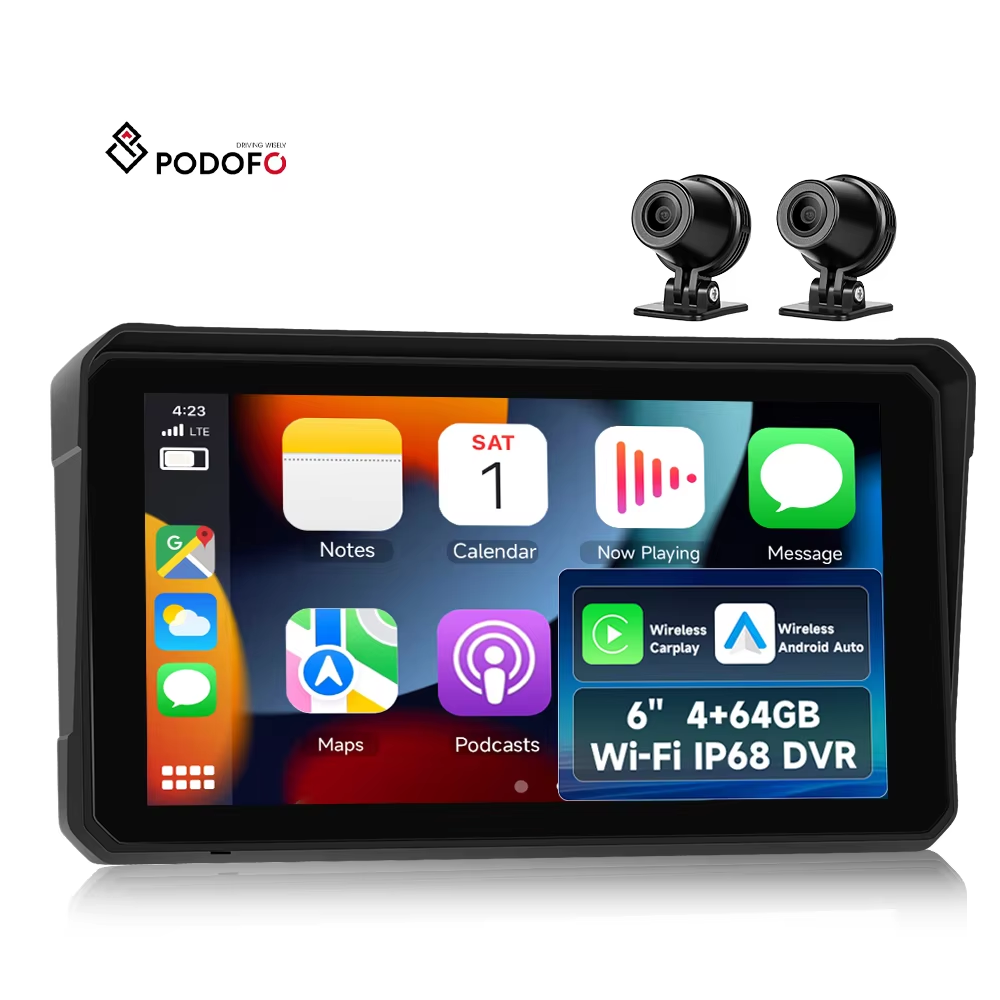
The integration of a CarPlay screen into traditional car multimedia systems represents a fundamental shift in automotive technology, transforming how drivers interact with their vehicle's entertainment and navigation features. This revolutionary upgrade bridges the gap between smartphone functionality and in-car entertainment, creating a seamless digital ecosystem that enhances both safety and convenience for modern drivers.
Understanding how a CarPlay screen works requires examining the technical mechanisms and user interface transformations that occur when this technology replaces or upgrades conventional car stereo systems. The transformation process involves multiple layers of integration, from hardware connectivity to software interface redesign, ultimately creating an entirely new multimedia experience that prioritizes intuitive operation and enhanced functionality.
Hardware Integration and Connectivity Transformation
Physical Interface Evolution
The installation of a CarPlay screen fundamentally changes the physical interface of traditional car multimedia systems by replacing analog controls with digital touchscreen functionality. This transformation eliminates the need for multiple physical buttons, knobs, and displays that characterize older car stereo systems. The CarPlay screen serves as a centralized control hub, consolidating audio controls, navigation displays, and communication interfaces into a single, responsive touchscreen unit.
Traditional car multimedia systems typically feature separate components for radio tuning, CD playback, and basic audio adjustment, requiring drivers to navigate multiple physical controls. A CarPlay screen streamlines this experience by presenting all multimedia functions through an intuitive graphical interface that mirrors smartphone usability patterns. The physical transformation extends beyond mere aesthetics, as the screen's placement and size often require dashboard modifications that modernize the entire interior appearance.
The connectivity transformation involves replacing traditional auxiliary inputs and USB ports with advanced wireless and wired connection capabilities. Modern CarPlay screen systems support both Lightning cable connections and wireless protocols, enabling seamless device integration without the cable management issues common in older multimedia setups.
Power and Signal Processing Upgrades
The integration process requires significant upgrades to the vehicle's power management and signal processing capabilities, as a CarPlay screen demands more electrical resources than traditional radio systems. This transformation involves installing enhanced power supplies that can support the screen's display requirements, processing units, and wireless communication modules simultaneously. The electrical system modifications ensure stable operation while maintaining compatibility with the vehicle's existing charging and electrical infrastructure.
Signal processing transformation occurs through the installation of dedicated processors that can handle multiple data streams simultaneously, including audio signals, video displays, navigation data, and communication protocols. Traditional car multimedia systems process relatively simple audio signals, while a CarPlay screen must manage complex digital information flows that include real-time navigation updates, streaming audio, phone calls, and application data synchronization.
The transformation also includes advanced digital-to-analog conversion capabilities that ensure high-quality audio output through existing speaker systems. This processing upgrade maintains or improves audio fidelity while adding the capability to handle digital audio formats and streaming services that traditional systems cannot access.
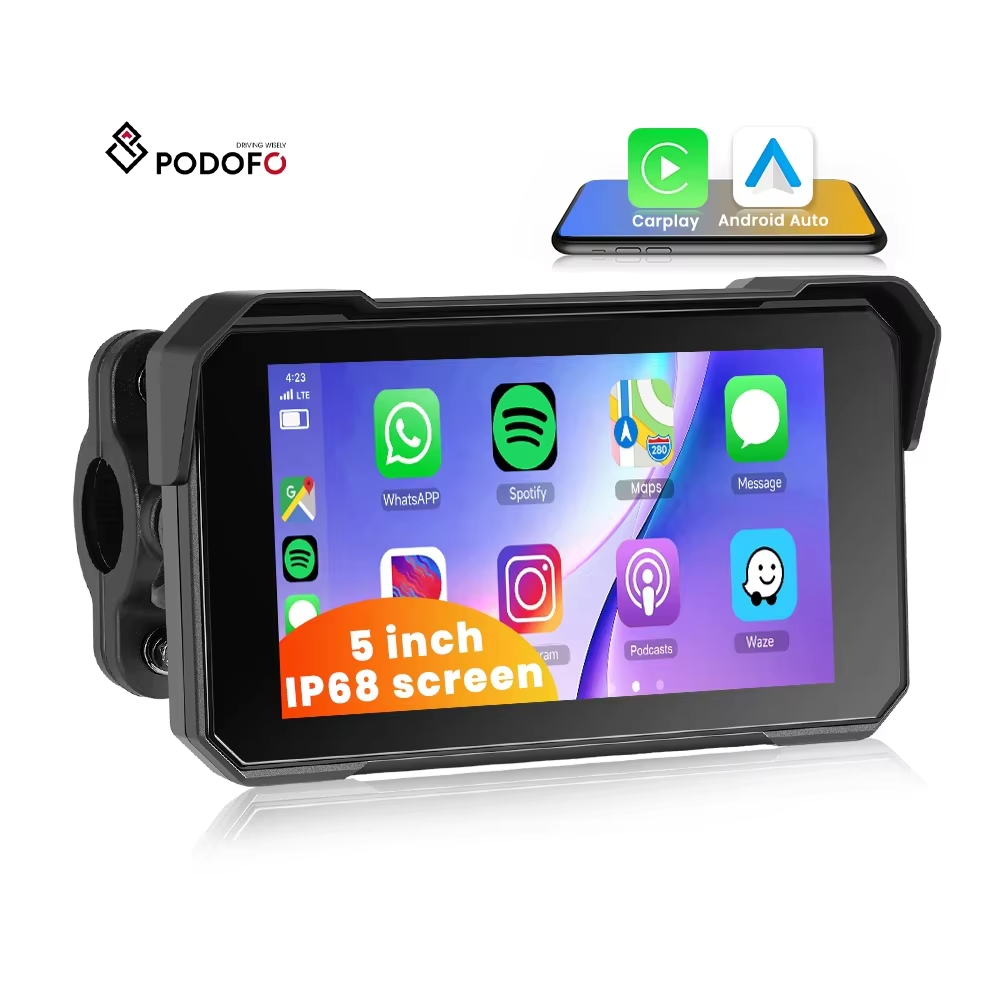
User Interface and Experience Revolution
Navigation System Enhancement
The transformation of navigation functionality represents one of the most significant improvements when a CarPlay screen replaces traditional multimedia systems. While older car navigation systems rely on outdated maps and cumbersome menu structures, CarPlay screen integration provides access to real-time mapping services with current traffic information, road closures, and dynamic route optimization. This transformation eliminates the need for separate GPS devices or smartphone mounts, as navigation becomes fully integrated into the dashboard display.
Traditional navigation systems require manual updates and often lack the comprehensive point-of-interest databases available through modern mapping applications. A CarPlay screen transforms this experience by providing access to continuously updated map data, user-generated reviews, and intelligent destination suggestions based on personal preferences and historical travel patterns. The interface transformation includes voice-guided navigation with natural language processing, allowing drivers to request directions using conversational commands rather than precise menu navigation.
The visual presentation transformation includes high-resolution mapping displays with 3D terrain visualization, satellite imagery options, and customizable display preferences that adapt to different driving conditions and personal preferences. This represents a dramatic improvement over the basic 2D map displays common in traditional car navigation systems.
Communication and Entertainment Integration
Communication functionality transformation through CarPlay screen integration extends far beyond the basic hands-free calling capabilities of traditional car multimedia systems. The new interface enables full text message management with voice dictation and audio playback, eliminating the safety concerns associated with manual phone operation while driving. This transformation includes intelligent message filtering and priority notifications that help drivers stay connected without compromising road safety.
Entertainment transformation involves replacing limited radio and CD playback options with access to streaming music services, podcast platforms, and audiobook libraries. A CarPlay screen provides seamless access to personal music libraries stored on connected devices, as well as subscription-based streaming services that offer millions of songs and personalized recommendations. This transformation eliminates the need to carry physical media or rely solely on terrestrial radio programming.
The interface transformation includes intelligent audio source switching that automatically prioritizes navigation announcements, incoming calls, and emergency alerts while maintaining background entertainment playback. This sophisticated audio management represents a significant advancement over traditional systems that often require manual source selection and volume adjustment for different audio types.
System Integration and Compatibility Features
Vehicle System Coordination
The transformation process includes integration with existing vehicle systems, enabling the CarPlay screen to access and display information from the car's onboard diagnostic systems, climate controls, and safety features. This integration allows drivers to monitor fuel efficiency, maintenance schedules, and vehicle performance data through the same interface used for entertainment and navigation functions. Traditional multimedia systems lack this level of vehicle integration, operating as isolated entertainment units without access to broader vehicle information.
Advanced CarPlay screen installations can coordinate with parking assistance systems, backup cameras, and collision avoidance technologies, presenting safety information through the main display interface. This transformation creates a comprehensive driver information system that consolidates critical vehicle data, entertainment controls, and safety alerts into a single, easily accessible display. The integration extends to steering wheel controls, allowing drivers to operate CarPlay screen functions without removing hands from the steering wheel.
Climate control integration transforms the traditional separation between entertainment and comfort systems, enabling drivers to adjust temperature, fan speed, and air distribution through the CarPlay screen interface. This consolidation reduces dashboard complexity while providing more precise control over vehicle environment settings through intuitive touchscreen controls.
Multi-Device and Cross-Platform Support
Modern CarPlay screen systems transform traditional single-device connectivity by supporting multiple smartphones simultaneously, enabling passenger entertainment and driver functionality without interference. This transformation includes intelligent device prioritization that maintains driver access to navigation and communication features while allowing passengers to stream entertainment content through secondary connections. Traditional car multimedia systems typically support only one device connection, limiting passenger entertainment options.
The transformation includes cross-platform compatibility that supports both iOS and Android devices through CarPlay and Android Auto protocols, eliminating the device-specific limitations common in older car multimedia systems. This universal compatibility ensures that the CarPlay screen can adapt to different user preferences and device ecosystems without requiring separate hardware installations or interface modifications.
Memory and preference transformation enables the CarPlay screen to store multiple user profiles, automatically adjusting display preferences, audio settings, and frequently accessed applications based on the connected device. This personalization capability represents a significant advancement over traditional systems that offer limited customization options and no user-specific memory functions.
Installation Process and Technical Considerations
Retrofitting Traditional Systems
The transformation of traditional car multimedia systems through CarPlay screen installation requires careful assessment of existing electrical infrastructure, dashboard configuration, and speaker system compatibility. Professional installation typically involves removing factory-installed stereo components and modifying dashboard openings to accommodate the new screen dimensions and mounting requirements. This transformation process must preserve essential vehicle functions while integrating advanced multimedia capabilities seamlessly.
Wiring harness adaptation represents a critical aspect of the transformation, as CarPlay screen systems require connections to power supplies, antenna systems, steering wheel controls, and existing speaker networks. Professional installers use vehicle-specific adapter harnesses that maintain factory warranty coverage while enabling full CarPlay screen functionality. The transformation includes preserving factory amplifier systems and premium audio features when present in the original multimedia setup.
Dashboard modification requirements vary depending on the specific vehicle model and chosen CarPlay screen size, with some installations requiring custom mounting brackets or trim panel adjustments. The transformation process prioritizes maintaining the factory appearance while maximizing screen size and functionality, often resulting in a more modern and sophisticated dashboard appearance than the original configuration.
Performance Optimization and Calibration
Audio calibration transformation ensures that the CarPlay screen delivers optimal sound quality through existing speaker systems, requiring professional tuning that accounts for vehicle acoustics, speaker placement, and ambient noise levels. This calibration process includes equalizer adjustment, time delay compensation, and crossover frequency optimization that maximizes audio fidelity across different music genres and audio content types. Traditional car stereo systems often lack these advanced audio processing capabilities.
Display calibration involves adjusting screen brightness, contrast, and color temperature to ensure optimal visibility under various lighting conditions, from bright sunlight to nighttime driving. The transformation includes automatic brightness adjustment features that adapt to ambient light levels, reducing eye strain and maintaining display readability throughout different driving conditions. This represents a significant improvement over traditional fixed-brightness displays common in older multimedia systems.
Performance optimization includes network connectivity fine-tuning that ensures stable wireless connections for streaming services, navigation updates, and device synchronization. Professional calibration addresses potential interference from vehicle electrical systems and optimizes antenna placement for maximum signal strength and connection reliability.
FAQ
Can I install a CarPlay screen in any vehicle with a traditional multimedia system?
Most vehicles manufactured after 2000 can accommodate CarPlay screen installation, though compatibility depends on available dashboard space, electrical system capacity, and existing wiring infrastructure. Professional assessment is recommended to determine specific installation requirements and ensure proper integration with vehicle systems. Some luxury vehicles with integrated multimedia systems may require specialized adapters or professional modification to maintain factory features while adding CarPlay screen functionality.
Will installing a CarPlay screen affect my vehicle's warranty or resale value?
Professional CarPlay screen installation using vehicle-specific wiring harnesses typically preserves factory warranty coverage and can actually increase resale value by adding modern connectivity features. However, improper installation or dashboard modifications may affect warranty coverage, making professional installation essential. Most buyers view CarPlay screen capability as a desirable feature that enhances vehicle appeal and functionality, particularly in older vehicles lacking modern connectivity options.
How does a CarPlay screen handle phone calls compared to traditional Bluetooth systems?
CarPlay screen systems provide superior call management through visual contact displays, call history access, and integrated messaging capabilities that surpass traditional Bluetooth-only systems. The transformation includes noise cancellation technology, multiple microphone arrays, and advanced audio processing that delivers clearer call quality and more reliable connection stability. Visual caller identification and call management controls through the screen interface offer significantly more functionality than basic Bluetooth integration common in traditional car multimedia systems.
What happens to my existing satellite radio or premium audio features when installing a CarPlay screen?
Professional CarPlay screen installation typically preserves existing satellite radio subscriptions and premium audio features through appropriate adapter modules and system integration. The transformation often enhances these features by providing better display interfaces and additional control options through the screen interface. Factory amplifiers, subwoofers, and premium speaker systems remain functional while gaining additional connectivity options and audio source flexibility through the new CarPlay screen system.
Table of Contents
- Hardware Integration and Connectivity Transformation
- User Interface and Experience Revolution
- System Integration and Compatibility Features
- Installation Process and Technical Considerations
-
FAQ
- Can I install a CarPlay screen in any vehicle with a traditional multimedia system?
- Will installing a CarPlay screen affect my vehicle's warranty or resale value?
- How does a CarPlay screen handle phone calls compared to traditional Bluetooth systems?
- What happens to my existing satellite radio or premium audio features when installing a CarPlay screen?