EN
EN



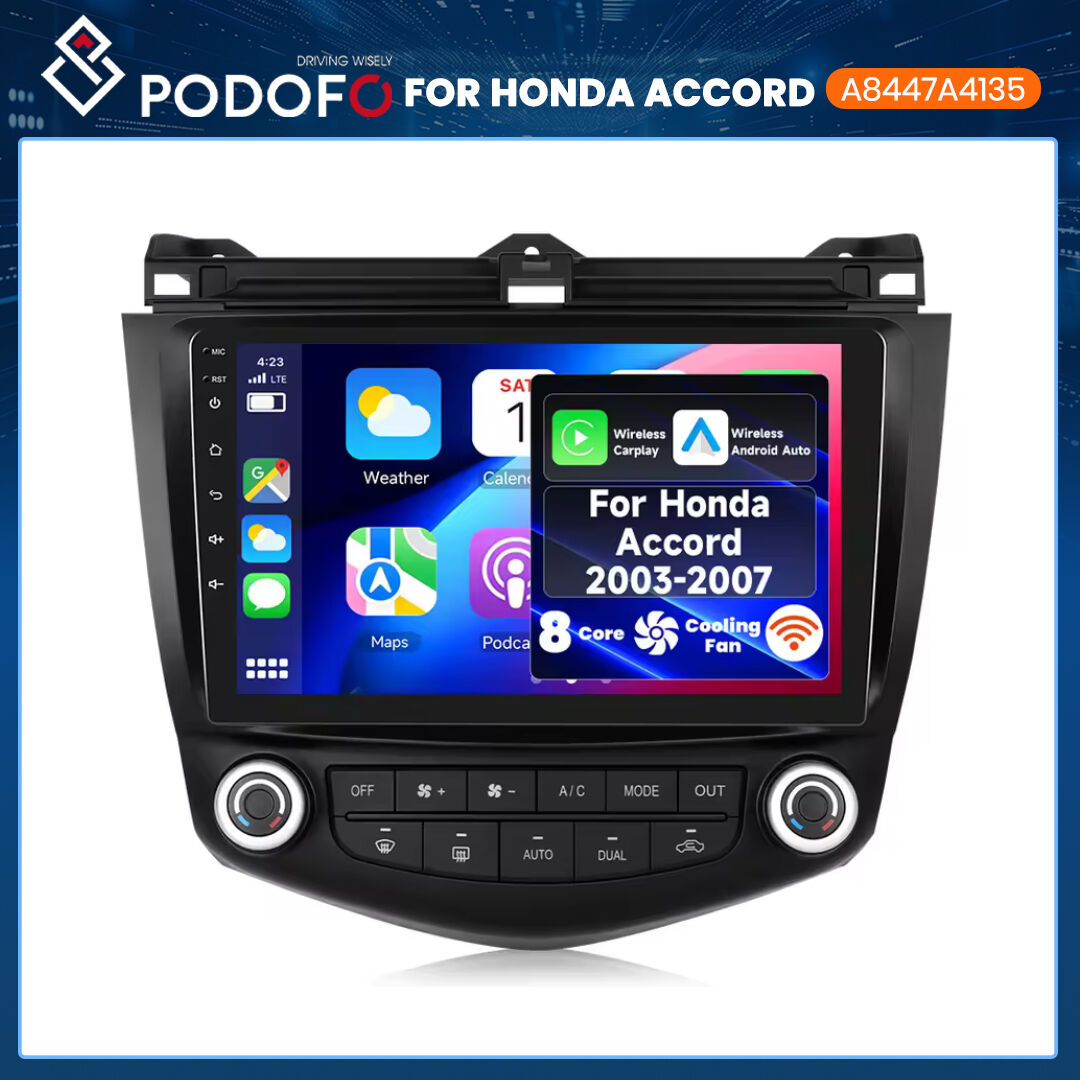
The autoradio has come a long way from its origins as a simple AM receiver mounted beneath a dashboard. Today, the autoradio sits at the center of the connected vehicle experience, integrating digital platforms, wireless protocols, and intelligent interfaces that redefine how drivers interact with their cars. As consumer expectations rise and vehicle technology advances, the autoradio continues to evolve at a remarkable pace, blending entertainment, navigation, and communication into a single cohesive unit.
Understanding how the autoradio is evolving requires looking at three key dimensions: the shift from analog to digital signal delivery, the integration of smart connectivity features, and the emergence of AI-assisted and portable form factors. Each of these dimensions reflects broader trends in automotive technology and consumer electronics. This article explores those dimensions in depth to help buyers, fleet managers, and automotive enthusiasts make informed decisions about modern autoradio systems.
The Shift from Analog to Digital in Autoradio Systems
From FM Bands to Digital Audio Broadcasting
The traditional autoradio relied almost entirely on FM and AM frequency bands for audio delivery. While FM remains widely used, digital audio broadcasting has introduced clearer signal quality, richer metadata displays, and more stable reception across varying terrains. A modern autoradio can receive DAB or DAB+ signals, which eliminates the static and frequency drift that plagued older analog models. This shift has made long-distance and urban driving significantly more pleasant for listeners.
Digital signal processing within the autoradio has also improved audio clarity through built-in equalizers, noise cancellation algorithms, and dynamic range compression. These features, once reserved for high-end home audio systems, are now standard in many mid-range autoradio units. The result is a more refined listening experience that responds intelligently to cabin acoustics and road noise without requiring manual adjustments from the driver.
FM Transmission and Hybrid Connectivity
Even as digital delivery matures, FM transmission remains a relevant feature in the autoradio landscape. Portable autoradio devices often use FM transmitters to broadcast audio from smartphones or media players through a vehicle's existing speaker system. This approach allows users to upgrade their in-car audio experience without replacing factory-installed components. The autoradio segment that combines FM transmission with wireless streaming represents a growing niche that serves both older and newer vehicle models effectively.
Smart Connectivity Features Transforming the Autoradio
Wireless CarPlay, Android Auto, and Mirror Cast
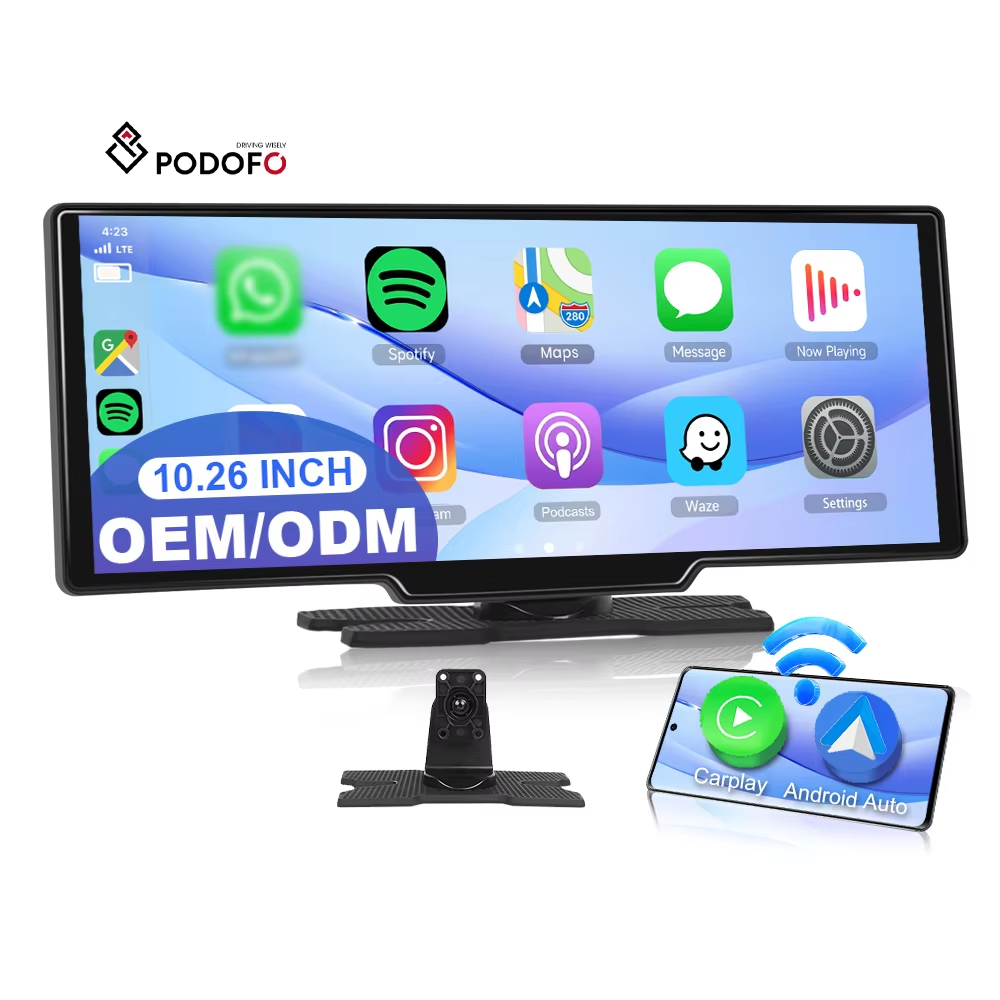
One of the most significant transformations in autoradio technology is the adoption of wireless smartphone integration standards. Wireless CarPlay and Android Auto allow drivers to project their phone interface directly onto the autoradio screen without needing a cable connection. This creates a seamless bridge between the smartphone ecosystem and the vehicle environment, enabling hands-free navigation, voice-controlled messaging, and music streaming from a familiar interface. The autoradio effectively becomes an extension of the driver's mobile device.
Mirror cast and AirPlay functions further expand this capability by allowing any compatible device to mirror its display onto the autoradio screen. This is particularly useful for passengers who want to stream video content or share navigation maps during longer journeys. As wireless protocols such as Wi-Fi 5 and Bluetooth 5.0 become standard in autoradio hardware, lag times and connection drops have decreased significantly, making the experience more reliable than early wired integrations.
Bluetooth and Voice Control Integration
Bluetooth connectivity has been a feature of the autoradio for over a decade, but its role has expanded considerably. Early autoradio Bluetooth was limited to hands-free calling and basic audio streaming. Modern implementations include multi-device pairing, advanced audio codecs such as aptX and AAC, and deep integration with voice assistants like Siri, Google Assistant, and Alexa. These voice control systems allow drivers to interact with the autoradio entirely without taking their eyes off the road.
Voice-activated autoradio controls have moved beyond simple commands like 'play music' or 'call home.' Today's systems can handle complex contextual requests, adjust audio settings based on ambient noise levels, and even suggest content based on driving patterns or time of day. This level of intelligence transforms the autoradio from a passive device into an active in-cabin assistant that adapts to the driver's habits and preferences.
Portable and Modular Autoradio Formats
The Rise of Portable Autoradio Devices
Not every vehicle owner wants to undertake a full head unit replacement to access modern autoradio features. This has driven strong demand for portable autoradio formats that attach to dashboards, windshields, or air vents and connect to the existing audio system via Bluetooth or FM transmission. These compact autoradio devices deliver touchscreen interfaces, wireless smartphone mirroring, and navigation capabilities without requiring professional installation. They are especially popular in commercial fleets, older vehicles, and shared mobility contexts.
Portable autoradio units have also benefited from improvements in display technology. Higher resolution screens, anti-glare coatings, and improved brightness levels make the portable autoradio easier to read in direct sunlight. Capacitive touchscreens that respond accurately to gloved hands or at various angles are now common, addressing one of the most frequently cited limitations of earlier portable autoradio designs. These improvements make the portable autoradio a practical choice across a wide range of driving environments.
Android-Based Autoradio Systems and App Ecosystems
Android-based autoradio systems represent another evolution in how drivers access content and services on the road. By running a full Android operating system, these autoradio units support downloadable apps from streaming services, navigation platforms, and productivity tools. This open ecosystem allows users to customize their autoradio experience in ways that closed proprietary systems cannot match. Fleet operators, for example, can deploy custom autoradio applications for route management, driver logging, or vehicle diagnostics.
The integration of Android Auto within a native Android autoradio system creates a layered experience where drivers can choose between the full Android interface or the simplified Android Auto overlay depending on their comfort level. This flexibility is particularly valuable for businesses that want to standardize autoradio hardware across diverse vehicle types while still accommodating different driver preferences and technical skill levels.
FAQ
What makes a modern autoradio different from a traditional car radio?
A modern autoradio integrates digital audio reception, wireless smartphone connectivity, touchscreen interfaces, and voice control features. A traditional car radio was limited to FM and AM signal reception with basic physical controls. The autoradio today functions as a full in-vehicle infotainment hub rather than just an audio receiver.
Can a portable autoradio work in any vehicle?
Yes, a portable autoradio is designed for universal compatibility. It connects to the vehicle's speaker system via Bluetooth or FM transmission, meaning it does not require a specific head unit or wiring harness. This makes the portable autoradio suitable for cars, vans, trucks, and even older vehicles that lack modern infotainment systems.
Is wireless CarPlay available on all autoradio units?
Not all autoradio units support wireless CarPlay. Wireless CarPlay requires specific hardware chipsets and firmware certification from Apple. When evaluating an autoradio for this feature, buyers should confirm that the unit carries official wireless CarPlay certification rather than relying solely on product descriptions. Wired CarPlay remains more widely supported across a broader range of autoradio models.