EN



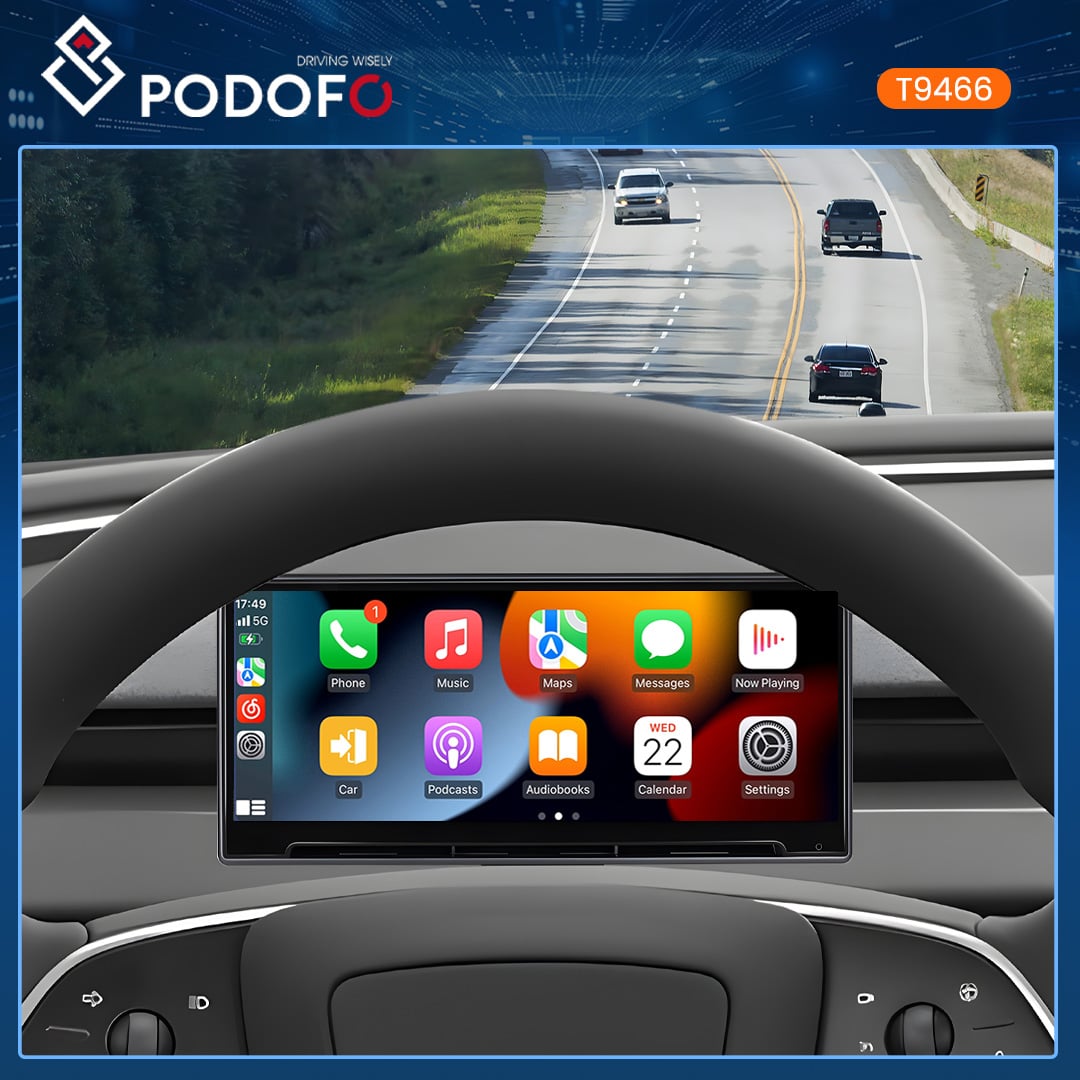
Older vehicles lack the modern connectivity features that newer cars provide, leaving drivers disconnected from their smartphones and digital ecosystems. Adding carplay to older vehicles transforms the driving experience by bridging this gap, enabling seamless smartphone integration without requiring a complete vehicle replacement. This solution appeals to budget-conscious drivers who want modern technology without purchasing a new car, and it delivers measurable improvements in navigation, entertainment, and vehicle safety.
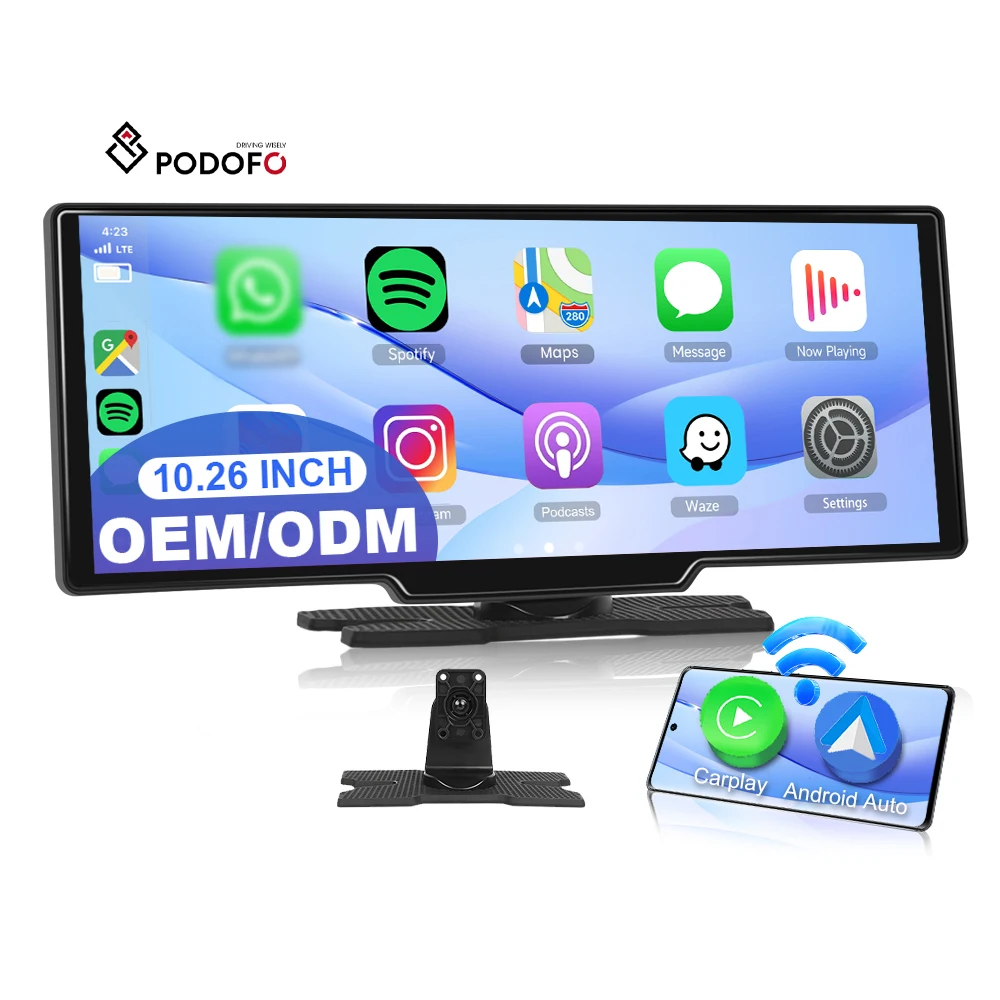
The aftermarket carplay ecosystem has matured significantly, offering reliable solutions that integrate with existing factory sound systems and dashboards. Whether you drive a vehicle from the 2000s, 2010s, or early 2020s, adding carplay is now an accessible upgrade that improves daily usability, reduces distraction, and keeps your vehicle competitive with modern automotive standards.
Enhanced Navigation and Real-Time Traffic Updates
Seamless GPS Integration Through CarPlay
Adding carplay to older vehicles provides access to premium navigation apps like Google Maps, Waze, and Apple Maps directly from your smartphone. Unlike factory navigation systems in older cars, which often use outdated mapping data and lack real-time traffic awareness, carplay delivers live traffic updates, dynamic route optimization, and voice-guided turn-by-turn directions. This means you spend less time stuck in congestion and more time reaching your destination efficiently.
The carplay experience adapts to changing road conditions in real time, suggesting alternative routes when accidents or heavy traffic emerge. Older vehicle GPS systems cannot match this capability because they rely on periodic software updates that may not be available or compatible. Adding carplay essentially gives your older car the navigation intelligence of a brand-new luxury vehicle, without the six-figure price tag.
Voice Control and Hands-Free Safety
Safety regulators have emphasized hands-free interaction while driving, and carplay answers this need directly. When you add carplay to older vehicles, you gain Siri voice control functionality that lets you initiate navigation, make calls, send messages, and control music without touching your phone. This reduces cognitive and manual distraction, helping you maintain focus on the road.
Older vehicles rarely included voice control systems, forcing drivers to manually interact with phones at traffic lights or during driving. Adding carplay to older vehicles eliminates this safety risk by keeping your hands on the wheel and eyes on the road while accessing all navigation and communication features through voice commands.
Smartphone Integration and Entertainment Control
Unified Access to Music, Podcasts, and Calls
Adding carplay to older vehicles consolidates all your mobile entertainment into a single car interface. Instead of fumbling with Bluetooth pairing, auxiliary cables, or phone docks, carplay mirrors your smartphone's music, podcast, and audiobook apps directly to your car's display. Services like Apple Music, Spotify, Pandora, and podcast apps become immediately accessible through the carplay interface.
Older vehicle audio systems typically support only basic Bluetooth audio or require physical cable connections, which degrade sound quality and limit functionality. Adding carplay to older vehicles grants you full control over streaming apps, the ability to create custom playlists, and seamless audio quality without latency or dropout issues. Your commute becomes more enjoyable, and longer road trips feel less tedious.
Messaging and Call Management Without Distraction
Carplay enables you to receive and respond to text messages through Siri dictation, eliminating the need to glance at your phone. When you add carplay to older vehicles, incoming calls appear on the car's display with one-tap answering, caller identification, and call history. This feature is especially valuable for sales professionals, service technicians, and anyone who relies on constant mobile communication.
Older cars lack any integration between phone systems and the vehicle, meaning drivers must reach for their phones to manage calls or messages. Adding carplay to older vehicles solves this completely by creating a unified communication hub that prioritizes safety and convenience.
Extended Vehicle Lifespan and Cost-Effective Modernization
Avoiding Costly Vehicle Replacement
New vehicles cost significantly more than aftermarket upgrades, and many drivers question whether purchasing a new car is worth the expense when their current vehicle still runs reliably. Adding carplay to older vehicles extends your car's usability for several more years without major mechanical investment. For owners with paid-off vehicles or those recovering from economic stress, this represents a rational financial choice.
Carplay upgrades typically cost between $150 and $800 depending on the installation complexity and the specific carplay unit chosen. This investment is minimal compared to a $25,000 to $40,000 vehicle purchase, making carplay an attractive way to modernize without breaking your budget. Owners who maintain their vehicles properly often find that adding carplay to older vehicles extends the vehicle's value and marketability when eventually selling or trading in.
Compatibility with Existing Factory Systems
Modern aftermarket carplay solutions integrate seamlessly with most factory car stereos and dashboard layouts, preserving the original aesthetic while adding digital capability. Adding carplay to older vehicles does not require removing factory equipment or compromising the vehicle's original design. Installation typically involves plugging the carplay unit into the existing power supply and connecting it to the factory head unit, making it an accessible DIY or professional installation option.
This compatibility is crucial for drivers who prefer to maintain their vehicle's original condition or who lease vehicles and cannot make permanent modifications. Adding carplay to older vehicles through portable or dashboard-mounted units allows complete flexibility without void of warranty concerns or complex electrical work.
FAQ
Does adding carplay to older vehicles require professional installation?
Most aftermarket carplay solutions can be installed by the vehicle owner, though professional installation services are available if you prefer expert hands. Some carplay units are designed as portable devices that mount on the dashboard or windshield, requiring only power and Bluetooth setup. Others integrate with factory stereos and may benefit from professional installation to ensure proper wiring and functionality. The complexity depends on which carplay model you choose and your comfort level with basic car electronics.
Will adding carplay to older vehicles work with Android phones?
Traditional carplay is designed exclusively for iPhones and iPad devices, but many aftermarket carplay systems also include Android Auto, which provides equivalent functionality for Android users. When shopping for solutions to add carplay to older vehicles, look for models that support both ecosystems if you use Android. This dual compatibility ensures that all passengers with either phone type can benefit from the upgrade regardless of their device preference.
What is the difference between wired and wireless carplay?
Wired carplay requires plugging your iPhone into a USB port on the carplay unit, providing the most stable connection and reliable performance. Wireless carplay eliminates the cable, allowing your phone to connect via Bluetooth and Wi-Fi, offering greater convenience and reducing wear on charging ports. When adding carplay to older vehicles, wireless options provide a cleaner installation and seamless experience, though some drivers prefer wired connections for guaranteed stability during long drives or in areas with weak wireless signals.