EN



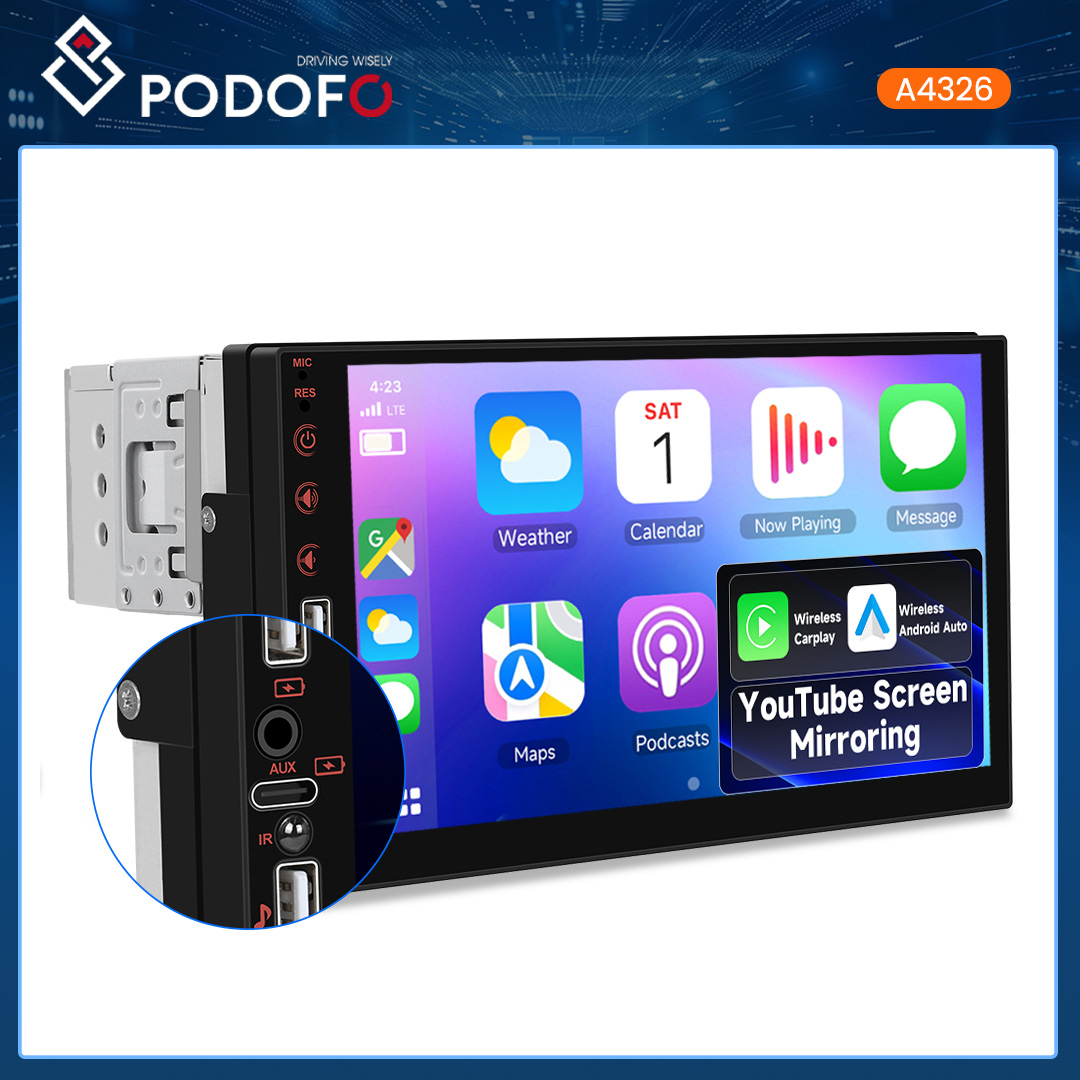
The automotive industry is experiencing a significant shift toward integrated smartphone connectivity, and carplay stands at the center of this transformation. Modern drivers expect seamless integration between their mobile devices and vehicle infotainment systems, making carplay a critical feature in today's competitive automotive market. This demand reflects deeper changes in consumer behavior, safety priorities, and technological expectations that manufacturers and aftermarket suppliers cannot ignore.
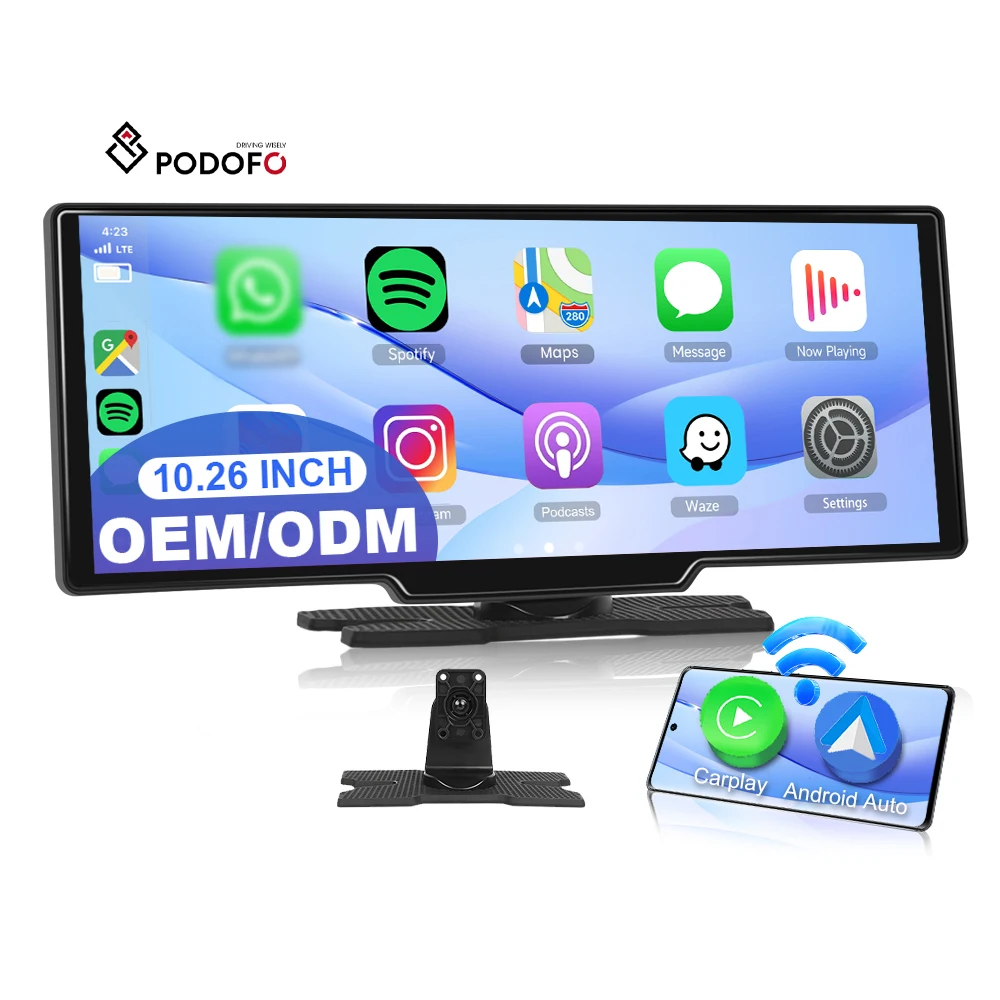
Carplay has become more than a convenience feature—it represents a fundamental expectation for vehicle owners who spend considerable time behind the wheel. The adoption of carplay technologies across the automotive ecosystem demonstrates how consumer preferences now shape product development and market strategy. Understanding why carplay solutions command such strong demand requires examining the factors that drive this market growth and the benefits that motivate both consumers and manufacturers.
Driver Preferences and Connectivity Expectations
Smartphone Integration as Standard Practice
Today's drivers view smartphone integration not as a luxury but as a standard feature they expect in every vehicle. Carplay solutions fulfill this expectation by creating a familiar interface that mirrors the user experience drivers already know from their personal devices. When consumers spend hours commuting, traveling for business, or managing daily errands, having carplay functionality transforms the driving experience into an extension of their digital lifestyle. This expectation has become so normalized that vehicles lacking carplay integration face a competitive disadvantage in the market.
The rise of remote work and mobile-first lifestyles has amplified demand for carplay integration. Drivers need to access navigation, messaging, music streaming, and communication tools instantly without fumbling with physical controls or diverting their attention from the road. Carplay addresses this need by providing voice-controlled access to critical functions, allowing drivers to maintain focus on driving while managing their digital responsibilities. This alignment between driver behavior and carplay capabilities explains why the feature has transitioned from optional to essential.
Unified Experience Across Devices
Carplay delivers a unified ecosystem where drivers can access their favorite applications through consistent, intuitive interfaces. Whether a driver uses their carplay system daily or occasionally, the interface remains predictable and easy to navigate. This consistency matters enormously because it reduces cognitive load during driving—a driver familiar with carplay in one vehicle can confidently use carplay in rental cars, company vehicles, or new purchases without a learning curve. Manufacturers recognize that offering robust carplay functionality increases buyer satisfaction and brand loyalty.
Safety and Distraction Reduction Benefits
Voice Control and Eyes-Free Operation
Safety regulators and consumer advocates strongly promote carplay because it enables voice-controlled operation of critical functions without requiring drivers to touch screens or take their eyes off the road. Traditional manual infotainment systems demand visual attention and physical interaction, both of which increase accident risk during driving. Carplay solutions minimize these risks by allowing drivers to initiate calls, send messages, change music, and input navigation destinations through voice commands alone. This hands-free capability directly addresses growing concerns about distracted driving, making carplay an attractive option for safety-conscious consumers and fleet operators.
Insurance companies and fleet managers actively encourage carplay adoption because measurable safety benefits translate into lower claim rates and reduced accident frequency. When employees or family members use carplay systems, they maintain better attention on the road and react faster to hazards. Organizations managing large vehicle fleets increasingly specify carplay as a required feature during purchasing decisions, which amplifies market demand across commercial, rideshare, and consumer segments. This institutional buying power reinforces the importance of carplay integration in modern vehicle design.
Standardized Interface for Reduced Errors
Carplay provides a standardized interface that drivers across all skill levels can navigate confidently, reducing the errors and confusion that occur with proprietary infotainment systems. When drivers struggle to understand unfamiliar controls, they often glance down at screens, take their hands off the wheel, or delay necessary actions. Carplay eliminates this friction by offering an interface that feels native to drivers who already use Apple devices. The psychological benefit of familiarity cannot be overstated—it translates directly into safer driving behavior and lower stress levels during vehicle operation.
Market Competitiveness and Consumer Expectations
Carplay as a Decision-Making Factor
Carplay availability has become a significant factor in vehicle purchase decisions across multiple market segments. Consumers researching new vehicles increasingly check whether carplay functionality is standard, available as an option, or absent entirely. This consideration directly influences market share, resale value, and brand perception. Manufacturers that fail to offer robust carplay solutions risk losing sales to competitors who do, which explains why carplay has transitioned from a differentiation strategy to a market requirement. Luxury brands, mainstream automakers, and value-oriented manufacturers all recognize that carplay exclusion puts them at a competitive disadvantage.
The aftermarket carplay solutions sector has grown explosively as consumers with older vehicles seek to upgrade their infotainment systems with carplay functionality. This robust aftermarket demand demonstrates how strongly consumers value carplay features—they willingly invest in aftermarket equipment to retrofit their existing vehicles. The availability of carplay solutions for vehicles originally designed without them shows that demand transcends new vehicle sales and extends throughout the entire fleet lifecycle.
Wireless Carplay as a Next-Generation Standard
Wireless carplay technology has accelerated market demand by eliminating the inconvenience of physical USB connections. Drivers appreciate the convenience of wireless connectivity, which feels more intuitive and reduces wear on charging ports over time. As wireless carplay becomes more reliable and responsive, consumer expectations shift toward wireless-as-standard rather than wired-as-acceptable. This evolution continuously raises the bar for what consumers consider adequate functionality in carplay integration. Manufacturers and aftermarket suppliers investing in wireless carplay technology position themselves ahead of market expectations and attract consumers seeking premium connectivity experiences.
Industry Trends and Future Growth Drivers
Ecosystem Integration and App Development
The carplay ecosystem continues expanding as developers create increasingly specialized applications designed for in-vehicle use. Navigation applications, audio streaming services, communication platforms, and productivity tools now offer native carplay support, which deepens the value proposition for consumers. This expanding application ecosystem creates a virtuous cycle where more apps supporting carplay attract more consumers to seek carplay functionality, which incentivizes developers to support carplay more extensively. The strength of this ecosystem effect explains why carplay has achieved dominance in the connected vehicle market.
Regulatory and Insurance Industry Support
Regulatory agencies and insurance industry bodies increasingly recognize carplay as a safety-enhancing technology that reduces distracted driving incidents. This institutional support translates into preferences within fleet procurement standards, insurance premium structures, and vehicle rating systems. When regulatory frameworks and insurance incentives favor carplay-equipped vehicles, market demand accelerates beyond consumer preferences alone. This regulatory tailwind has significantly contributed to the explosive growth in carplay demand across automotive markets globally.
FAQ
Why has carplay demand increased so dramatically in recent years?
Carplay demand has surged because consumers now expect seamless smartphone integration as a standard vehicle feature rather than a luxury option. The combination of safety benefits through voice control, the convenience of wireless connectivity, and the expanding carplay application ecosystem has made this technology central to purchase decisions. Additionally, regulatory support for distraction-reduction technologies and insurance industry incentives have reinforced demand across consumer and commercial segments.
What differentiates wireless carplay from traditional wired connections?
Wireless carplay eliminates the inconvenience of plugging cables into vehicles, providing a more intuitive and seamless user experience. Consumers appreciate the convenience, while manufacturers benefit from reduced hardware complexity. As wireless carplay reliability improves, consumer expectations increasingly shift toward wireless-only standards, making this technology a key competitive differentiator in the market.
How does carplay adoption affect vehicle resale value?
Vehicles equipped with carplay functionality tend to command higher resale values because buyers actively seek this feature. The presence of robust carplay integration signals that a vehicle meets modern connectivity expectations, making it more attractive in secondary markets. Conversely, vehicles lacking carplay functionality often experience reduced buyer interest and lower resale valuations, which incentivizes original manufacturers and aftermarket suppliers to prioritize carplay integration.