EN
EN



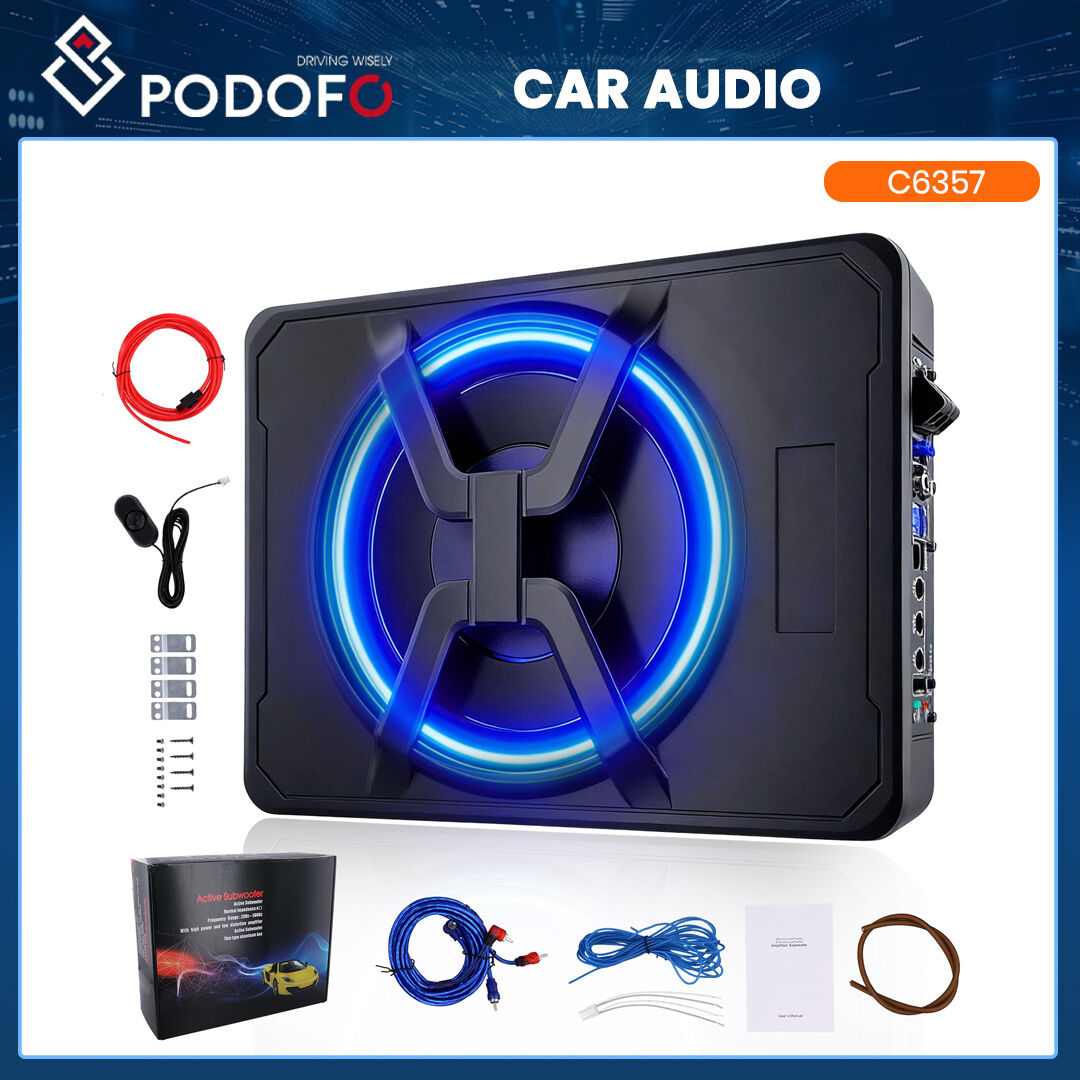
The automotive electronics market has expanded rapidly over the past decade, and one of its most consistent growth segments is car audio. What was once considered a simple add-on feature has evolved into a central part of the in-vehicle experience. Drivers and passengers now expect rich sound quality, seamless smartphone integration, and intuitive interfaces as standard features in any modern vehicle. This shift in consumer expectation is a key reason why car audio continues to attract significant investment from manufacturers and aftermarket suppliers alike.
Understanding why car audio is growing requires looking beyond simple trends. The category intersects with broader shifts in how people use vehicles, how technology is embedded in daily life, and how the automotive industry is redefining value for end users. Car audio is no longer just about speakers and amplifiers. It now includes wireless connectivity, GPS navigation, digital media playback, voice control, and advanced display systems. This convergence makes car audio one of the most dynamic and commercially relevant categories in the entire automotive electronics landscape.
Consumer Behavior Driving Car Audio Demand
The In-Vehicle Experience Has Become a Priority
Modern consumers spend a significant portion of their daily lives inside vehicles, whether commuting, traveling, or running errands. This reality has made the quality of the in-vehicle experience a genuine purchasing factor. Car audio plays a central role in that experience. Shoppers now actively seek vehicles or aftermarket upgrades that offer high-quality car audio performance, clear displays, and reliable wireless features. The time people spend in cars has effectively turned the vehicle cabin into a personal entertainment and productivity space.
This behavioral shift has pushed car audio from a secondary consideration to a primary decision driver. Dealerships report that in-cabin technology, including car audio systems, is among the most frequently asked-about features during purchase decisions. For aftermarket retailers, car audio upgrades consistently rank among the highest-demand product categories. Consumer behavior is not just supporting growth in car audio — it is actively accelerating it.
Smartphone Integration and Wireless Connectivity
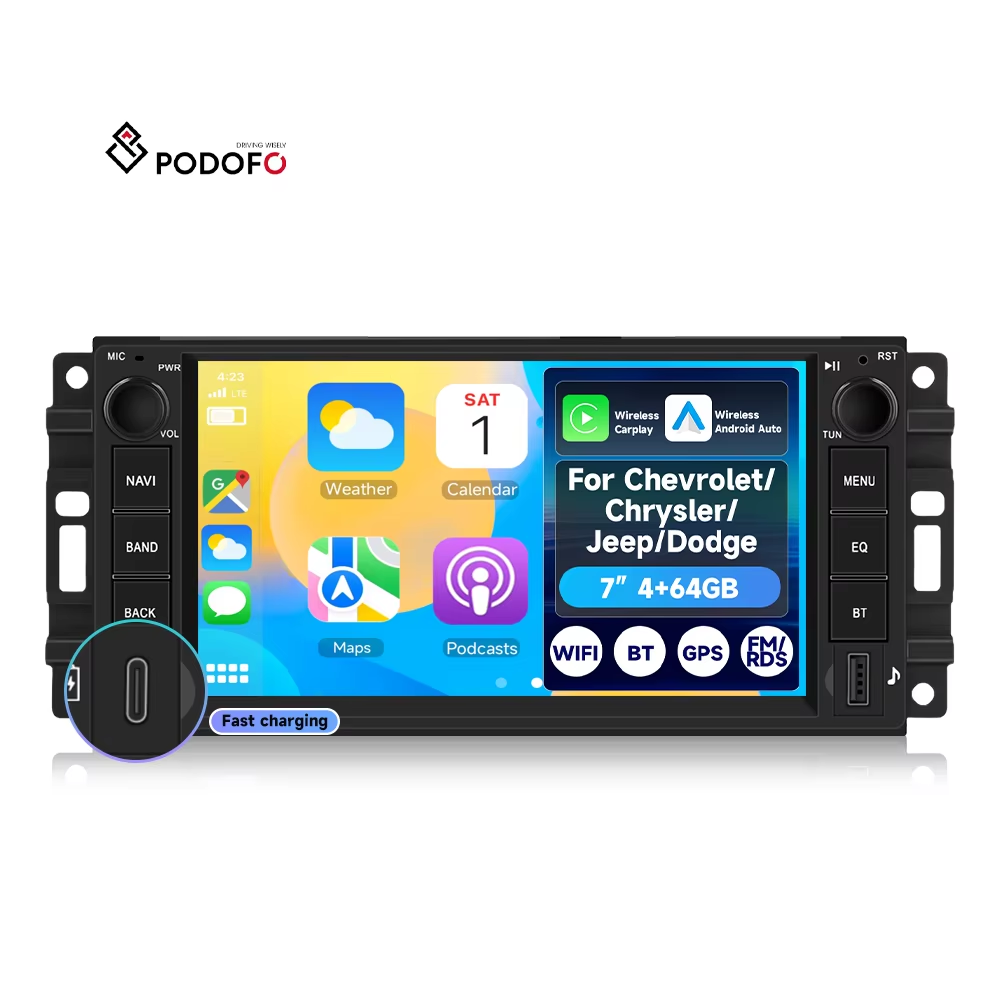
One of the clearest forces behind the rise of car audio is the universal adoption of smartphones. Consumers expect their vehicles to connect seamlessly with their devices, and car audio systems serve as the primary interface for that connection. Technologies such as wireless CarPlay and Android Auto have made car audio units essential platforms rather than isolated entertainment devices. A car audio head unit today is effectively a smart hub that bridges the vehicle and the user's digital life.
This connectivity demand creates a strong aftermarket opportunity. Many older vehicles lack modern car audio capabilities, and owners are highly motivated to upgrade. The relatively accessible price point of quality car audio upgrades compared to purchasing a new vehicle makes aftermarket car audio a practical and popular solution. Wireless features, touch displays, and app integration have made car audio upgrades one of the most cost-effective ways to modernize a vehicle.
Technology Innovation Expanding Car Audio Applications
Advanced Features Redefining What Car Audio Delivers
Car audio technology has advanced far beyond its original scope. Modern car audio systems now integrate GPS navigation, real-time traffic updates, digital radio such as RDS, equalizer tuning, Wi-Fi connectivity, and HD display capabilities. These features transform a car audio unit into a full-featured vehicle command center. For users who previously relied on standalone GPS devices or separate navigation apps, an integrated car audio system eliminates redundancy and simplifies the driving experience.
The inclusion of advanced equalizer settings and audio tuning options within car audio systems has also appealed strongly to enthusiasts and everyday drivers alike. Users can now customize their car audio output to match their preferences without investing in complex external hardware. This democratization of high-quality sound and feature access has broadened the car audio market considerably, pulling in buyers from multiple demographics and vehicle categories.
Compatibility With a Wide Range of Vehicles
A major driver of car audio market growth is how broadly compatible modern units have become. Car audio systems are now designed to fit a wide variety of vehicle makes and models, including trucks, SUVs, sedans, and specialty vehicles. Specifically, car audio upgrades tailored for popular platforms such as Jeep, Chevrolet, Chrysler, and Dodge have expanded the addressable market. Car audio manufacturers have recognized that platform-specific compatibility increases consumer confidence and simplifies installation.
This broad compatibility means that car audio demand is not concentrated in any single vehicle segment. Whether a buyer owns a rugged off-road truck or a daily commuter sedan, there is a car audio solution designed for that exact vehicle. This wide fitment coverage has helped the car audio category sustain growth across economic cycles, as it serves both new vehicle purchasers and owners of older models seeking upgrades.
Market Dynamics Supporting Car Audio Category Growth
Aftermarket and OEM Channels Both Expanding
Car audio growth is being driven through two parallel channels: original equipment manufacturers embedding car audio systems at the factory level, and the aftermarket sector supplying upgrades to existing vehicle owners. Both channels are expanding simultaneously. OEM car audio integration has improved as automakers compete on in-cabin technology as a differentiator. Meanwhile, the aftermarket car audio segment benefits from the massive installed base of vehicles that were manufactured before modern connectivity standards became mainstream.
This dual-channel expansion creates a self-reinforcing market dynamic. As more consumers experience advanced car audio in newer vehicles, demand rises for aftermarket car audio systems that bring similar capabilities to older models. The result is a growing total addressable market for car audio across the full vehicle age spectrum.
Value Perception and Upgrade Frequency
Car audio upgrades are perceived as high-value, relatively low-risk investments by vehicle owners. Compared to mechanical upgrades or full infotainment system replacements, a quality car audio unit delivers immediate, tangible improvements to daily use. This strong value perception encourages repeat purchases and word-of-mouth recommendations. Car audio also benefits from a culture of personalization in the automotive community, where audio quality and display clarity are seen as meaningful expressions of ownership identity.
FAQ
What makes car audio different from other automotive electronics?
Car audio directly affects the daily sensory experience of every trip. Unlike mechanical systems, car audio improvements are immediately noticeable to all occupants. This gives car audio a unique emotional and functional value that drives strong consumer interest and consistent market demand.
Why is aftermarket car audio growing faster than some other categories?
Aftermarket car audio grows quickly because millions of older vehicles lack modern connectivity features. Owners who want wireless CarPlay, GPS, or HD displays find that upgrading their car audio system is far more practical than purchasing a new vehicle, making car audio one of the most accessible upgrade paths available.
How does car audio support broader automotive electronics trends?
Car audio acts as the integration point for many automotive electronics trends, including wireless connectivity, voice control, navigation, and digital media. As these trends grow, car audio systems become more central to the overall vehicle electronics ecosystem, reinforcing sustained demand across both consumer and commercial vehicle segments.