EN
EN



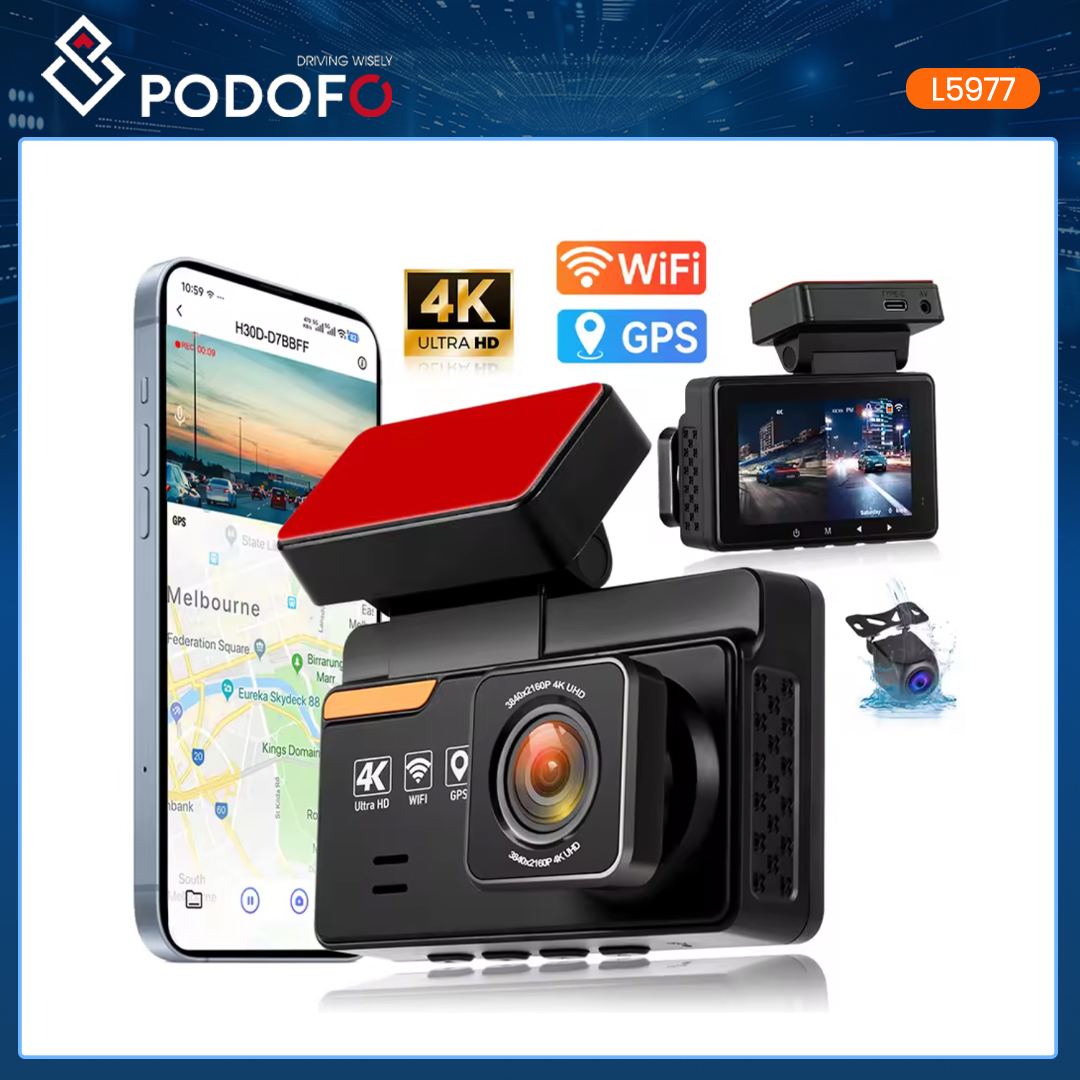
The global market for dash cam devices has experienced remarkable growth over the past decade, transforming from a niche automotive accessory into a mainstream safety essential. Consumers, fleet operators, and insurance companies worldwide are investing heavily in dash cam devices to protect themselves legally, reduce fraud, and enhance vehicle security. This surge in demand reflects a fundamental shift in how drivers perceive accident documentation, liability protection, and vehicle accountability in an increasingly complex transportation environment.
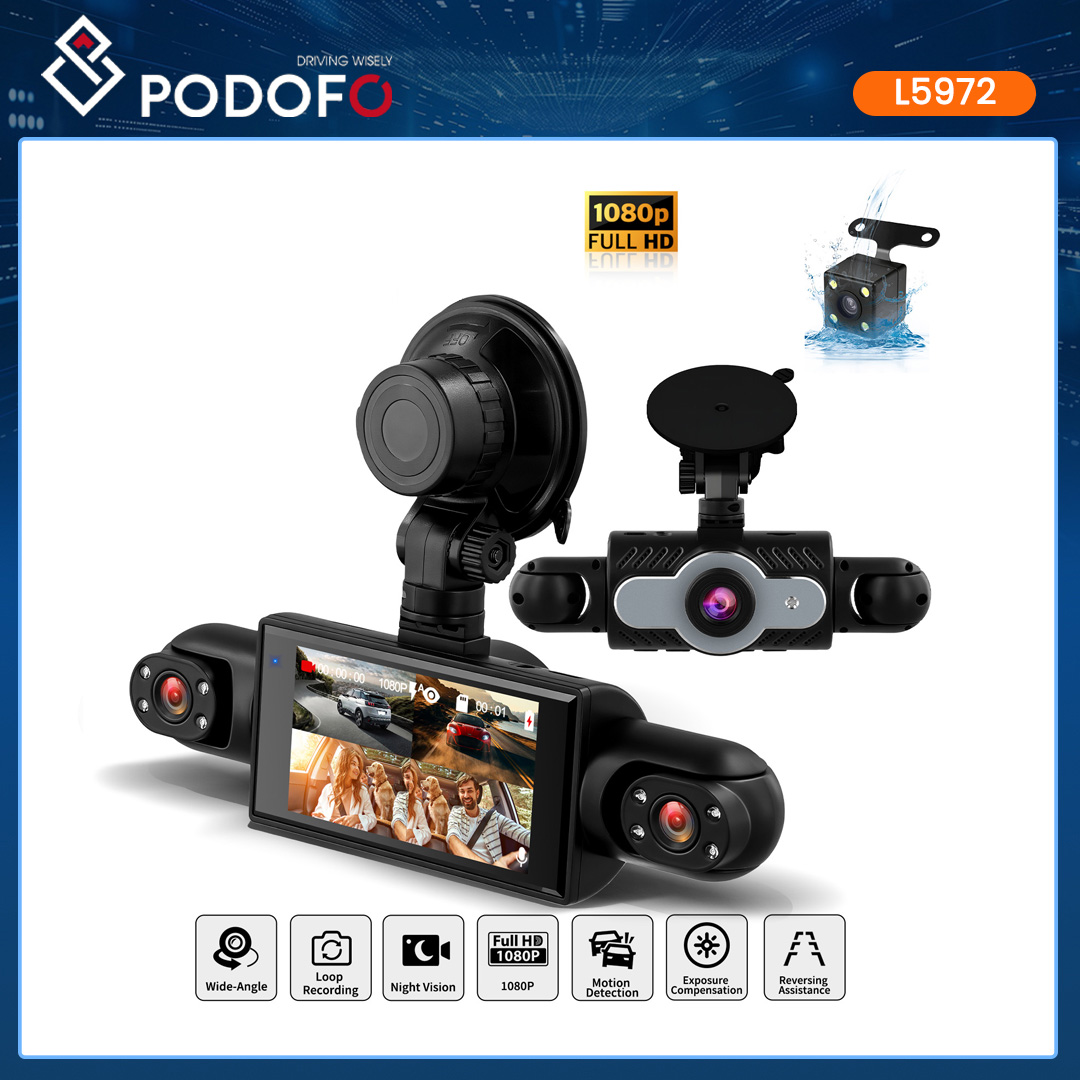
Understanding why dash cam devices have become so critical requires examining the convergence of legal incentives, technological advancement, insurance economics, and driver behavior trends. As roads grow more congested and accident disputes become increasingly expensive to resolve, the value proposition of dash cam devices has never been stronger. This article explores the primary forces driving global demand for dash cam devices and their impact on the automotive safety landscape.
Rising Accident Disputes and Legal Protection
The Cost of False Claims and Liability Disputes
One of the most compelling reasons for the surge in dash cam devices adoption is the escalating number of staged accidents and fraudulent insurance claims worldwide. Unscrupulous drivers deliberately create collision scenarios to extract settlement money from unsuspecting victims, and without video evidence, these false claims can succeed. Dash cam devices provide irrefutable documentation of what actually happened before, during, and after an incident, fundamentally shifting the balance of power in liability disputes. Insurance companies recognize that dash cam devices reduce claim processing time, lower fraud losses, and enable faster resolution of contested incidents.
Evidence in Hit-and-Run and Minor Accidents
Hit-and-run incidents remain a persistent problem in urban and suburban areas, often leaving victims without recourse because they cannot identify the fleeing vehicle. Dash cam devices capture license plate numbers, vehicle descriptions, and driver details that would otherwise be lost forever. Even minor parking lot collisions and fender-benders benefit from the video evidence that dash cam devices provide, eliminating he-said-she-said disputes. Many jurisdictions now actively encourage or incentivize drivers to use dash cam devices specifically because they accelerate justice and reduce litigation costs.
Technological Advancement and Affordability
High-Definition Recording and Dual-Channel Capabilities
Modern dash cam devices have evolved dramatically from their early iterations, now offering 4K resolution, night vision, GPS tracking, and advanced sensor technology that rivals professional-grade equipment. Dual-lens dash cam devices simultaneously record front and rear footage, providing comprehensive coverage of incidents occurring at any angle around the vehicle. The proliferation of affordable dash cam devices with premium features has democratized access to professional-grade vehicle monitoring, making high-quality recording available to drivers at all income levels. Consumers increasingly recognize that investing in dash cam devices is far more cost-effective than facing potential insurance claim denials or expensive legal battles.
Connectivity and Smart Features
Connectivity features integrated into modern dash cam devices, including WiFi, mobile app integration, and cloud storage compatibility, have transformed how drivers interact with their vehicle recordings. Real-time alerts from dash cam devices notify drivers of collisions, aggressive tailgating, or suspicious activity around parked vehicles. Loop recording functionality ensures that dash cam devices continuously update their storage without requiring manual management, making them accessible to non-technical users. These smart features have expanded the appeal of dash cam devices beyond safety-conscious enthusiasts to mainstream consumers seeking convenient, automated protection.
Insurance Industry Influence and Market Incentives
Premium Discounts and Insurance Partnerships
Global insurance providers have responded to the efficacy of dash cam devices by offering premium discounts to policyholders who install them. Some insurers now provide rebates specifically for dash cam devices, recognizing the substantial reduction in fraudulent claims and dispute resolution costs. This financial incentive has accelerated adoption rates, as drivers calculate that dash cam devices pay for themselves through insurance savings within the first year. Insurance companies increasingly partner with dash cam devices manufacturers to develop integrated solutions that automatically report incidents and streamline claims processing.
Commercial Fleet Operations and Risk Management
Commercial fleet operators managing hundreds or thousands of vehicles have become one of the largest drivers of global demand for dash cam devices. Trucking companies, delivery services, ride-sharing platforms, and transportation networks deploy dash cam devices across their entire fleets to monitor driver behavior, reduce accident liability, and optimize route safety. Dash cam devices provide fleet managers with behavioral coaching opportunities, identifying aggressive driving patterns and training drivers before incidents occur. The operational efficiency and liability reduction that dash cam devices deliver to commercial operations has made them a standard expense category rather than an optional upgrade.
Shifting Consumer Awareness and Road Safety Culture
Social Media Documentation and Legal Evidence Sharing
Social media platforms have amplified awareness of dash cam devices by widely distributing dramatic accident footage that demonstrates their value in resolving disputes definitively. When accident victims share dash cam devices footage showing clear liability, it reaches millions of viewers and reinforces the perceived necessity of owning dash cam devices. This viral documentation effect has normalized dash cam devices ownership across demographics and geographic regions, transforming them from specialized tools into mainstream safety devices. Consumer testimonials about how dash cam devices prevented financial loss or proved innocence in disputed accidents have become powerful marketing forces driving continued demand.
Regulatory Support and Government Initiatives
Governments in multiple regions are beginning to recognize the public safety benefits of widespread dash cam devices adoption. Some jurisdictions offer tax incentives or subsidies for drivers who purchase dash cam devices, viewing them as investments in traffic safety infrastructure. Regulatory bodies increasingly accept dash cam devices footage as valid evidence in legal proceedings, streamlining the path from documented incident to fair resolution. This regulatory legitimacy has transformed dash cam devices from optional accessories into practically essential equipment for drivers who want comprehensive legal protection.
FAQ
What specific features should drivers prioritize when selecting dash cam devices?
When evaluating dash cam devices, prioritize 1080p minimum resolution, wide-angle lenses covering at least 170 degrees, night vision capability, and loop recording functionality. For maximum protection, consider dual-lens dash cam devices that capture both front and rear angles simultaneously. Weather resistance, reliable GPS tagging, and reliable mobile app connectivity are important secondary features that enhance the overall utility of dash cam devices in real-world driving conditions.
How do dash cam devices impact insurance claim resolution timelines?
Dash cam devices dramatically accelerate claim resolution by providing objective evidence that eliminates the need for extensive investigations. Insurance adjusters can review dash cam devices footage within minutes rather than spending days gathering witness statements and vehicle inspection data. This efficiency reduces processing costs and allows insurers to settle legitimate claims faster while quickly denying fraudulent ones, creating direct financial benefits that explain why insurers incentivize dash cam devices ownership through premium discounts.
Are dash cam devices effective for reducing staged accident fraud across different regions?
Yes, dash cam devices have proven highly effective against staged accidents globally, with fraud reduction rates ranging from 30 to 60 percent in regions with high adoption. Insurance companies report that the mere presence of dash cam devices deters criminals from attempting fraud, and the objective footage eliminates ambiguity when disputes do occur. Countries experiencing organized fraud rings have seen marked decreases in accident-related claims fraud following public awareness campaigns promoting dash cam devices adoption.