EN
EN



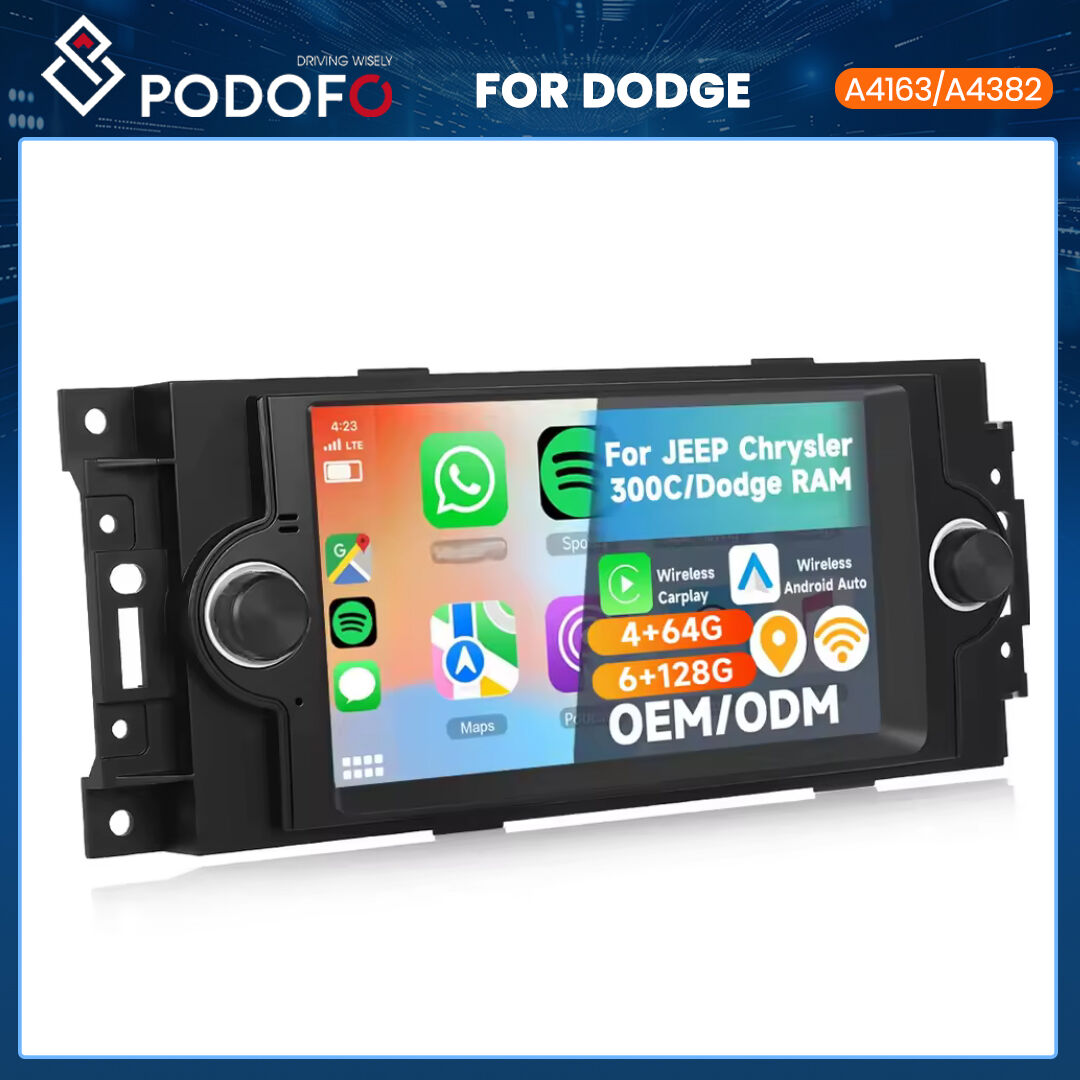
Modernizacja systemu audio i rozrywkowego w pojeździe za pomocą Stereodysku samochodowego z systemem Android może przekształcić Twoje wrażenia z jazdy, ale kluczowym pytaniem, przed którym stają wielu właścicieli pojazdów, jest zrozumienie, co decyduje o tym, czy konkretny układ będzie pasował i prawidłowo funkcjonował w ich samochodzie. Zgodność między androidowym odtwarzaczem samochodowym a różnymi modelami samochodów zależy od wielu czynników technicznych, mechanicznych i elektrycznych, które razem zapewniają bezproblemową integrację. Ten obszerny przewodnik omawia podstawowe elementy, dzięki którym nowoczesne androidowe odtwarzacze samochodowe są dostosowywane do różnych platform pojazdów, pomagając Ci podejmować świadome decyzje przy wyborze nagłośnienia after-market do konkretnego zastosowania motocyklowego.
Zgodność odtwarzacza samochodowego z systemem Android z różnymi modelami samochodów wykracza poza proste wymiary fizyczne i obejmuje interfejsy elektryczne, konfiguracje montażowe, architekturę systemu audio oraz protokoły komunikacji specyficzne dla danego pojazdu. Nowoczesne pojazdy wyposażone są w coraz bardziej złożone systemy elektroniczne, które wymagają starannego rozważenia podczas integracji komponentów after-market. Zrozumienie tych czynników zgodności zapewnia wybór odtwarzacza samochodowego z systemem Android, który nie tylko pasuje fizycznie do konsoli Twojego pojazdu, ale także prawidłowo integruje się z istniejącymi systemami pojazdu, zachowuje funkcjonalność fabryczną oraz oferuje ulepszone funkcje, których oczekujesz od nowoczesnej aktualizacji systemu rozrywki i informacji.
Wymiary fizyczne i standardy montażu
Klasyfikacje wielkości DIN i standardy uniwersalne
Przemysł motocyklowy i samochodowy wprowadził ustandaryzowane rozmiary montażowe do odtwarzaczy głowiczych, przy czym najczęściej stosowanymi konfiguracjami są jedno-DIN i dwu-DIN. Jedno-DIN urządzenie car stereo z systemem Android ma wymiary około 180 mm szerokości na 50 mm wysokości, podczas gdy urządzenia dwu-DIN mają szerokość 180 mm i wysokość 100 mm. Te ustandaryzowane wymiary pochodzą od niemieckiego instytutu normowania Deutsches Institut für Normung i tworzą uniwersalne specyfikacje, umożliwiające producentom sprzętu dodatkowego (aftermarket) wytwarzanie jednostek kompatybilnych z wieloma platformami pojazdów. Zrozumienie rozmiaru otworu w desce rozdzielczej Twojego pojazdu jest pierwszym krokiem w określaniu, które konfiguracje car stereo z systemem Android fizycznie zmieszczą się w konkretnym modelu Twojego samochodu.
Ponad te dwie główne normy niektóre pojazdy wyposażone są w niestandardowe lub powiększone otwory, które pozwalają na montaż większych ekranów lub fabrycznych systemów o nietypowym kształcie. Nowoczesne odtwarzacze samochodowe z systemem Android często są wyposażone w regulowane uchwyty montażowe, pierścienie wykończeniowe oraz zestawy elementów do deski rozdzielczej, zaprojektowane tak, aby dopasować standardowe wymiary urządzenia do specyficznych konturów deski rozdzielczej danego pojazdu. Te akcesoria adaptacyjne stanowią most między uniwersalnymi komponentami elektronicznymi a różnorodnymi rozwiązaniami estetycznymi i konstrukcyjnymi stosowanymi przez różnych producentów pojazdów oraz w poszczególnych latach produkcji modeli.
Integracja z deską rozdzielczą i zgodność z elementami wykończenia
Osiągnięcie wyglądu przypominającego fabryczny podczas instalacji samochodowego odtwarzacza Android wymaga starannej uwagi na integrację z deską rozdzielczą oraz zgodność listew montażowych. Komplety listew montażowych przeznaczone specjalnie dla danego modelu pojazdu zapewniają niezbędną konstrukcję do bezpiecznego zamocowania jednostki after-market, zachowując przy tym oryginalny wygląd deski rozdzielczej. Komplety te uwzględniają różnice w krzywiźnie deski rozdzielczej, rozmieszczeniu przycisków, położeniu sterowania klimatyzacją oraz ogólnym języku projektowym wnętrza, które znacznie się różnią w zależności od producenta pojazdu, a nawet między poszczególnymi rocznikami tego samego modelu.
Jakość i precyzja wykonania zestawu montażowego bezpośrednio wpływają zarówno na integrację wizualną, jak i długoterminową trwałość instalacji radia samochodowego z systemem Android. Zestawy montażowe premium zawierają materiały o fakturze i kolorze zgodnym z fabryczną, zawierają niezbędne elementy montażowe oraz otwory na wszystkie dodatkowe przyciski i otwory wentylacyjne. Niektóre zaawansowane instalacje mogą wymagać niestandardowego wykonania lub specjalistycznych adapterów, aby dostosować się do unikalnej geometrii deski rozdzielczej, występującej w pojazdach luksusowych lub modelach z wbudowanymi systemami klimatyzacji w obszarze jednostki głównej.
Rozmiar ekranu i położenie wyświetlacza
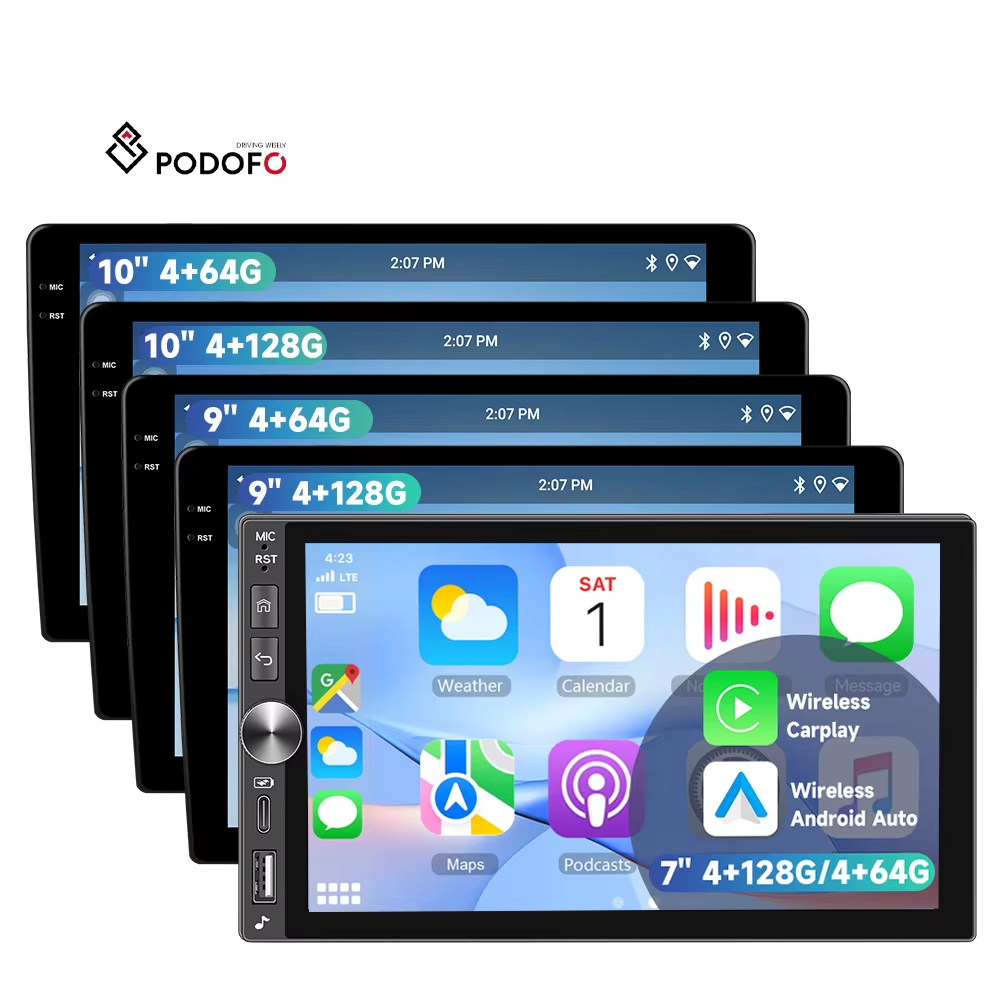
Nowoczesne odtwarzacze samochodowe z systemem Android coraz częściej są wyposażone w większe wyświetlacze dotykowe, których wymiary przekraczają tradycyjne wymiary jednostki DIN, co wymaga starannego uwzględnienia wolnej przestrzeni pionowej i poziomej w desce rozdzielczej danego pojazdu. Odtwarzacz samochodowy z systemem Android o przekątnej 9 cali lub 10 cali musi posiadać wystarczającą głębokość za deską rozdzielczą, odpowiednią wolną przestrzeń pionową nad urządzeniem oraz prawidłowe rozmieszczenie względem przycisków sterujących kierownicą i linii widzenia kierowcy. Zgodność fizyczna obejmuje nie tylko otwór montażowy, lecz także zapewnienie, że wyświetlacz nie zakłóca pracy dźwigni zmiany biegów, dostępu do sterowania klimatem ani stref rozwijania się poduszek powietrznych.
Kąt widzenia i orientacja ekranu twojego odtwarzacza samochodowego z systemem Android powinny być dostosowane do pozycji siedzenia w pojeździe oraz kąta deski rozdzielczej. W niektórych pojazdach z silnie nachylonymi deskami rozdzielczymi mogą być wymagane regulowane rozwiązania montażowe lub specyficzne modele jednostek z ekranami zaprojektowanymi tak, aby zapewniać dobrą widoczność z różnych kątów. Dodatkowo przy wyborze należy uwzględnić wpływ odbić ekranu od przedniej szyby oraz bezpośredniego działania promieni słonecznych, ponieważ technologie wyświetlaczy oraz metody ograniczania odbłyśnięć różnią się znacznie w zależności od modelu odtwarzacza samochodowego z systemem Android.
Integracja z układem elektrycznym i wymagania dotyczące zasilania
Zgodność napięciowa i przesył mocy
An Stereodysku samochodowego z systemem Android musi działać w ramach parametrów elektrycznych systemu zasilania pojazdu, który zwykle zapewnia napięcie stałe 12 V w typowych pojazdach osobowych oraz napięcie 24 V w niektórych zastosowaniach komercyjnych lub ciężkich. Większość pozarynkowych odtwarzaczy samochodowych z systemem Android jest zaprojektowana do pracy w systemach 12-voltowych, jednak zrozumienie architektury elektrycznej Twojego pojazdu zapewnia prawidłowe zasilanie i zapobiega potencjalnemu uszkodzeniu wrażliwych komponentów elektronicznych. Połączenie za pomocą przewodu zasilającego przekazuje zarówno stałe napięcie 12 V do utrzymywania pamięci urządzenia, jak i przełączane napięcie zapłonu, które aktywuje urządzenie po uruchomieniu silnika pojazdu.
Ponad podstawowe wymagania dotyczące napięcia, nowoczesne odtwarzacze samochodowe z systemem Android pobierają różną ilość prądu w zależności od rozmiaru ekranu, mocy obliczeniowej, możliwości wzmacniania oraz podłączonych akcesoriów. System elektryczny pojazdu musi zapewniać wystarczającą wartość prądu, aby zasilać odtwarzacz samochodowy z systemem Android wraz ze wszystkimi innymi elementami elektrycznymi, bez przeciążania obwodów ani rozładowywania akumulatora, gdy silnik jest wyłączony. Niektóre jednostki o wysokiej wydajności z wbudowanymi wzmacniaczami mogą wymagać dedykowanych połączeń zasilających lub ulepszonego okablowania, aby bezpiecznie obsłużyć zwiększone zapotrzebowanie na prąd.
Adaptery do zestawów przewodów i standardy łączników
Producenci pojazdów stosują własnościowe konstrukcje złączy do połączeń z fabrycznymi jednostkami głowicowymi, co wymaga użycia przewodów dopasowanych do konkretnego modelu pojazdu w celu podłączenia pozafabrycznego odtwarzacza samochodowego z systemem Android do istniejącego układu elektrycznego Twojego samochodu. Te przewody przekształcają uniwersalne złącza ISO, które występują w większości odtwarzaczy samochodowych z systemem Android, tak aby pasowały do konkretnego układu złączy w Twoim pojeździe, umożliwiając montaż bez niszczenia oryginalnych przewodów i zachowując integralność fabrycznego okablowania. Wysokiej jakości przewody dopasowujące zapewniają prawidłowe przyporządkowanie pinów do zasilania, uziemienia, wyjść głośnikowych oraz połączeń dodatkowych we wszystkich platformach pojazdów.
Zaawansowane adaptery do przewodów zawierają dodatkowe obwody elektroniczne umożliwiające konwersję typów sygnałów, zachowanie funkcjonalności sterowania kierownicą oraz utrzymanie integracji z fabrycznymi wzmacniaczami lub zaawansowanymi systemami audio. W przypadku niektórych pojazdów wymagane są akcesoria do zachowywania danych, które utrzymują połączenia z modułami kontroli nadwozia, zapewniając prawidłowe działanie fabrycznych systemów zabezpieczeń, dźwięków sygnalizacyjnych oraz wskaźników ostrzegawczych po instalacji Androidowego odtwarzacza samochodowego. Zrozumienie specyficznej architektury przewodów w danym pojeździe oraz wybór odpowiednich adapterów sprzętowych gwarantuje pełną kompatybilność wykraczającą poza proste połączenia zasilania i głośników.
Połączenie anteny i odbiór radia
Zgodność z anteną radiową stanowi kolejny kluczowy aspekt elektryczny, który należy wziąć pod uwagę przy instalowaniu odtwarzacza Android w różnych modelach samochodów. Choć połączenia antenowe zostały w pewnym stopniu znormalizowane wokół gniazda typu Motorola, niektóre pojazdy wykorzystują własnościowe złącza antenowe, zintegrowane systemy antenowe z dywersyfikacją sygnału lub zaprojektowane z użyciem wzmacniaczy antenowe, wymagające specyficznych adapterów lub przetworników sygnału. Samochody europejskie i azjatyckie czasem stosują standardy złączy antenowych inne niż te używane przez producentów krajowych, co wymaga zastosowania odpowiednich kabli adapterowych w celu zachowania funkcjonalności radia AM/FM.
Pojazdy wyposażone w fabryczny odbiornik satelitarny, nawigację GPS lub łączność komórkową mogą posiadać wiele połączeń antenowych, które należy uwzględnić podczas instalacji androidowego odtwarzacza samochodowego. Niektóre nowoczesne jednostki integrują anteny GPS, komórkowe i WiFi w obudowie głownej jednostki sterującej, podczas gdy inne wymagają zewnętrznego umieszczenia anten oraz prowadzenia kabli przez otwory w desce rozdzielczej. Zapewnienie silnego odbioru sygnału radiowego, szybkiego pozyskiwania sygnału GPS oraz nieprzerwanej łączności bezprzewodowej w androidowym odtwarzaczu samochodowym wymaga zrozumienia infrastruktury antenowej danego pojazdu oraz wybrania kompatybilnych konfiguracji sprzętu.
Architektura systemu audio i integracja głośników
Impedancja głośników i dopasowanie mocy
Zgodność androidowego odtwarzacza samochodowego z istniejącym w pojeździe systemem głośnikowym zależy od dopasowania wartości impedancji oraz charakterystyk obsługi mocy między wyjściami wzmacniacza odtwarzacza a samymi głośnikami. Większość fabrycznych głośników samochodowych działa przy impedancji 4 omów, podczas gdy niektóre systemy premium wykorzystują konfiguracje 2-omowe w celu zwiększenia przekazywanej mocy. Androidowy odtwarzacz samochodowy musi zapewniać wyjścia wzmacniacza zdolne do zasilania głośników w Twoim pojeździe przy ich konkretnej impedancji bez zniekształceń, przegrzewania ani uszkodzenia głośników lub wewnętrznych wzmacniaczy odtwarzacza.
Specyfikacje mocy wyjściowej androidowego odtwarzacza samochodowego powinny być zgodne z możliwościami obsługi mocy przez głośniki w Twoim pojeździe, aby zapewnić optymalną jakość dźwięku i długotrwałą pracę systemu. Zbyt słabe wzmocnienie skutkuje niewystarczającą głośnością i zakresem dynamiki, podczas gdy nadmierna moc może uszkodzić głośniki nieprzeznaczone do pracy przy wysokiej mocy wyrażanej w watach. Zrozumienie specyfikacji fabrycznych głośników lub ulepszeń głośników zastępczych pozwala upewnić się, że wybrany androidowy odtwarzacz samochodowy zapewnia odpowiednie wzmocnienie dla konkretnego układu audio — niezależnie od tego, czy wykorzystuje wewnętrzne wzmacniacze, czy wymaga zewnętrznego wzmacniacza w przypadku profesjonalnych instalacji.
Zachowanie i integracja fabrycznego wzmacniacza
Wiele pojazdów, szczególnie tych wyposażonych w premiumowe systemy audio, posiada fabryczne wzmacniacze oddzielone od odtwarzacza głównego, które zasilają wiele głośników w kabinie. Instalacja androidowego odtwarzacza samochodowego w pojazdach z fabrycznymi systemami wzmacniania wymaga specjalnych interfejsów integracyjnych, które konwertują sygnały wyjściowe odtwarzacza głównego na poziomie głośników na sygnały liniowe wymagane przez fabryczne wzmacniacze. Te moduły integracyjne zachowują funkcjonalność fabrycznego wzmacniacza, zapewniając dalsze zasilanie wszystkich głośników oraz umożliwiając androidowemu odtwarzaczowi samochodowemu kontrolę wyboru źródła, poziomu głośności i przetwarzania dźwięku.
Niektóre fabryczne systemy wzmacniaczy zawierają przetwarzanie sygnału cyfrowego, aktywne krosowery oraz dostosowanie akustyczne specyficzne dla danego pojazdu, co znacząco wpływa na ogólną jakość dźwięku. Rozwiązania zapewniające zgodność z tymi zaawansowanymi systemami obejmują od prostych konwerterów wyjścia liniowego po wysoce zaawansowane procesory sygnału cyfrowego, które działają jako interfejs między androidowym odtwarzaczem samochodowym a fabrycznymi systemami wzmacniania. W niektórych przypadkach preferowane może być obejście fabrycznego wzmacniacza i bezpośrednie zasilanie głośników z androidowego odtwarzacza samochodowego, choć podejście to wymaga starannego rozważenia konfiguracji głośników, modyfikacji okablowania oraz potencjalnego wpływu na scenerię dźwiękową zaprojektowaną zgodnie z architekturą fabrycznego systemu.
Wsparcie dla subwoofera i wielokanałowego dźwięku
Pojazdy wyposażone w fabryczne subwoofery lub wielokanałowe systemy audio wymagają dodatkowych rozważań dotyczących zgodności przy wyborze odtwarzacza samochodowego z systemem Android. Wyjścia dedykowane do subwooferów z regulowaną częstotliwością przepustową umożliwiają prawidłową integrację z fabrycznymi subwooferami lub zewnętrznymi systemami basowymi, zapewniając czyste rozdzielenie zakresów częstotliwości i zapobiegając nakładaniu się sygnału między głośnikami pełnokrotnymi a reprodukcją niskich częstotliwości. Odtwarzacz samochodowy z systemem Android wyposażony w obszerny zestaw kontroli dźwięku pozwala dostosować poziom subwoofera, punkt przepustowy oraz dopasowanie fazy tak, aby odpowiadały one konkretnemu środowisku akustycznemu danego pojazdu.
Zaawansowane systemy audio w pojazdach luksusowych mogą zawierać głośniki kanału środkowego, głośniki uzupełniające z tyłu oraz wiele lokalizacji subwooferów, co wymaga zaawansowanego routingu i przetwarzania sygnału. Niektóre odtwarzacze samochodowe z systemem Android oferują wyjścia przedwzmacniacza dla wielu kanałów, umożliwiając podłączenie zewnętrznego wzmacniacza, który napędza poszczególne strefy głośników z niezależną kontrolą. Zrozumienie pełnej architektury audio Twojego pojazdu zapewnia, że wybrany odtwarzacz samochodowy z systemem Android zapewnia odpowiednią konfigurację wyjść oraz możliwości przetwarzania, aby w pełni wykorzystać istniejącą infrastrukturę głośnikową lub wspierać przyszłe ulepszenia systemu audio.
Protokoły komunikacji pojazdów i integracja danych
Kompatybilność z przyciskami sterowania na kierownicy
Nowoczesne pojazdy są wyposażone w sterowanie systemem audio umieszczone na kierownicy, umożliwiające kierowcy regulację głośności, zmianę źródeł dźwięku oraz kontrolę odtwarzania bez konieczności odrywania rąk od kierownicy. Sterowania te komunikują się z jednostką głowiczną za pośrednictwem różnych protokołów własnych, zależnych od producenta pojazdu oraz roku jego produkcji. Odtwarzacz samochodowy z systemem Android zapewnia zgodność ze standardowymi przyciskami sterującymi na kierownicy dzięki dedykowanym modułom interfejsowym, które tłumaczą sygnały sterujące pojazdu na polecenia rozumiane i odpowiednio obsługiwane przez jednostkę after-market.
Interfejsy sterowania kierownicą obejmują od prostych sieci opartych na rezystorach po zaawansowane tłumacze magistrali CAN, które dekodują cyfrowe protokoły komunikacyjne. Niektóre odtwarzacze samochodowe z systemem Android zawierają wbudowane funkcje uczenia się sterowania kierownicą, umożliwiające użytkownikom programowanie funkcji przycisków podczas instalacji, podczas gdy inne wymagają wstępnie skonfigurowanych modułów interfejsowych specyficznych dla marki i modelu pojazdu. Zachowanie funkcjonalności sterowania kierownicą znacznie poprawia jakość integracji instalacji odtwarzacza samochodowego z systemem Android, zachowując wygodę i korzyści związane z bezpieczeństwem wynikające z fabrycznych układów sterowania bez utraty dostępu do funkcji dodatkowych urządzeń.
Wyświetlacz informacji o pojeździe i integracja systemu
Zaawansowane odtwarzacze samochodowe z systemem Android mogą integrować się z systemami danych pojazdu poprzez połączenia magistrali CAN, wyświetlając w czasie rzeczywistym informacje takie jak zużycie paliwa, ciśnienie w oponach, diagnostyka silnika oraz przypomnienia o konieczności konserwacji bezpośrednio na ekranie jednostki głownej. Taki poziom integracji wymaga, aby odtwarzacz samochodowy z systemem Android komunikował się przy użyciu protokołów i formatów danych specyficznych dla danego pojazdu, które różnią się znacznie w zależności od producenta. Zgodność z tymi systemami zależy od tego, czy oprogramowanie jednostki głownej obsługuje standard komunikacji charakterystyczny dla konkretnego pojazdu oraz czy ma dostęp do odpowiedniej sieci magistrali CAN w elektronicznej architekturze samochodu.
Niektóre pojazdy izolują magistralę CAN systemu rozrywkowego od sieci układu napędowego i podwozia ze względów bezpieczeństwa, co ogranicza głębokość integracji możliwą z zestawami Android do samochodów firmy trzeciej. Inne zapewniają kompleksowy dostęp do danych poprzez standardowe porty diagnostyczne lub dedykowane połączenia z siecią systemu rozrywkowego. Zrozumienie architektury elektronicznej danego pojazdu oraz konkretnych możliwości integracji różnych modeli zestawów Android do samochodów pozwala na ustanowienie realistycznych oczekiwań dotyczących wyświetlania danych pojazdu oraz funkcji sterowania systemem w danej aplikacji.
Integracja kamery cofania i systemu bezpieczeństwa
Kamery zapasowe i systemy wspomagania postoju montowane w fabryce wymagają zgodnych połączeń wejściowych wideo w Twoim odtwarzaczu samochodowym z systemem Android, aby zachować funkcjonalność po instalacji. Większość nowoczesnych odtwarzaczy samochodowych z systemem Android posiada dedykowane wejścia dla kamer z automatyczną zmianą źródła sygnału wyzwaną załączeniem biegu cofania, jednak zgodność obejmuje nie tylko proste połączenie wideo, lecz także format sygnału, rozdzielczość oraz mechanizm wyzwalania. Niektóre pojazdy używają sygnałów wideo kompozytowych, podczas gdy inne stosują transmisję wideo cyfrowego, wymagającą specyficznego sprzętu wejściowego w odtwarzaczu samochodowym z systemem Android.
Zaawansowane systemy wspomagania kierowcy, które integrują kamery przednie, czujniki postojowe oraz dynamiczne nakładki linii prowadzących, stwarzają dodatkowe wyzwania związane z kompatybilnością podczas instalacji odtwarzacza samochodowego z systemem Android. Zachowanie tych funkcji bezpieczeństwa może wymagać zastosowania specjalizowanych modułów interfejsowych, które zapewniają zachowanie sygnałów fabrycznych kamer, integrację czujników postojowych oraz wyświetlanie nakładek wizualnych na ekranie odtwarzacza z rynku wtórnego. Niektóre odtwarzacze samochodowe z systemem Android obsługują wiele wejść kamer, umożliwiając zachowanie fabrycznych systemów kamer przy jednoczesnym dodaniu kamer z rynku wtórnego w celu poprawy widoczności. Zapewnienie prawidłowej integracji odtwarzacza samochodowego z systemem Android z istniejącymi systemami bezpieczeństwa chroni zarówno funkcjonalność pojazdu, jak i bezpieczeństwo pasażerów podczas manewrów cofania i parkowania.
Kompatybilność oprogramowania i integracja funkcji
Wersja systemu Android i obsługa aplikacji
Wersja systemu operacyjnego Android działająca na twoim odtwarzaczu samochodowym z systemem Android określa kompatybilność aplikacji, dostępność funkcji oraz wsparcie aktualizacji w długiej perspektywie czasowej. Nowoczesne odtwarzacze samochodowe z systemem Android zwykle działają na wersjach Androida zoptymalizowanych do zastosowań motocyklowych i samochodowych, z interfejsami użytkownika zaprojektowanymi specjalnie do użytku w pojeździe, a nie na standardowych układach przeznaczonych dla smartfonów. Kompatybilność z obecną wersją Android Auto, aplikacjami nawigacyjnymi oraz usługami strumieniowymi wymaga wystarczająco nowych wersji systemu Android, które obsługują współczesne wymagania aplikacji oraz protokoły bezpieczeństwa.
Różni producenci odtwarzaczy samochodowych z systemem Android w różnym stopniu dostosowują podstawowy system operacyjny Android, co wpływa zarówno na wygląd wizualny, jak i możliwości funkcjonalne. Niektórzy skupiają się na funkcjach specyficznych dla motocykli i samochodów, takich jak integracja danych pojazdu czy rozszerzone sterowanie dźwiękiem, podczas gdy inni utrzymują bliższe podobieństwo do standardowej funkcjonalności systemu Android, zapewniając szerszą kompatybilność z aplikacjami. Zrozumienie podejścia do implementacji oprogramowania pozwala upewnić się, że wybrany odtwarzacz samochodowy z systemem Android obsługuje zamierzone przez Ciebie aplikacje i wzorce użytkowania oraz zapewnia intuicyjną obsługę odpowiednią do warunków jazdy.
Bezprzewodowa łączność i sparowanie urządzeń
Funkcje bezprzewodowej łączności, w tym obsługa technologii Bluetooth, WiFi oraz połączeń komórkowych, różnią się w zależności od modelu odtwarzacza samochodowego z systemem Android, co wpływa na zgodność z telefonami inteligentnymi, usługami strumieniowymi oraz funkcjami online. Wersje protokołu Bluetooth określają jakość dźwięku, stabilność połączenia oraz obsługę zaawansowanych funkcji, takich jak jednoczesne łączenie się z dwoma urządzeniami czy synchronizacja kontaktów. Odtwarzacz samochodowy z systemem Android musi obsługiwać protokoły Bluetooth zgodne z Twoim smartfonem, aby zapewnić niezawodne wykonywanie połączeń głośnomówiących, przesyłanie strumieniowe dźwięku oraz bezprzewodową obsługę funkcji Android Auto lub Apple CarPlay.
Funkcja WiFi w androidowym odtwarzaczu samochodowym umożliwia łączenie się z internetem w celu strumieniowego odtwarzania usług, nawigacji online z uwzględnieniem rzeczywistego ruchu drogowego oraz aktualizacji oprogramowania przez sieć (OTA). Niektóre jednostki obsługują funkcję punktu dostępu WiFi wykorzystującego dane z połączonych smartfonów, podczas gdy inne są wyposażone w wbudowane modemy komórkowe wymagające osobnych subskrypcji danych. Zrozumienie własnych potrzeb związanych z łącznością oraz konkretnych możliwości bezprzewodowych poszczególnych modeli androidowych odtwarzaczy samochodowych zapewnia wybór urządzenia, które prawidłowo integruje się z użytkowymi urządzeniami i obsługuje zamierzone scenariusze użycia bez konieczności stosowania dodatkowego sprzętu lub subskrypcji.
Integracja systemu nawigacyjnego i funkcjonalność GPS
Funkcja nawigacji GPS stanowi podstawową cechę wielu odtwarzaczy samochodowych z systemem Android; do czynników wpływających na kompatybilność należą integracja anteny GPS, obsługa oprogramowania mapowego oraz zgodność z aplikacjami nawigacyjnymi. Wbudowane odbiorniki GPS wymagają prawidłowego umieszczenia anteny oraz niezakłóconego widoku nieba w celu zapewnienia dokładnego wyznaczania pozycji i niezawodnej obsługi nawigacji. Niektóre odtwarzacze samochodowe z systemem Android są wyposażone we wewnętrzne anteny GPS, które wystarczają w większości przypadków instalacji, podczas gdy inne korzystają z zewnętrznego umieszczenia anteny GPS, co poprawia odbiór sygnału w pojazdach z szybami przednimi z warstwą metalizowaną lub ograniczonym widokiem nieba.
Zgodność z aplikacjami nawigacyjnymi zależy zarówno od wydajności sprzętowej odbiornika GPS, jak i od obsługi oprogramowania dla popularnych usług mapowych. Większość odtwarzaczy samochodowych z systemem Android obsługuje standardowe aplikacje nawigacyjne na Androida, w tym Google Maps, Waze oraz różne rozwiązania map offline. Jakość integracji różni się w zależności od modelu: niektóre urządzenia oferują bezproblemową nawigację w trybie pełnoekranowym z obsługą przez przyciski na kierownicy, podczas gdy inne zapewniają jedynie podstawową obsługę aplikacji. Zrozumienie konkretnych wymagań dotyczących nawigacji, wynikających z Twoich indywidualnych wzorców użytkowania, pozwala upewnić się, że wybrany odtwarzacz samochodowy z systemem Android zapewni niezawodną funkcjonalność GPS oraz będzie obsługiwał preferowane przez Ciebie aplikacje mapowe z odpowiednią wydajnością i stopniem integracji funkcji.
Często zadawane pytania
Jak określić odpowiedni rozmiar DIN dla mojego pojazdu przed zakupem odtwarzacza samochodowego z systemem Android?
Aby określić rozmiar DIN swojego pojazdu, można zmierzyć otwór w istniejącym odtwarzaczu głowicznym – powinien on mieć około 180 mm szerokości i 50 mm wysokości dla jednostki single-DIN lub 180 mm szerokości i 100 mm wysokości dla jednostki double-DIN. Alternatywnie można skonsultować się z instrukcjami montażu dostosowanymi do konkretnego modelu pojazdu, bazami danych zgodności online udostępnianymi przez detaliści lub skontaktować się ze specjalistami od audio samochodowego, którzy posiadają szczegółowe informacje dotyczące dopasowania urządzeń do różnych marek i modeli pojazdów. W wielu pojazdach znajdują się demontowalne listwy ozdobne ujawniające rzeczywiste wymiary wnęki montażowej, a niektóre producenty publikują specyfikacje montażu w dokumentacji użytkownika lub podręcznikach serwisowych.
Czy mogę zainstalować Androidowy odtwarzacz samochodowy w pojeździe wyposażonym w fabryczny wzmacniacz audio?
Tak, można zainstalować androidowy odtwarzacz samochodowy w pojazdach wyposażonych w fabryczne układy wzmacniające, stosując odpowiednie moduły interfejsu sygnału, które konwertują wyjścia głośnikowe odtwarzacza na sygnały poziomu liniowego zgodne z fabrycznymi wzmacniaczami. Te urządzenia integracyjne zapewniają prawidłowe poziomy sygnału i dopasowanie impedancji, zachowując przy tym funkcjonalność fabrycznego wzmacniacza oraz konfigurację głośników. W niektórych przypadkach instalacja może wymagać dodatkowych komponentów, aby zachować pełną integrację z zaawansowanymi funkcjami audio, takimi jak przetwarzanie cyfrowe sygnału (DSP) lub aktywne krosowery. Zaleca się zlecenie instalacji specjalistowi, szczególnie w przypadku skomplikowanych fabrycznych systemów audio, aby zagwarantować prawidłową integrację i optymalną jakość dźwięku.
Czy instalacja androidowego odtwarzacza samochodowego wpłynie na gwarancję mojego pojazdu lub na fabryczne systemy?
Instalacja odtwarzacza samochodowego z systemem Android zwykle nie unieważnia całej gwarancji na pojazd, ponieważ ustawy Magnusona-Mossa w zakresie gwarancji chronią konsumentów przed całkowitym odmówieniem gwarancji z powodu części zamiennych pochodzących spoza producenta. Jednak jeśli instalacja spowoduje uszkodzenie systemów lub elementów pojazdu, naprawy tych konkretnych elementów mogą nie być objęte gwarancją. Zastosowanie odpowiednich, przeznaczonych specjalnie dla danego pojazdu akcesoriów montażowych, wysokiej jakości przetworników przewodów oraz profesjonalnych metod instalacji minimalizuje ryzyko uszkodzenia fabrycznych systemów i zagrożenia dla zakresu gwarancyjnego. Niektórzy producenci pojazdów mogą mieć konkretne zasady dotyczące elektroniki zamiennych, dlatego zapoznanie się z warunkami gwarancji oraz skonsultowanie się z dystrybutorami przed instalacją pozwala wyjaśnić wszelkie potencjalne implikacje gwarancyjne związane z konkretnym pojazdem.
Jakie funkcje powinienem priorytetyzować w odtwarzaczu samochodowym z systemem Android, aby osiągnąć maksymalną kompatybilność z różnymi pojazdami?
W pierwszej kolejności wybierz odtwarzacze samochodowe z systemem Android o uniwersalnym wymiarze double-DIN, z szeroką dostępnością zestawów przewodów dopasowanych do różnych modeli pojazdów, wbudowanymi interfejsami do sterowania z kierownicy, wieloma wejściami dla kamer, regulowanymi wyjściami audio kompatybilnymi zarówno z typowymi, jak i wzmacnianymi układami audio oraz z aktualnymi wersjami systemu operacyjnego Android obsługującymi nowoczesne aplikacje. Urządzenia oferujące elastyczne opcje montażu – w tym regulowaną głębokość montażu, odłączane panele czołowe oraz modułową łączność – umożliwiają ich dostosowanie do różnych konfiguracji pojazdów. Dodatkowo wybór urządzeń od producentów o sprawdzonej historii wsparcia integracji specyficznej dla poszczególnych modeli pojazdów oraz dostępnych akcesoriów montażowych zwiększa szansę na pomyślną zgodność z konkretnym modelem Twojego samochodu i zmniejsza złożoność instalacji.
Spis treści
- Wymiary fizyczne i standardy montażu
- Integracja z układem elektrycznym i wymagania dotyczące zasilania
- Architektura systemu audio i integracja głośników
- Protokoły komunikacji pojazdów i integracja danych
- Kompatybilność oprogramowania i integracja funkcji
-
Często zadawane pytania
- Jak określić odpowiedni rozmiar DIN dla mojego pojazdu przed zakupem odtwarzacza samochodowego z systemem Android?
- Czy mogę zainstalować Androidowy odtwarzacz samochodowy w pojeździe wyposażonym w fabryczny wzmacniacz audio?
- Czy instalacja androidowego odtwarzacza samochodowego wpłynie na gwarancję mojego pojazdu lub na fabryczne systemy?
- Jakie funkcje powinienem priorytetyzować w odtwarzaczu samochodowym z systemem Android, aby osiągnąć maksymalną kompatybilność z różnymi pojazdami?