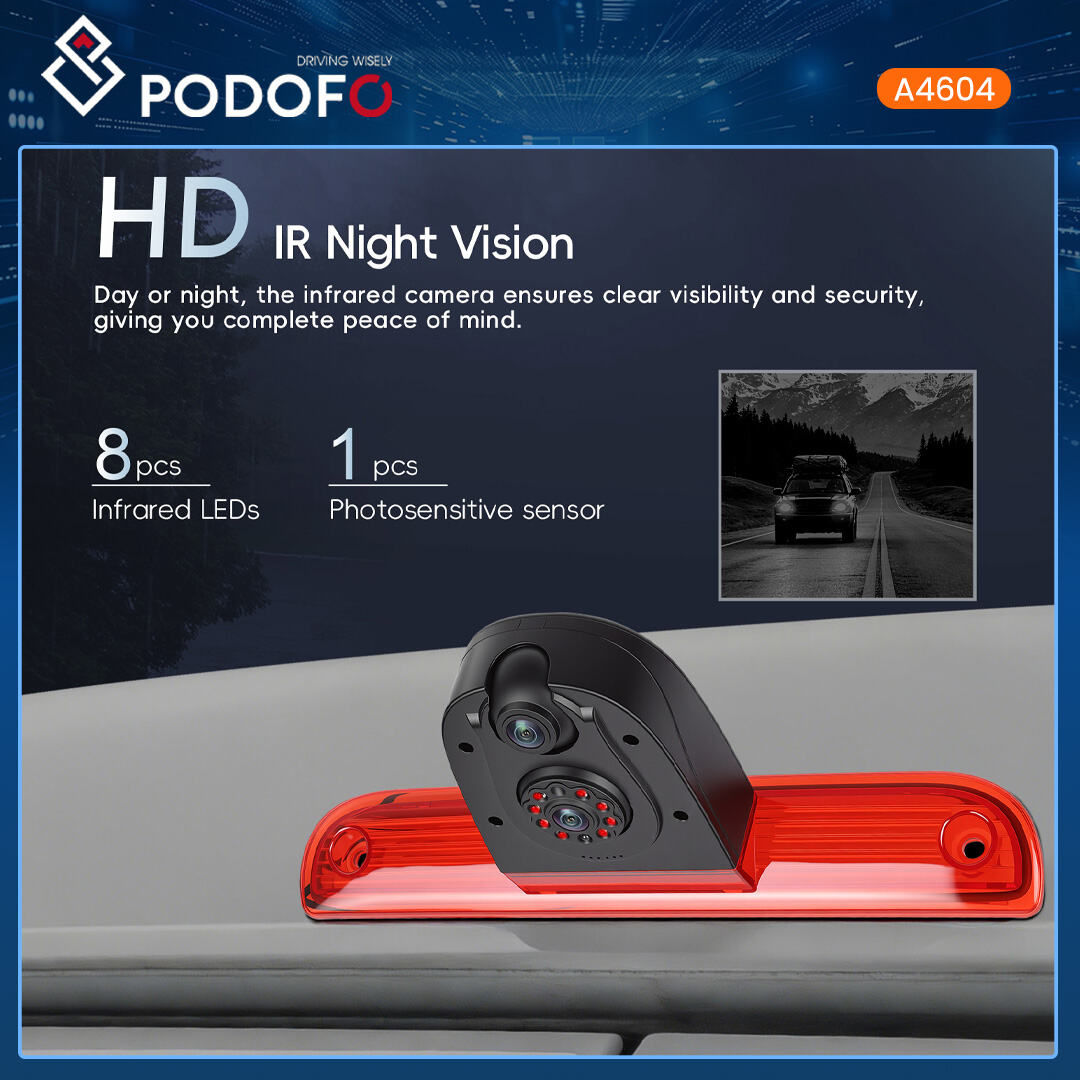
reverse camera na may night vision
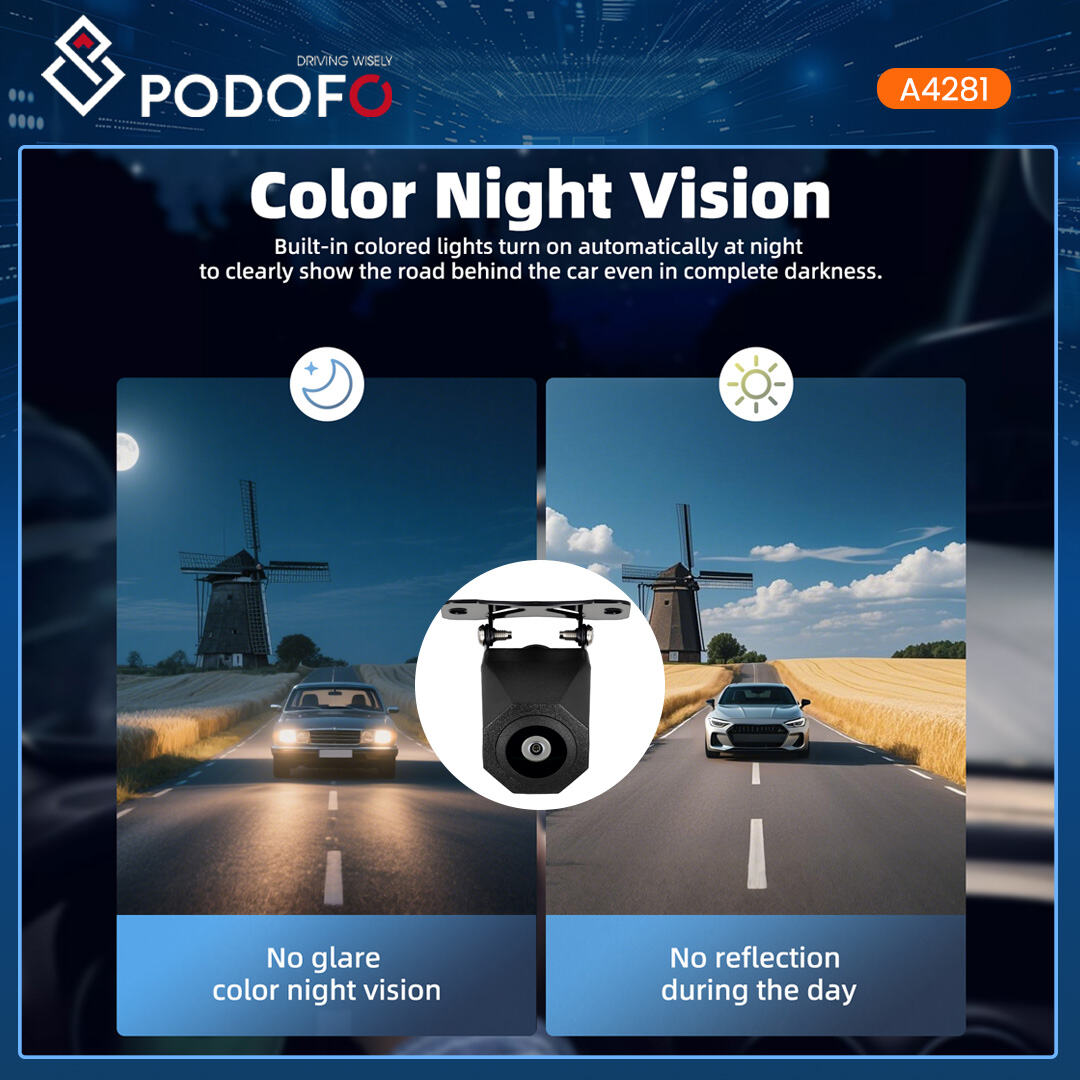
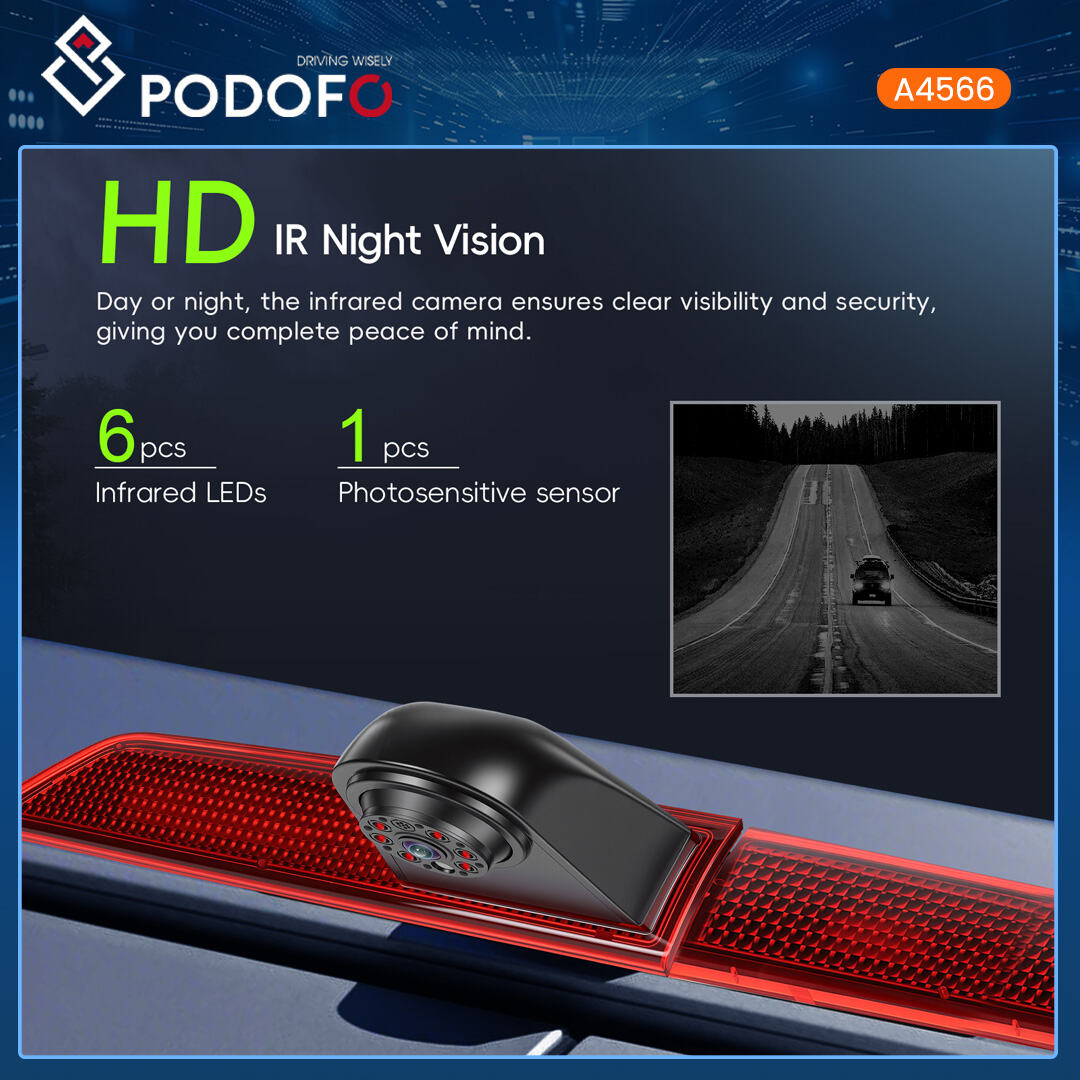
Ang isang kamera para sa reverse na may night vision ay kumakatawan sa isang mahalagang pagpapabuti sa kaligtasan para sa mga modernong sasakyan, na nagkakasama ang advanced na teknolohiya sa imaging at praktikal na tulong sa pagmamaneho. Ang espesyalisadong sistema ng kamera para sa sasakyan na ito ay nagpapahintulot sa mga driver na makita nang malinaw ang likuran ng kanilang sasakyan kahit sa ganap na kadiliman o sa mga kondisyong may kaunting liwanag. Hindi tulad ng karaniwang backup camera na nahihirapan kapag bumababa ang likas na liwanag, ang night vision reverse camera ay gumagamit ng teknolohiyang infrared at mga sensor na sensitibo sa liwanag upang makuhang detalyadong imahe anuman ang antas ng ambient lighting. Ang pangunahing tungkulin nito ay magbigay ng real-time na video feed sa isang display screen sa loob ng sasakyan, na nagpapahintulot sa mga driver na subaybayan ang lugar nang direkta sa likuran ng kanilang kotse habang nagba-back up. Kasama sa mga tampok ng teknolohiya nito ang mataas na resolusyon na image sensor, na karaniwang nasa hanay mula 720p hanggang 1080p, infrared LED illumination na hindi nakikita ng mata ng tao, wide-angle na lens na sumasakop sa 120 hanggang 170 degrees, at weatherproof na housing na idinisenyo upang tumagal sa ulan, snow, at ekstremong temperatura. Maraming sistema ng night vision reverse camera ang may awtomatikong aktibasyon kapag inililipat ng sasakyan ang gear sa reverse, intelligent guidelines na ipinapakita sa display upang ipahiwatig ang projected path ng sasakyan, at anti-glare na teknolohiya na pinipigilan ang headlight washout mula sa mga sasakyan sa likod. Ang mga aplikasyon nito ay sumasaklaw sa iba’t ibang uri ng sasakyan, kabilang ang mga passenger car, SUV, truck, RV, commercial delivery van, at construction equipment. Lalo pang kapaki-pakinabang ang night vision reverse camera para sa mas malalaking sasakyan na may malalaking blind spot, para sa mga driver na madalas na nagpa-park sa mga lugar na kulang sa ilaw, at para sa sinumang nagbibigay-diin sa komprehensibong mga hakbang sa kaligtasan. Ang pag-install nito ay kadalasang kasali ang pag-mount ng camera malapit sa lugar ng license plate, pagdaan ng mga kable sa loob ng sasakyan patungo sa power source at display unit, at pagka-kalibrate ng viewing angle para sa optimal na saklaw. Ang mga modernong yunit ng night vision reverse camera ay madalas na seamless na nakai-integrate sa umiiral na infotainment system o kasama ang dedikadong monitor. Ang teknolohiya ay lubos nang umunlad, kung saan ang mga bagong modelo ay may mas mahusay na clarity sa gabi, mas mabilis na response time, at mas enhanced na durability na nag-aaseguro ng pare-parehong performance sa iba’t ibang kondisyong pangkapaligiran at sa mahabang operational lifespan.

 EN
EN