Best Dash Camera Systems - Complete Vehicle Protection and Recording Solutions

Get a Free Quote

Our representative will contact you soon.
Email
Name
Company Name
Client Types
Message
0/1000

dash camera

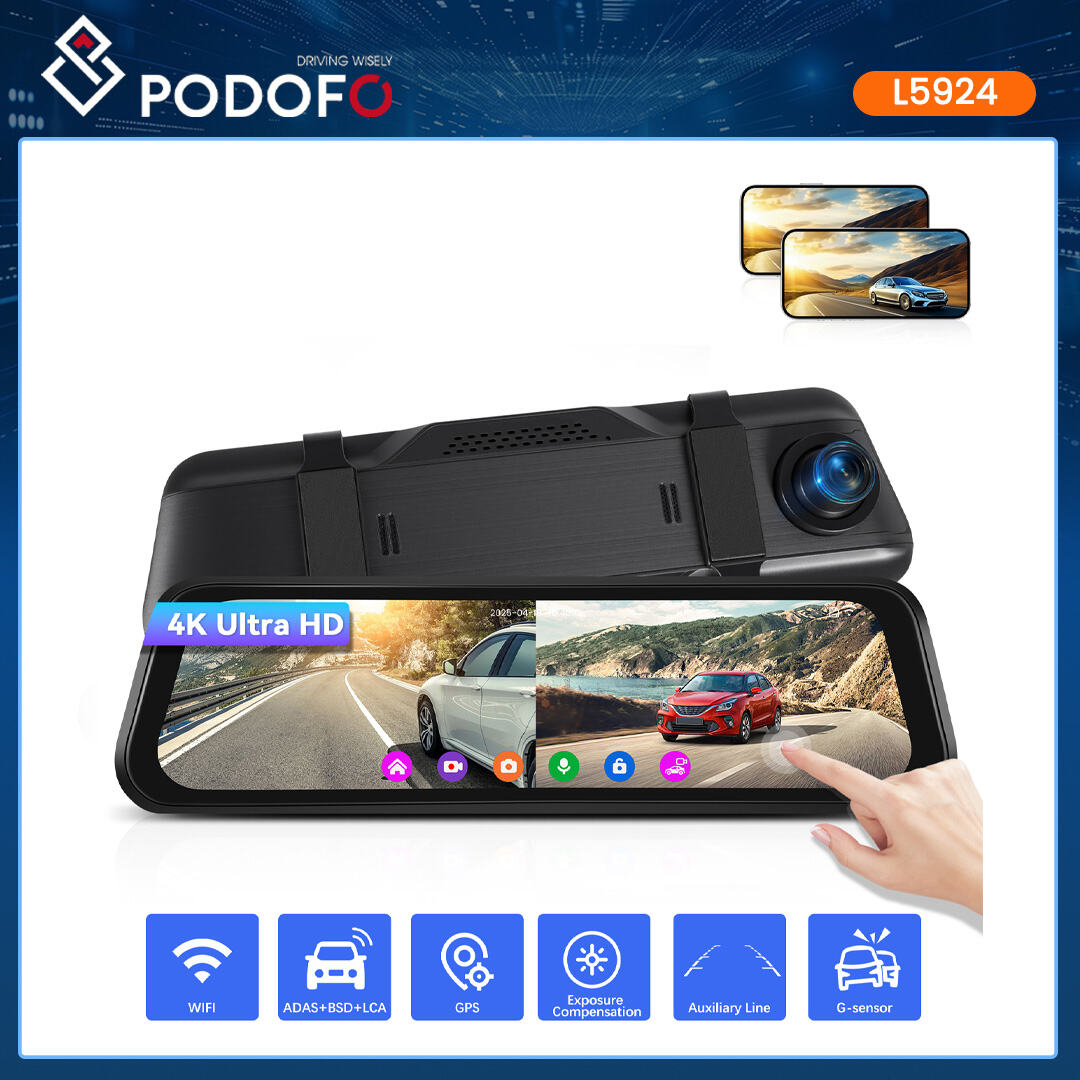
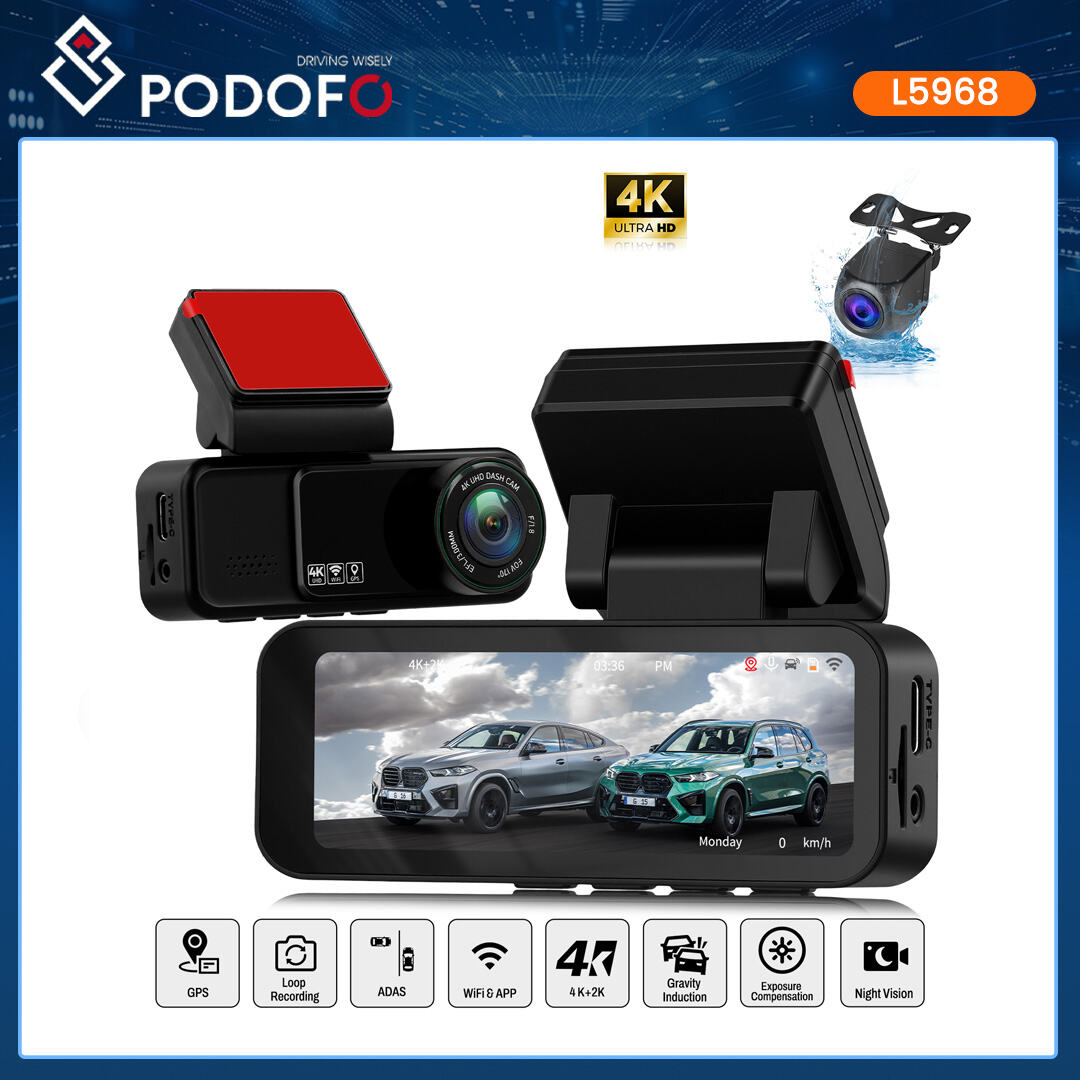
A dash camera represents an essential automotive accessory that mounts on your vehicle's dashboard or windshield to record continuous footage of your driving journey. This compact recording device captures high-definition video evidence of everything happening on the road ahead, and in many cases, behind your vehicle as well. Modern dash cameras have evolved from simple recording tools into sophisticated safety systems equipped with advanced technological features. These devices typically include wide-angle lenses that capture expansive views of the road, ensuring comprehensive coverage of traffic situations and potential incidents. The core functionality revolves around loop recording, which automatically overwrites old footage when storage becomes full, ensuring continuous operation without manual intervention. Most dash cameras activate automatically when you start your vehicle's engine, eliminating the need for daily manual operation. The built-in G-sensor technology detects sudden movements or impacts, immediately protecting relevant footage from being overwritten, preserving critical evidence during accidents or collisions. Contemporary dash camera models incorporate GPS modules that track your vehicle's location, speed, and route, embedding this data directly into video files for comprehensive trip documentation. Night vision capabilities utilizing infrared technology or enhanced sensors ensure clear recording quality even in low-light conditions or complete darkness. Parking mode functionality allows the device to monitor your vehicle while parked, activating recording when motion or impact is detected, providing security against vandalism, hit-and-run incidents, or theft attempts. Applications extend beyond personal vehicles to include commercial fleets, rideshare drivers, delivery services, and professional transportation companies. The footage serves multiple purposes: providing irrefutable evidence in insurance claims, protecting against fraudulent accident claims, monitoring teen drivers, capturing unexpected road events, and even recording scenic drives for personal enjoyment. Storage options range from microSD cards to cloud-based solutions, offering flexibility in managing recorded content.

New Product Releases

Investing in a dash camera delivers numerous practical benefits that protect both your vehicle and financial interests. First and foremost, these devices provide concrete video evidence during traffic accidents, eliminating the confusion and conflicting stories that often complicate insurance claims. When collisions occur, your dash camera footage shows exactly what happened, who was at fault, and the precise sequence of events, accelerating claim processing and preventing unjust liability assignments. This evidence proves invaluable when dealing with insurance companies, often resulting in faster settlements and preventing premium increases from wrongful fault determinations. The presence of a dash camera actively discourages aggressive driving behaviors from other motorists who notice the recording device, as people tend to behave more responsibly when they know their actions are being documented. Protection against insurance fraud schemes, particularly staged accidents designed to extract settlement money, becomes significantly stronger with continuous video documentation. Your dash camera captures attempted fraud in real-time, protecting you from becoming a victim of these elaborate schemes. Parking surveillance capabilities mean your vehicle remains monitored even when you are away, capturing evidence of parking lot incidents, vandalism, or hit-and-run situations that would otherwise leave you without recourse. Parents gain peace of mind when monitoring newly licensed teen drivers, as the recorded footage allows reviewing driving habits, identifying areas needing improvement, and encouraging responsible behavior behind the wheel. Fleet managers utilize dash cameras to monitor employee driving patterns, reduce liability exposure, improve driver training programs, and decrease operational costs through better driving practices. The GPS functionality creates detailed travel logs automatically, useful for business mileage tracking, route verification, or simply remembering favorite destinations discovered during road trips. Lower insurance premiums become possible as many insurance providers offer discounts to policyholders who install dash cameras, recognizing the reduced risk and fraud prevention these devices provide. The psychological benefit of driving with increased confidence knowing you have protective documentation cannot be overstated, as this peace of mind enhances your overall driving experience. Captured footage occasionally records unexpected moments like meteor sightings, unusual weather phenomena, or interesting roadside events, providing entertainment value beyond the primary safety functions. Installation simplicity means most vehicle owners can set up their dash camera within minutes without professional assistance, while the devices operate automatically thereafter, requiring minimal maintenance beyond occasional memory card management.

Tips And Tricks

Where Will You Ride This Spring & Summer? 5 Breathtaking European Motorcycle Routes to Explore in 2026

11

Mar

Where Will You Ride This Spring & Summer? 5 Breathtaking European Motorcycle Routes to Explore in 2026

Europe offers some of the most spectacular motorcycle routes in the world, combining stunning landscapes, rich cultural heritage, and perfectly engineered roads that seem designed for two-wheeled adventures. As spring and summer 2026 approach, experi...
View More
Why More Riders Are Switching to Motorcycle CarPlay

25

Mar

Why More Riders Are Switching to Motorcycle CarPlay

The motorcycle industry is experiencing a technological revolution, with motorcycle CarPlay emerging as one of the most sought-after upgrades among modern riders. This shift represents more than just a tech trend—it reflects a fundamental chang...
View More
How Do Android CarPlay Device Suppliers Ensure Stable System Integration?

14

Apr

How Do Android CarPlay Device Suppliers Ensure Stable System Integration?

Android CarPlay device suppliers face complex technical challenges when delivering automotive infotainment systems that must seamlessly integrate with diverse vehicle platforms while maintaining reliable performance across various operating condition...
View More
What Opportunities Do Car Accessories Offer for Wholesale Buyers?

28

Apr

What Opportunities Do Car Accessories Offer for Wholesale Buyers?

The car accessories market represents a significant opportunity for wholesale buyers seeking profitable ventures in the automotive industry. With millions of vehicles on the road requiring upgrades, replacements, and enhancements, the demand for qual...
View More

Get a Free Quote

Our representative will contact you soon.
Email
Name
Company Name
Client Types
Message
0/1000

dash camera

Advanced Loop Recording Technology Ensures Continuous Protection

Advanced Loop Recording Technology Ensures Continuous Protection

The sophisticated loop recording system built into modern dash cameras represents a breakthrough in automotive safety technology that guarantees uninterrupted documentation of your driving experience. This intelligent recording method divides video footage into manageable segments, typically ranging from one to five minutes each, storing them sequentially on your memory card. When storage capacity reaches its limit, the system automatically identifies the oldest unprotected footage and overwrites it with new recordings, creating a continuous cycle that requires zero manual intervention from the driver. This elegant solution means your dash camera never stops recording due to full storage, eliminating the risk of missing critical moments because you forgot to clear old files. The system intelligently distinguishes between regular driving footage and protected files that must be preserved, such as recordings marked by the impact-detection G-sensor or manually saved clips you designated as important. Protected files remain immune to the automatic deletion process, ensuring crucial evidence from accidents, near-misses, or notable events stays safely stored until you deliberately remove them. The seamless nature of loop recording means you simply install your dash camera, insert a memory card, and forget about storage management for weeks or months at a time. Advanced models feature customizable segment lengths, allowing you to balance file management preferences with your specific recording needs. Shorter segments create more files but offer finer control over footage review, while longer segments reduce file quantities but may complicate locating specific moments within extended recordings. The buffer system employed by premium dash cameras begins recording several seconds before the G-sensor triggers, capturing the complete context surrounding sudden events rather than just the aftermath. This pre-event recording capability proves essential when analyzing accident causation, as it shows the actions and conditions leading up to impacts. Modern implementations incorporate wear-leveling algorithms that distribute write operations across the entire memory card, extending storage media lifespan significantly beyond what standard recording methods achieve. The technology accommodates various memory card capacities, with larger cards providing extended recording duration before loop overwrites begin. For example, a 128GB card recording at 1080p resolution might store approximately twenty to thirty hours of footage before recycling starts, while 4K recording reduces this duration proportionally due to larger file sizes. The reliability of loop recording has been proven through millions of real-world driving hours, establishing it as the industry-standard approach for dash camera operation.
Integrated G-Sensor Technology Provides Automatic Incident Detection

Integrated G-Sensor Technology Provides Automatic Incident Detection

The built-in G-sensor technology found in quality dash cameras serves as an intelligent guardian that automatically identifies and responds to significant vehicle movements or impacts without requiring any driver input. This sophisticated accelerometer continuously monitors your vehicle's motion across three axes, detecting sudden acceleration, harsh braking, sharp turns, or collision impacts that exceed normal driving parameters. When the sensor identifies such events, it immediately triggers protective measures that safeguard the relevant footage from automatic deletion during loop recording cycles, ensuring this critical evidence remains permanently stored until you choose to review or remove it. The sensitivity levels of modern G-sensors are typically adjustable through multiple settings, allowing you to calibrate the device according to your driving style, road conditions, and personal preferences. Higher sensitivity settings trigger protection more readily, capturing even minor incidents like pothole impacts or sudden stops, while lower sensitivity reserves protection for more significant events like actual collisions or severe maneuvers. This customization prevents unnecessary triggering from routine driving on rough roads while ensuring genuine incidents always receive proper documentation. The immediate response time of G-sensor activation means footage protection begins within milliseconds of impact detection, guaranteeing that the seconds before, during, and after an incident are all captured and secured. Many advanced systems provide visual or audible notifications when the G-sensor activates, alerting you that footage has been protected and allowing you to add manual notes or markers if desired. The three-axis monitoring capability distinguishes between different impact types, whether frontal collisions, side impacts, rear-end accidents, or rollover scenarios, ensuring comprehensive detection regardless of how an incident occurs. Premium dash camera models incorporate sophisticated algorithms that filter out false triggers from speed bumps, railroad crossings, or aggressive but controlled driving, reducing unnecessary protected files while maintaining vigilant incident detection. The protected footage typically includes not just the moment of impact but also a buffer period before and after the event, usually ranging from ten to thirty seconds in each direction, providing complete context for incident analysis. This technology proves particularly valuable in parking mode, where the G-sensor wakes the camera from standby when it detects impacts to your parked vehicle, automatically recording evidence of hit-and-run incidents or vandalism attempts. The data precision of modern G-sensors even records the force magnitude of detected impacts, information that can prove useful when assessing damage severity or supporting insurance claims with technical documentation.
Dual-Channel Recording Delivers Complete Vehicle Surroundings Coverage

Dual-Channel Recording Delivers Complete Vehicle Surroundings Coverage

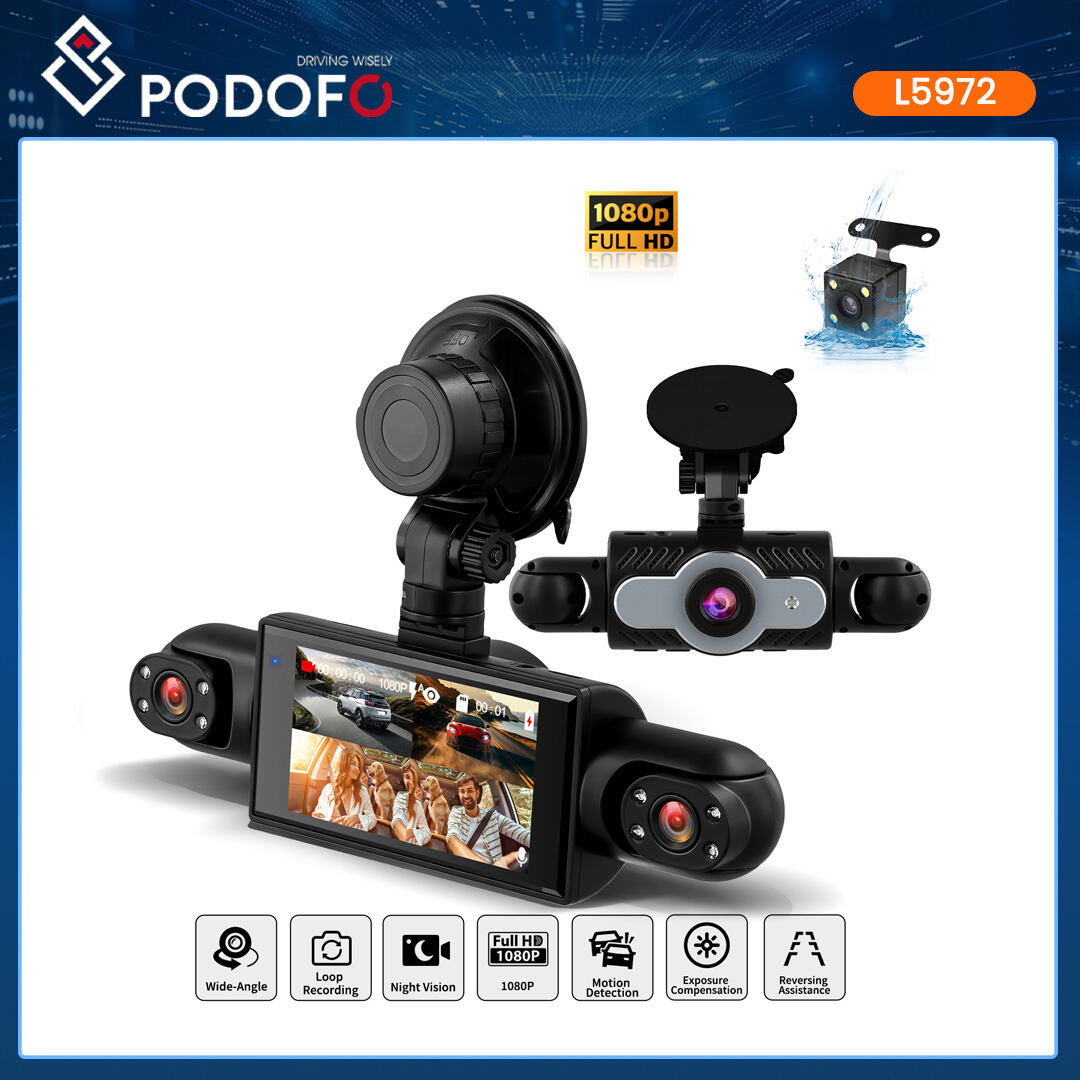
Dual-channel dash camera systems represent a significant advancement over single-lens configurations by simultaneously recording both the road ahead and the area behind your vehicle, providing comprehensive documentation of your complete driving environment. The front-facing camera captures everything occurring in front of your vehicle with wide-angle coverage typically spanning 140 to 170 degrees, while the rear camera monitors the traffic behind you, protecting against rear-end collisions and providing evidence of tailgating or aggressive following behavior. This dual-perspective approach eliminates blind spots in your video documentation, ensuring that incidents occurring from any direction receive proper recording and evidence preservation. The synchronized recording from both cameras creates timestamped footage that proves invaluable when reconstructing accident sequences, as investigators can view simultaneous perspectives of the same event, clarifying causation and fault determination. Rear camera functionality becomes especially critical when dealing with backing accidents, parking lot incidents, or situations where another vehicle strikes your car from behind, as these scenarios often involve disputed liability that clear video evidence immediately resolves. The interior-facing option available in some dual-channel systems monitors the vehicle cabin rather than the rear exterior, which rideshare drivers, taxi operators, and parents particularly value for documenting passenger behavior or teenage driver activities. Installation of dual-channel systems has been simplified by manufacturers who now provide extended cables, wireless connectivity options, and detailed instructions that enable straightforward setup without professional assistance. The rear camera typically mounts inside your vehicle near the rear windshield or can be positioned externally, depending on the model and your preferences, with weatherproof housing protecting external installations from environmental elements. Video quality from both channels usually matches or closely approximates each other, ensuring that rear footage provides the same evidentiary value as front recordings, though some systems prioritize front camera resolution slightly higher. The simultaneous recording capability requires more storage space and processing power compared to single-channel systems, but modern memory cards and efficient video compression make this increase manageable and worthwhile for the additional protection provided. Split-screen playback features in accompanying software allow viewing both channels simultaneously during footage review, offering complete situational awareness when analyzing recorded events. The psychological deterrent effect multiplies with visible dual cameras, as other drivers recognize the comprehensive monitoring and typically exercise greater caution around your vehicle. Professional drivers particularly benefit from dual-channel protection, as their increased road exposure elevates accident risk, and the comprehensive coverage helps defend against claims while also monitoring cargo areas or passenger compartments depending on camera configuration.

Get a Free Quote

Our representative will contact you soon.
Email
Name
Company Name
Client Types
Message
0/1000