EN
EN



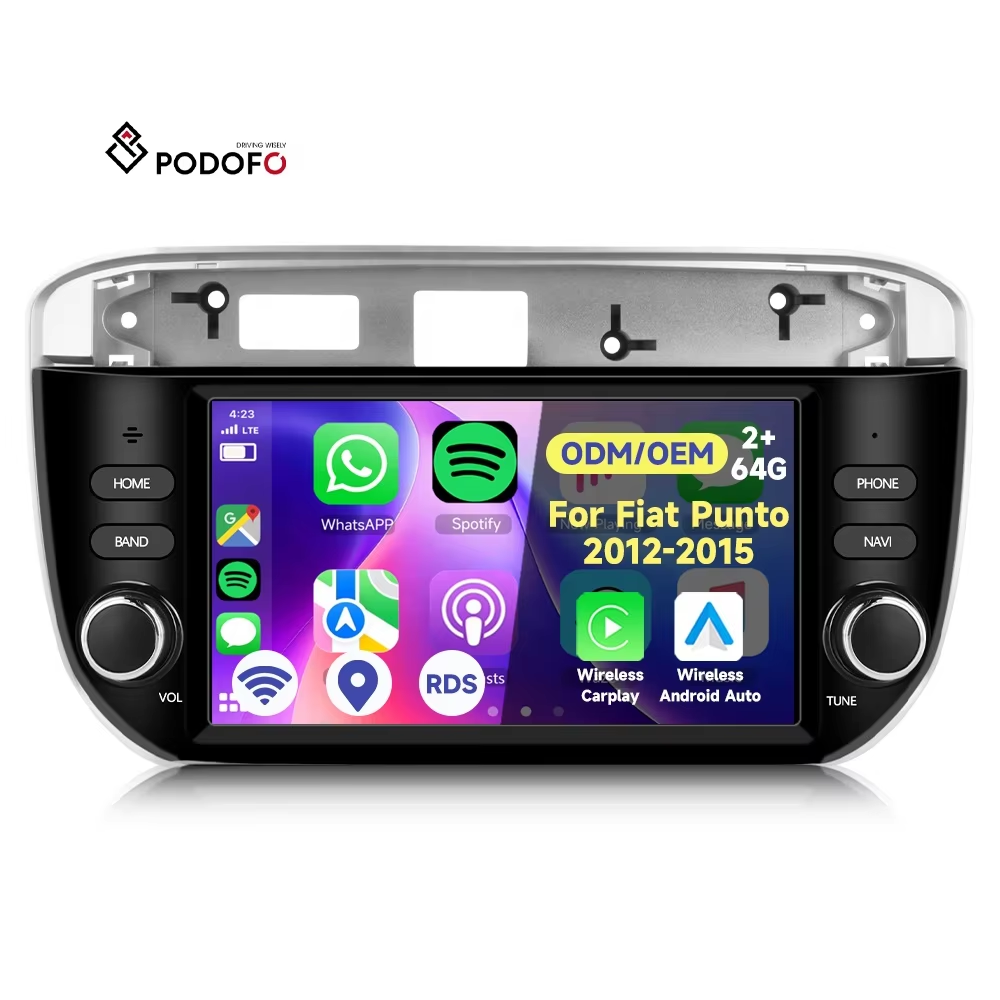
Android CarPlay device suppliers face complex technical challenges when delivering automotive infotainment systems that must seamlessly integrate with diverse vehicle platforms while maintaining reliable performance across various operating conditions. The integration process requires sophisticated engineering approaches that address hardware compatibility, software optimization, and real-time communication protocols between Android Auto, Apple CarPlay, and vehicle-specific systems.
Ensuring stable system integration requires Android CarPlay device suppliers to implement comprehensive testing protocols, establish robust quality assurance frameworks, and develop adaptive firmware solutions that can accommodate the unique electrical architectures found in different vehicle models. This systematic approach enables suppliers to deliver consistent user experiences while minimizing compatibility issues that could compromise system reliability or vehicle safety.
Hardware Compatibility Framework Development
Vehicle-Specific Wiring Harness Integration
Android CarPlay device suppliers develop specialized wiring harness configurations that ensure proper electrical connections between aftermarket head units and factory vehicle systems. These harnesses must accommodate varying voltage levels, signal types, and communication protocols specific to each vehicle manufacturer and model year. The integration process requires detailed analysis of factory wiring diagrams to identify power distribution patterns, speaker configurations, and existing infotainment system interfaces.
Suppliers conduct extensive electrical compatibility testing to verify that their devices can safely interface with vehicle electrical systems without causing interference or damage to sensitive electronic components. This testing includes validation of power consumption patterns, ground loop isolation, and electromagnetic compatibility to ensure that Android CarPlay functionality operates reliably within the vehicle's electrical environment.
The hardware integration framework also addresses physical mounting considerations, ensuring that devices fit properly within dashboard spaces while maintaining access to essential controls and maintaining the vehicle's aesthetic appeal. Suppliers provide detailed installation guidelines and mounting hardware specifically designed for different vehicle platforms to facilitate professional installation procedures.
CAN Bus Communication Protocol Support
Modern Android CarPlay device suppliers integrate advanced CAN bus communication capabilities that enable their systems to interact with vehicle control modules for steering wheel controls, climate information, and diagnostic data access. This integration requires understanding of vehicle-specific CAN protocol variations and implementing appropriate message filtering to prevent conflicts with existing vehicle systems.
The CAN bus integration process involves programming device firmware to recognize and respond to specific command sequences from steering wheel controls, allowing users to navigate Android Auto and Apple CarPlay interfaces without removing their hands from the steering wheel. Suppliers must ensure that their CAN bus implementations comply with automotive safety standards and do not interfere with critical vehicle functions.
Android CarPlay device suppliers also implement CAN bus error detection and recovery mechanisms that automatically restore communication if temporary disruptions occur during vehicle operation. These safety features prevent system lockups and ensure that essential vehicle functions remain accessible even if infotainment system communication experiences temporary interruptions.
Software Integration and Optimization Strategies
Real-Time Operating System Calibration
Android CarPlay device suppliers implement customized Android operating system configurations optimized for automotive applications, including modified memory management, power optimization, and thermal regulation specifically designed for vehicle environments. These modifications ensure that Android Auto and Apple CarPlay applications launch quickly and operate smoothly even under extreme temperature conditions or electrical variations commonly encountered in automotive settings.
The operating system calibration process includes fine-tuning processor scheduling algorithms to prioritize critical automotive functions while maintaining responsive performance for entertainment and navigation applications. Suppliers configure system resource allocation to ensure that safety-critical features like backup cameras and parking sensors maintain priority over less essential infotainment functions during simultaneous operation.
Android CarPlay device suppliers also implement specialized bootloader configurations that enable rapid system startup and recovery from unexpected shutdowns caused by vehicle ignition cycling or electrical disturbances. These optimizations reduce the time required for Android Auto and Apple CarPlay connectivity to become available after vehicle startup, improving overall user experience and system reliability.
Cross-Platform Compatibility Testing
Comprehensive compatibility testing protocols enable Android CarPlay device suppliers to validate system performance across different smartphone models, operating system versions, and connectivity methods including USB, wireless, and Bluetooth connections. This testing ensures that devices maintain consistent functionality regardless of the specific mobile device or connection method used by end users.
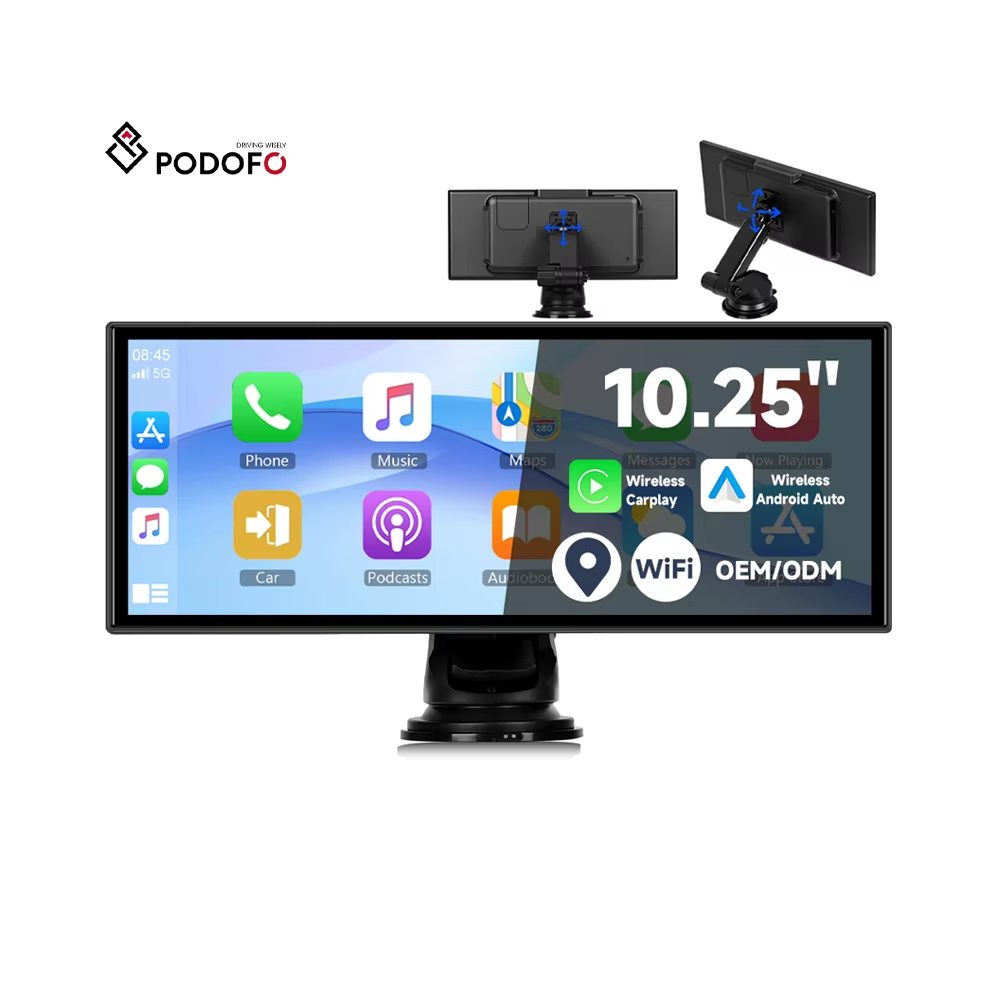
Testing procedures include validation of audio quality, video resolution scaling, touch response accuracy, and connection stability under various environmental conditions. Suppliers conduct extensive testing with different Android and iOS device generations to identify and resolve compatibility issues before product release, ensuring broad device support and reliable user experiences.
The compatibility testing framework also addresses potential conflicts between Android Auto and Apple CarPlay when users frequently switch between different smartphones or when multiple devices attempt to connect simultaneously. Suppliers implement intelligent connection management systems that prioritize connections and gracefully handle device switching scenarios without system crashes or data corruption.
Quality Assurance and Validation Processes
Environmental Stress Testing Protocols
Android CarPlay device suppliers implement rigorous environmental testing procedures that simulate extreme automotive conditions including temperature cycling, humidity exposure, vibration resistance, and electromagnetic interference scenarios. These tests ensure that devices maintain stable system integration performance throughout the expected service life under real-world vehicle operating conditions.
Temperature testing protocols verify system stability across automotive temperature ranges from sub-zero winter conditions to high-heat summer dashboard environments. Suppliers validate that Android Auto and Apple CarPlay functionality remains accessible and responsive even when internal component temperatures approach thermal limits, preventing system shutdowns during critical navigation or communication activities.
Vibration and shock testing procedures simulate road conditions, engine vibrations, and potential impact scenarios to ensure that internal components maintain proper connections and that software systems continue operating normally despite physical stress. These tests help suppliers identify potential failure modes and implement preventive design measures that enhance long-term reliability.
Long-Term Reliability Validation
Extended operation testing enables Android CarPlay device suppliers to identify potential degradation patterns in system integration performance over time, including memory leaks, storage wear, and component aging effects that could compromise stability during extended use periods. This testing typically involves continuous operation cycles that simulate years of typical automotive use within compressed timeframes.
Suppliers conduct accelerated aging tests on critical components including processors, memory modules, and storage devices to predict service life and identify optimal replacement intervals for professional installation environments. This data helps suppliers provide accurate warranty coverage and maintenance recommendations for their Android CarPlay integration solutions.
The validation process also includes monitoring system performance metrics during extended testing periods to detect gradual performance degradation that might not be apparent during short-term testing cycles. Suppliers use this data to optimize firmware update schedules and implement proactive maintenance features that help prevent system integration issues before they impact user experience.
Firmware Development and Update Management
Adaptive Integration Algorithms
Android CarPlay device suppliers develop intelligent firmware systems that can automatically detect and adapt to different vehicle configurations, reducing the need for manual calibration during installation while ensuring optimal integration performance across diverse automotive platforms. These adaptive algorithms analyze vehicle electrical characteristics and communication protocols to configure appropriate system parameters automatically.
The adaptive integration process includes automatic detection of steering wheel control configurations, audio system capabilities, and available vehicle data sources through CAN bus analysis. Suppliers implement machine learning algorithms that improve integration accuracy over time by analyzing successful installation patterns and optimizing configuration procedures for similar vehicle types.
Android CarPlay device suppliers also incorporate predictive integration capabilities that can anticipate potential compatibility issues based on vehicle identification data and pre-configure system parameters to prevent common integration problems. This proactive approach reduces installation time and minimizes the likelihood of post-installation system integration issues.
Remote Diagnostics and Troubleshooting
Advanced diagnostic capabilities enable Android CarPlay device suppliers to remotely monitor system integration performance and identify potential issues before they impact user experience. These systems collect anonymized performance data including connection stability, error frequencies, and resource utilization patterns that help suppliers optimize firmware updates and identify emerging compatibility issues.
Remote troubleshooting features allow suppliers to guide users through resolution procedures for common integration issues without requiring professional service visits. The diagnostic system can identify specific error conditions and provide step-by-step instructions for resolving connection problems, audio configuration issues, or software conflicts that might arise during normal operation.
Suppliers implement secure update delivery systems that can automatically install firmware improvements and bug fixes while vehicles are parked and connected to wireless networks. This capability ensures that Android CarPlay device integration continues to improve over time and maintains compatibility with evolving smartphone operating systems and vehicle software updates.
FAQ
What testing procedures do Android CarPlay device suppliers use to ensure compatibility with different vehicle models?
Android CarPlay device suppliers conduct comprehensive vehicle-specific testing that includes electrical compatibility validation, CAN bus communication verification, and physical fit testing across multiple vehicle platforms. This testing process involves analyzing factory wiring diagrams, validating power requirements, and ensuring that device installation does not interfere with existing vehicle systems or safety features.
How do suppliers address potential conflicts between Android Auto and Apple CarPlay when both systems are installed?
Suppliers implement intelligent connection management systems that automatically prioritize connections based on user preferences and device availability. These systems include conflict resolution algorithms that prevent simultaneous connections from causing system instability and provide seamless switching capabilities when users change between Android and iOS devices without requiring system restarts or manual reconfiguration.
What measures ensure long-term stability of Android CarPlay integration in harsh automotive environments?
Android CarPlay device suppliers implement extensive environmental testing including temperature cycling, vibration resistance, and electromagnetic interference validation to ensure stable operation under automotive conditions. Additionally, suppliers use automotive-grade components, implement thermal management systems, and conduct accelerated aging tests to validate long-term reliability and identify optimal maintenance schedules for professional installation environments.
How do suppliers handle firmware updates without disrupting vehicle system integration?
Suppliers design firmware update systems with rollback capabilities and staged deployment procedures that minimize the risk of integration disruption. Updates are typically delivered through secure wireless connections when vehicles are parked, and the update process includes automatic validation procedures that verify system integration integrity before completing the installation, ensuring that essential vehicle functions remain accessible throughout the update process.
Table of Contents
- Hardware Compatibility Framework Development
- Software Integration and Optimization Strategies
- Quality Assurance and Validation Processes
- Firmware Development and Update Management
-
FAQ
- What testing procedures do Android CarPlay device suppliers use to ensure compatibility with different vehicle models?
- How do suppliers address potential conflicts between Android Auto and Apple CarPlay when both systems are installed?
- What measures ensure long-term stability of Android CarPlay integration in harsh automotive environments?
- How do suppliers handle firmware updates without disrupting vehicle system integration?