EN
EN



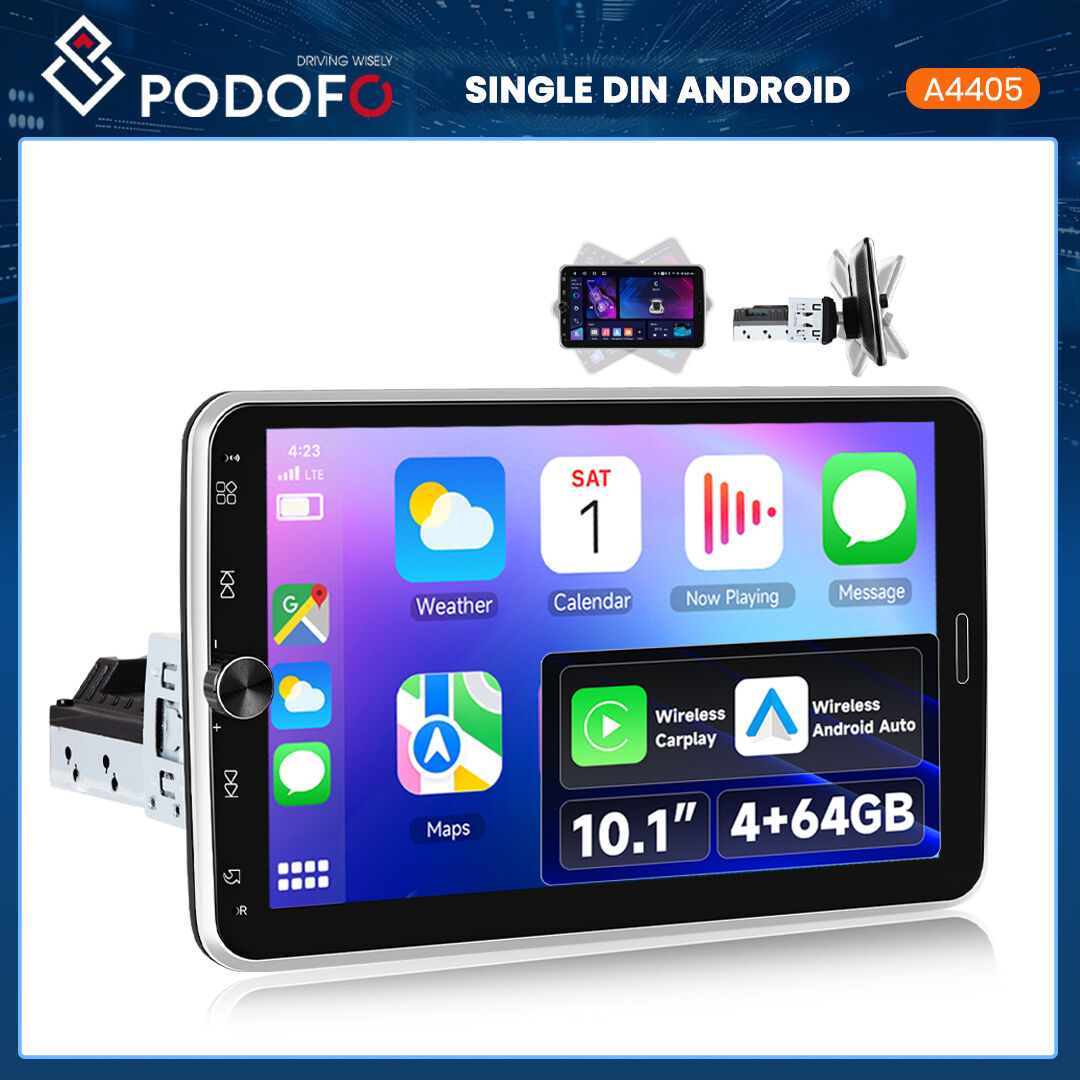
Modern driving demands more than just basic audio playback from vehicle entertainment systems. Today's car radio serves as a comprehensive command center that integrates navigation guidance, multimedia entertainment, and communication capabilities into a single cohesive interface. Understanding how these multifunctional devices enhance your daily commute and long-distance travel requires examining the technological convergence that transforms traditional car radios into intelligent automotive hubs. This evolution addresses the fundamental need for safer, more efficient, and more enjoyable driving experiences by consolidating critical functions into accessible, driver-friendly formats.
The integration of navigation systems, audio streaming platforms, and hands-free communication within a single car radio unit fundamentally changes how drivers interact with their vehicles. Rather than juggling multiple devices or struggling with dashboard-mounted smartphones, contemporary automotive audio systems provide unified control that keeps drivers focused on the road while accessing essential services. This article explores the specific mechanisms through which advanced car radio systems enhance each of these three critical functions, examining the technological features, practical applications, and real-world benefits that make these systems indispensable for modern vehicle owners.
Navigation Enhancement Through Integrated Car Radio Systems
GPS Integration and Real-Time Routing Capabilities
The incorporation of GPS technology directly into car radio systems eliminates the dependency on external navigation devices or smartphone mounts. Modern car radio units feature built-in GPS receivers that communicate with satellite networks to determine precise vehicle positioning within three to five meters of accuracy. This integrated approach allows the car radio to display turn-by-turn directions on large touchscreen interfaces that are positioned optimally within the driver's line of sight, reducing the need to glance away from the road. The system continuously recalculates routes based on current traffic conditions, construction zones, and road closures, providing dynamic navigation that adapts to real-world driving scenarios.
Unlike standalone navigation devices that require separate mounting and power sources, car radio navigation systems draw directly from vehicle electrical systems and occupy no additional dashboard space. The integration allows for seamless audio prompting that automatically lowers music or podcast volume when delivering turn instructions, ensuring drivers never miss critical navigation cues. Advanced car radio models incorporate multiple satellite positioning systems including GPS, GLONASS, and Galileo for enhanced accuracy in urban canyon environments and remote areas where single-system coverage may prove inadequate.
The touchscreen interfaces common in contemporary car radio systems provide intuitive map interaction through pinch-to-zoom gestures and simple destination search functions. Drivers can enter addresses through voice commands or on-screen keyboards without handling secondary devices, maintaining better situational awareness throughout the route planning process. The visual hierarchy in navigation-enabled car radio displays prioritizes upcoming maneuvers, distance to destination, and estimated arrival times in clear, high-contrast formats that remain legible under various lighting conditions from bright sunlight to nighttime driving.
Points of Interest and Location-Based Services
Beyond basic routing, navigation-capable car radio systems provide comprehensive databases of points of interest including fuel stations, restaurants, hotels, and emergency services. These databases integrate with the navigation function to calculate not just routes to destinations but also convenient waypoints along planned journeys. When drivers need to locate the nearest gas station or find dining options near their exit, the car radio interface allows quick searches that display results sorted by distance, ratings, or specific amenities without requiring smartphone interaction.
The location awareness built into navigation-equipped car radio units enables context-sensitive features such as speed limit displays that show current road restrictions based on GPS position and map data. This safety-oriented functionality helps drivers maintain legal speeds in unfamiliar areas where posted limits may not be immediately visible. Some advanced car radio systems incorporate speed camera alerts and traffic enforcement zone warnings, further enhancing driver awareness of regulatory monitoring points along their routes.
Integration with online services through Wi-Fi or cellular connectivity allows modern car radio navigation systems to access real-time parking availability, fuel price comparisons, and business operating hours. This connected functionality transforms the car radio from a simple direction provider into a comprehensive travel assistant that helps drivers make informed decisions about stops and services along their journeys. The system can automatically suggest optimal refueling points based on current fuel prices and remaining range, or recommend rest stops during long trips according to driving duration and safety guidelines.
Music and Audio Entertainment Amplification
Multi-Source Audio Integration and Streaming Platforms
Contemporary car radio systems function as audio aggregators that consolidate numerous music sources into unified interfaces accessible through consistent control schemes. Traditional AM/FM radio tuners coexist with satellite radio receivers, USB media playback, Bluetooth audio streaming, and increasingly, direct integration with popular streaming platforms. This convergence allows drivers to switch seamlessly between listening to local radio broadcasts, personal music libraries stored on USB drives, and cloud-based streaming services like Spotify, Apple Music, or Pandora without changing devices or control methods.
The car radio interface typically provides steering wheel control integration, allowing drivers to adjust volume, skip tracks, and switch sources without removing hands from the wheel or eyes from the road. This physical control integration represents a significant safety enhancement compared to fumbling with smartphone controls or dashboard-mounted device interfaces during operation. Voice command capabilities in advanced systems further reduce manual interaction requirements, enabling drivers to request specific songs, artists, or playlists through natural language commands processed either locally or through connected smartphone assistants.
Audio quality represents another dimension where integrated car radio systems excel over auxiliary smartphone connections. Dedicated digital-to-analog converters and amplifier circuits within quality car radio units deliver superior sound reproduction compared to smartphone headphone outputs connected through auxiliary cables. The systems provide equalizer controls, sound staging adjustments, and speaker balance settings that allow customization of audio output to match specific vehicle acoustics and personal preferences, creating optimized listening environments tailored to individual cabins.
Display Integration and Album Artwork Visualization
The large touchscreen displays characteristic of modern car radio units provide visual feedback that enhances music enjoyment beyond what traditional head units offered. Album artwork, track information, and artist details appear prominently on screen, creating visual context for audio content that helps drivers identify songs quickly and navigate extensive music libraries efficiently. This visual component proves particularly valuable when browsing unfamiliar content from streaming services or rediscovering forgotten tracks in personal collections.
Split-screen capabilities in advanced car radio systems allow simultaneous display of navigation maps and audio information, ensuring drivers maintain awareness of routing while monitoring currently playing content. This multi-tasking display approach eliminates the need to switch between functional screens constantly, reducing cognitive load and minimizing distraction. The visual hierarchy in well-designed car radio interfaces ensures that safety-critical navigation information remains prominent while music metadata occupies secondary display areas that don't interfere with route guidance.
Customizable interface themes and display modes in contemporary car radio systems accommodate different lighting conditions and aesthetic preferences. Night modes reduce screen brightness and shift color palettes toward warmer tones that minimize glare and preserve night vision adaptation. The ability to adjust display characteristics ensures that the car radio interface remains comfortable and usable during dawn, daylight, dusk, and nighttime driving without causing visual fatigue or distraction from road conditions.
Hands-Free Calling Integration and Communication Safety
Bluetooth Connectivity and Phone System Integration
The integration of hands-free calling capabilities into car radio systems addresses the critical safety concern of distracted driving caused by handheld phone usage. Modern car radio units establish Bluetooth connections with smartphones automatically upon vehicle startup, making the calling functionality immediately available without requiring driver setup actions. This seamless pairing creates a consistent communication environment where incoming calls route through the vehicle audio system and microphone array without manual device handling.
The car radio interface displays caller identification information on screen, allowing drivers to make informed decisions about answering calls without glancing at separate phone screens. Call acceptance and rejection functions integrate with steering wheel controls or voice commands, enabling complete call management without hand removal from the steering wheel. During active calls, the car radio system automatically mutes or significantly reduces audio entertainment volume, ensuring clear communication while maintaining driver awareness of conversation content over ambient vehicle noise.
Advanced noise cancellation technologies in quality car radio systems employ multiple microphone arrays positioned strategically within the vehicle cabin to isolate driver voice from road noise, engine sounds, and wind interference. Digital signal processing algorithms analyze audio input from these microphones, selectively amplifying voice frequencies while suppressing background noise sources. This processing ensures that parties on the receiving end of calls experience clear communication comparable to stationary phone conversations, despite the challenging acoustic environment of moving vehicles.
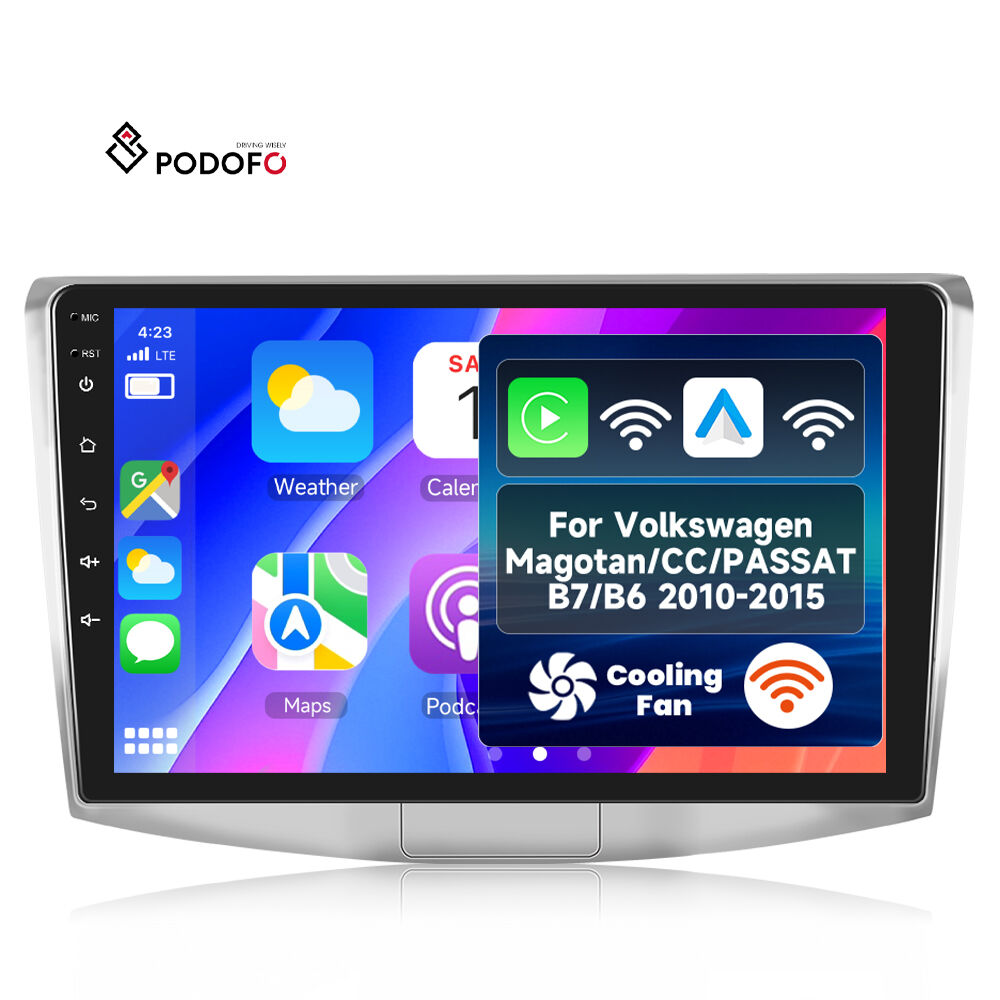
Contact Management and Voice Dialing Capabilities
Phone book synchronization features in contemporary car radio systems download contact lists from paired smartphones, making entire directories accessible through the vehicle interface. Drivers can browse contacts alphabetically, search by name through voice commands, or access recent call histories directly from the car radio touchscreen. This comprehensive contact integration eliminates the dangerous practice of handling phones to look up numbers or initiate calls while driving, instead consolidating all communication initiation functions within the safer vehicle control environment.
Voice dialing represents perhaps the safest calling method, allowing drivers to initiate calls through spoken commands without any visual attention diversion from the road. Advanced car radio systems process voice commands locally or through connected smartphone voice assistants, recognizing contact names and executing dialing sequences automatically. The accuracy of voice recognition in modern systems has improved dramatically through machine learning algorithms that adapt to individual speech patterns, regional accents, and common pronunciation variations, reducing command repetition and frustration.
Message notification and text-to-speech capabilities in full-featured car radio systems announce incoming text messages audibly and can read message content through synthesized speech. While sending messages while driving remains inadvisable and often illegal, this functionality allows drivers to stay informed of urgent communications without visual phone interaction. Some systems support voice-to-text response composition, though responsible usage dictates that such features should only be employed when safely parked or with passenger assistance.
System Integration and User Experience Optimization
Unified Interface Design and Control Consolidation
The true enhancement that modern car radio systems provide emerges from the unified interface design that presents navigation, music, and calling functions through consistent visual language and control schemes. Rather than forcing drivers to learn separate interaction paradigms for different functions, well-designed car radio interfaces employ consistent menu structures, icon systems, and gesture controls across all features. This design consistency reduces cognitive load during system interaction, allowing drivers to access desired functions quickly without extensive menu navigation or prolonged visual attention diversion.
Dashboard real estate optimization represents another significant advantage of integrated car radio systems. Where separate navigation units, audio systems, and communication devices would collectively occupy extensive space and create cluttered, confusing control environments, unified car radio systems consolidate everything into single touchscreen interfaces supplemented by steering wheel controls. This consolidation creates cleaner, more organized dashboards while actually expanding functional capabilities compared to multiple single-purpose devices.
The contextual awareness built into sophisticated car radio systems allows intelligent feature prioritization based on driving conditions and user behavior patterns. When navigation is active, the system gives prominence to routing information while keeping music and phone functions accessible through secondary menus. During highway cruising without active navigation, the interface might prioritize audio controls and contact access. This adaptive interface behavior ensures that the most relevant functions remain readily available without requiring manual mode switching or extensive menu traversal.
Smartphone Integration Platforms and Extended Ecosystems
Support for smartphone integration platforms like Apple CarPlay and Android Auto extends car radio capabilities by leveraging phone processing power and application ecosystems while maintaining vehicle-optimized interfaces. These platforms allow drivers to access favorite navigation apps, music streaming services, and messaging platforms through car radio displays designed specifically for automotive use with larger touch targets, simplified layouts, and reduced complexity compared to phone-native interfaces. The car radio acts as a safe display and control extension of the smartphone rather than requiring duplicate functionality or separate subscriptions.
Voice assistant integration through platforms like Siri, Google Assistant, or Amazon Alexa brings comprehensive smart capabilities into the vehicle environment through the car radio interface. Drivers can set reminders, check calendar appointments, control smart home devices, or query information databases using natural language commands processed through their preferred assistant platforms. The car radio handles audio input and output while routing processing to connected smartphones or cloud services, creating powerful functionality without requiring extensive onboard computing resources.
App ecosystem expansion through these integration platforms means that car radio functionality continuously evolves as developers release new applications and services. Navigation apps add features like crowdsourced traffic data and hazard alerts. Music services expand catalog offerings and introduce personalized recommendation algorithms. Communication apps add support for various messaging platforms and video calling services. The car radio serves as the stable, vehicle-integrated gateway that makes these evolving capabilities safely accessible in automotive contexts.
FAQ
What distinguishes modern car radio navigation from smartphone GPS apps?
Modern car radio navigation integrates directly with vehicle systems, providing larger displays positioned optimally within driver sight lines, automatic audio ducking for turn instructions, and steering wheel control integration that reduces distraction compared to dashboard-mounted phones. Built-in GPS receivers maintain functionality in areas without cellular coverage where smartphone apps may fail. The integration eliminates battery drain concerns and mounting device management, creating a more seamless, permanent navigation solution that doesn't require setup procedures during each drive.
How do car radio systems improve audio quality compared to auxiliary smartphone connections?
Dedicated digital-to-analog converters and amplifier circuits in quality car radio units provide superior signal processing compared to smartphone headphone outputs connected through auxiliary cables. The systems include parametric equalizers, time alignment controls, and dedicated amplifier channels that allow precise tuning to vehicle acoustic characteristics. Direct digital connections through USB or Bluetooth aptX codecs preserve audio fidelity better than analog auxiliary connections that introduce noise and signal degradation, resulting in clearer, more dynamic sound reproduction across the frequency spectrum.
Can hands-free calling through car radio systems really reduce accident risk?
Research indicates that hands-free calling significantly reduces physical distraction compared to handheld phone usage by keeping both hands available for vehicle control and eyes directed toward the road rather than down at phone screens. While cognitive distraction from conversation content remains a factor in both calling methods, the elimination of manual phone handling, visual attention diversion for screen reading, and physical awkwardness of holding devices represents measurable safety improvement. Steering wheel-integrated controls and voice command systems in car radio implementations further minimize interaction complexity compared to even hands-free phone speakerphone modes.
Do car radio systems work without smartphone connections?
Many modern car radio units include onboard navigation with preloaded maps, AM/FM/satellite radio tuners, USB media playback, and basic Bluetooth calling that function completely independently of smartphone connections. However, features like streaming music services, real-time traffic updates, smartphone app integration, and cloud-based voice assistants require phone connectivity to access those external services and data sources. The systems typically offer hybrid functionality where core features work standalone while enhanced capabilities activate when phones are connected, providing flexibility for various usage scenarios and user preferences.
Table of Contents
- Navigation Enhancement Through Integrated Car Radio Systems
- Music and Audio Entertainment Amplification
- Hands-Free Calling Integration and Communication Safety
- System Integration and User Experience Optimization
-
FAQ
- What distinguishes modern car radio navigation from smartphone GPS apps?
- How do car radio systems improve audio quality compared to auxiliary smartphone connections?
- Can hands-free calling through car radio systems really reduce accident risk?
- Do car radio systems work without smartphone connections?