EN
EN



Installing a dash cam has become an essential decision for drivers seeking to protect themselves on the road, but understanding precisely how this technology enhances driving security requires looking beyond simple accident recording. Modern dash cam systems function as comprehensive security tools that address multiple vulnerability points throughout the driving experience, from documenting unexpected incidents to deterring criminal activity and providing critical evidence when disputes arise. The security enhancement provided by dash cam installation operates through several interconnected mechanisms that work together to create layers of protection for both the vehicle and its occupants.
The question of how dash cam installation enhances security cannot be answered with a single benefit because these devices create value through multiple simultaneous functions. When properly installed and configured, a dash cam becomes a silent witness that operates continuously, capturing visual evidence that proves invaluable during insurance claims, legal proceedings, and security investigations. Beyond the immediate recording function, the presence of a dash cam influences driver behavior, affects how other road users interact with your vehicle, and provides peace of mind that transforms the entire driving experience into one with measurable security improvements.
Evidentiary Documentation and Incident Protection
Continuous Recording Creates Reliable Timeline Documentation
The primary security enhancement from dash cam installation stems from continuous video recording that captures everything happening on the road. Unlike human memory, which becomes unreliable during stressful events, a dash cam provides objective documentation of traffic incidents with precise timestamps and GPS coordinates when available. This continuous recording function means that every collision, near-miss, aggressive driving encounter, or unusual road event gets captured without requiring the driver to anticipate the incident or manually activate recording.
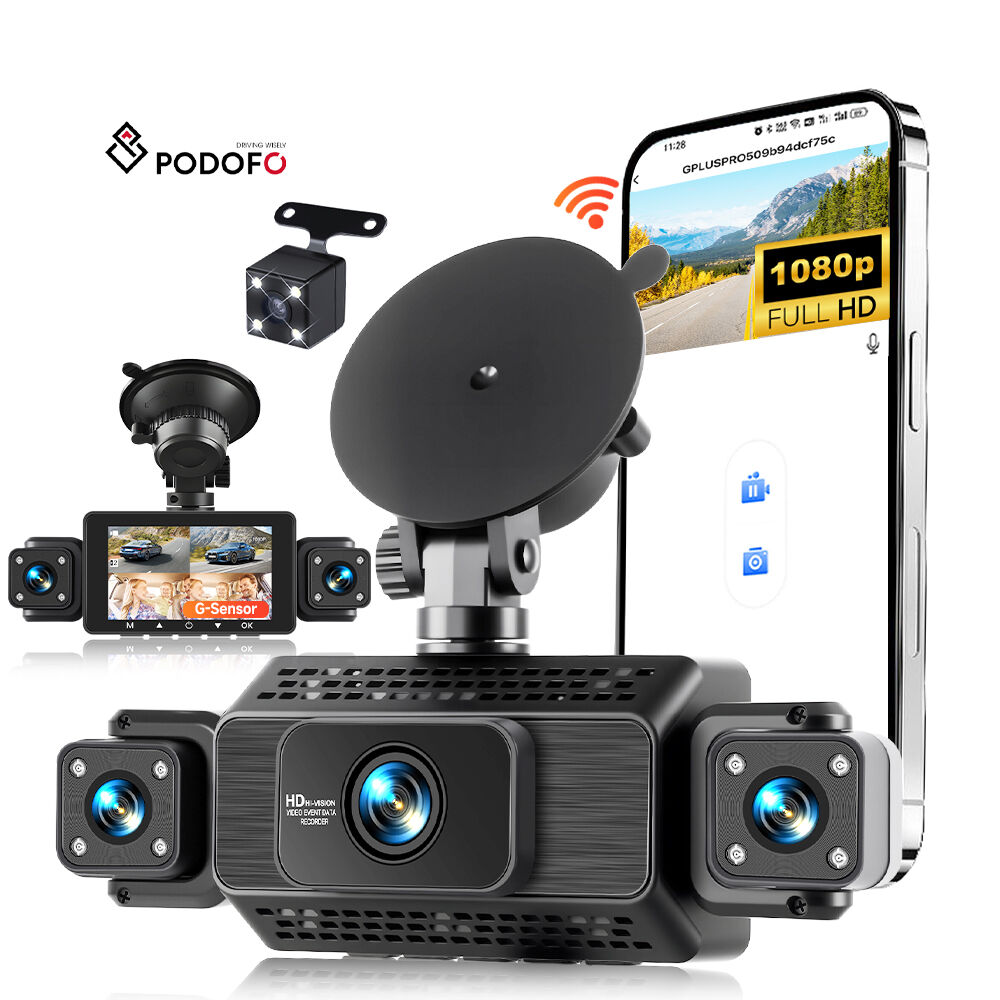
Advanced dash cam systems record on loop, automatically overwriting older footage while preserving critical moments through G-sensor activation. When sudden deceleration, acceleration, or impact occurs, the dash cam locks the relevant footage segments, preventing them from being overwritten. This automated preservation ensures that important security-related incidents remain available for review without requiring driver intervention during moments when attention must remain focused on vehicle control and safety response.
The evidentiary value of dash cam footage extends beyond major accidents to include documentation of traffic violations by other drivers, road rage incidents, and attempts at insurance fraud. When another driver runs a red light and causes a collision, the dash cam provides irrefutable evidence of fault. When a pedestrian deliberately stages an accident for insurance purposes, the dash cam reveals the fraudulent nature of the claim. This comprehensive documentation capability transforms the dash cam from a passive recorder into an active security tool that protects drivers from false accusations and liability disputes.
Multi-Angle Coverage Eliminates Blind Spots in Security Recording
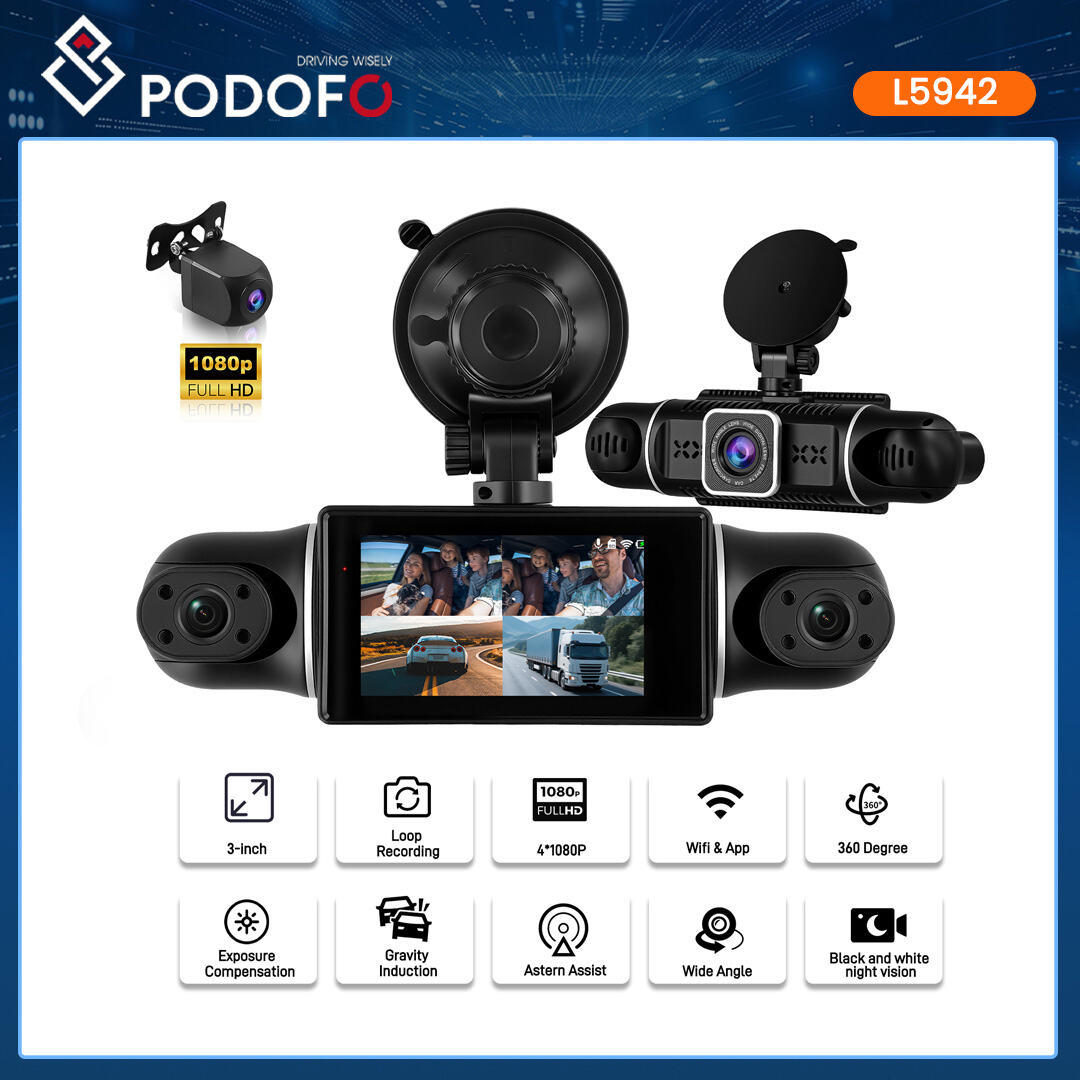
Modern dash cam systems with multiple lenses provide security coverage that extends beyond the forward-facing view to include sides and rear perspectives. Four-channel dash cam configurations capture simultaneous footage from front, rear, and both sides of the vehicle, creating comprehensive visual documentation that eliminates security blind spots. This multi-angle coverage proves essential when incidents occur at intersections, during lane changes, or when other vehicles approach from unexpected directions.
The security enhancement from multi-lens dash cam installation becomes particularly evident in parking situations where vandalism, hit-and-run incidents, and theft attempts typically occur outside the driver's field of view. Rear-facing cameras document vehicles approaching from behind in parking lots, while side cameras capture door-ding incidents and side-swipe attempts. This expanded coverage transforms the dash cam security function from documenting road incidents to providing comprehensive vehicle protection throughout the entire ownership experience.
High-resolution recording at 1080p or higher ensures that captured footage contains sufficient detail for license plate identification, facial recognition when necessary, and clear documentation of vehicle damage sequences. The combination of multiple recording angles with high-definition capture creates security documentation that meets evidentiary standards for insurance claims, police investigations, and civil litigation when disputes cannot be resolved through normal channels.
Deterrent Effect and Behavioral Influence on Security
Visible Recording Technology Modifies Interaction Patterns
The security enhancement from dash cam installation includes a significant deterrent effect that operates before incidents occur. When other drivers notice dash cam presence through external indicators or rear-window displays, their behavior often moderates, reducing aggressive driving, tailgating, and confrontational interactions. This deterrent function works similarly to security cameras in commercial settings, where visible monitoring equipment discourages problematic behavior before it escalates into security incidents requiring documentation or intervention.
Professional drivers who interact with vehicles displaying dash cam indicators report increased caution and reduced risk-taking behavior. The knowledge that actions are being recorded creates accountability that influences decision-making in real-time traffic situations. Would-be vandals and thieves confronted with dash cam stickers or visible recording indicators often select different targets, redirecting criminal activity away from protected vehicles toward those without obvious security measures.
The behavioral deterrent extends to accident staging and insurance fraud attempts, which have become increasingly common in certain regions. Fraudsters specifically target vehicles without visible recording equipment because successful fraud requires the absence of objective evidence contradicting false claims. Dash cam installation eliminates this vulnerability, making the equipped vehicle an unattractive target for deliberate collision schemes and fraudulent injury claims.
Driver Self-Monitoring Improves Safety Practices
Installing a dash cam creates a self-monitoring effect that enhances security through improved driver behavior. Knowing that driving actions are being recorded encourages more careful attention to speed limits, following distances, and traffic signal compliance. This self-accountability function proves particularly valuable for new drivers, elderly drivers, and those working to improve specific aspects of their driving habits.
Fleet managers have documented significant safety improvements when commercial vehicles receive dash cam installations, with reduced accident rates, fewer traffic violations, and improved fuel efficiency from smoother driving patterns. While personal vehicle owners may not conduct formal analysis of their dash cam footage, the psychological awareness of recording presence creates similar behavioral modifications that reduce accident risk and enhance overall driving security.
Parents installing dash cam systems in vehicles driven by teenage children gain security benefits through both monitoring capability and the behavioral influence of known recording. The dash cam provides documentation of driving habits that can inform coaching conversations while simultaneously encouraging safer decision-making when adult supervision is not present. This dual security function addresses both immediate accident prevention and long-term skill development that reduces lifetime driving risk.
Parking Mode Security and Unattended Vehicle Protection
Motion Detection Enables Security Monitoring Without Engine Operation
Advanced dash cam systems offer parking mode functionality that continues security monitoring even when the vehicle is unattended and the engine is off. Motion detection sensors activate recording when movement occurs near the vehicle, capturing potential vandalism, theft attempts, and hit-and-run incidents that would otherwise go undocumented. This parking mode security represents a significant enhancement over traditional dash cam systems that only operate while the vehicle runs.
The security value of parking mode becomes evident in high-traffic parking areas where minor collisions frequently occur without the responsible party leaving contact information. Dash cam footage captured during parking mode provides license plate numbers and vehicle descriptions that enable insurance companies and law enforcement to identify responsible parties. Without this documentation, vehicle owners face out-of-pocket repair costs for damage they did not cause, making parking mode a critical security feature for urban drivers.
Time-lapse recording during extended parking periods balances security coverage with storage capacity limitations, capturing periodic frames that document the parking environment without consuming excessive memory. When suspicious activity occurs, the dash cam switches to full-resolution continuous recording, ensuring that security-relevant events receive complete documentation while routine periods utilize efficient storage strategies.
Impact Detection Triggers Emergency Recording Preservation
Parking mode dash cam security includes impact detection that activates recording and locks footage when the vehicle experiences sudden force. This function proves essential for documenting hit-and-run incidents in parking lots, shopping centers, and residential areas where the vehicle owner cannot maintain visual contact. The G-sensor technology that enables impact detection operates continuously during parking mode, providing security coverage that extends throughout the entire parking duration.
The combination of motion detection and impact sensing creates layered security monitoring that addresses different threat scenarios. Motion detection captures approaching individuals and vehicles before contact occurs, while impact detection ensures that collisions trigger immediate high-priority recording. Together, these functions provide comprehensive parking security that dramatically reduces vulnerability during unattended periods.
Battery management systems in modern dash cam installations prevent parking mode security functions from draining the vehicle battery to levels that prevent starting. Voltage monitoring automatically disables parking mode when battery charge drops below safe thresholds, ensuring that security monitoring never compromises vehicle operability. This intelligent power management makes parking mode a practical security enhancement rather than a convenience-versus-reliability tradeoff.
Insurance and Legal Protection Through Documented Evidence
Claim Resolution Acceleration Reduces Financial and Time Costs
Dash cam installation enhances financial security by accelerating insurance claim resolution and reducing disputed liability situations. Insurance adjusters treat dash cam footage as highly reliable evidence that quickly establishes fault determination, eliminating prolonged investigations that delay claim settlement. This acceleration benefits policyholders through faster vehicle repairs, reduced rental car expenses, and minimized disruption to normal activities.
The financial security enhancement extends beyond individual claim processing to include potential premium reductions offered by insurance companies that recognize the risk mitigation value of dash cam installation. Some insurers provide policy discounts for vehicles equipped with dash cam systems, acknowledging that recorded evidence reduces fraudulent claims, simplifies investigations, and improves accuracy in fault determination. These premium reductions create ongoing financial benefits that accumulate over the lifetime of vehicle ownership.
Dash cam footage eliminates he-said-she-said disputes that often result in shared liability determinations even when one party bears complete responsibility for an accident. By providing objective documentation of traffic conditions, signal status, and vehicle actions immediately before collision, the dash cam ensures that fault assignment reflects actual events rather than subjective interpretations or persuasive storytelling. This accuracy in liability determination protects drivers from insurance rate increases resulting from accidents they did not cause.
Legal Proceedings Benefit From Timestamped Visual Records
When traffic incidents escalate to legal proceedings, dash cam footage provides courtroom-admissible evidence that judges and juries find highly persuasive. The combination of continuous recording, timestamp documentation, and objective perspective makes dash cam evidence more reliable than witness testimony, which suffers from memory limitations, perception biases, and emotional influences. This evidentiary strength enhances security by protecting drivers from adverse legal outcomes based on inaccurate or incomplete information.
Traffic violation defense becomes significantly more effective when dash cam footage documents actual road conditions and driver actions. Contested speeding tickets, disputed red light violations, and questioned right-of-way determinations can be resolved through dash cam review that shows precise vehicle positions and timing sequences. This documentation capability provides security against unjust fines, license points, and insurance rate increases resulting from traffic citations.
The legal protection value of dash cam installation extends to serious incidents involving injury claims, criminal charges, and civil litigation. When accidents result in disputed injury severity or questioned causation, dash cam footage provides objective documentation of impact forces, vehicle speeds, and collision dynamics. This evidence proves essential in defending against exaggerated injury claims and establishing accurate causal relationships between accidents and claimed damages.
Night Vision and Adverse Condition Security Enhancement
Low-Light Recording Maintains Security Coverage After Dark
Modern dash cam systems incorporate night vision technology that maintains security recording effectiveness in low-light conditions when many incidents occur. Infrared sensors, wide-aperture lenses, and image processing algorithms work together to capture usable footage during nighttime driving, ensuring that security protection does not diminish when visibility decreases. This night vision capability addresses a critical security gap because accident rates increase during darkness, yet standard cameras struggle to document incidents without adequate lighting.
The security enhancement from night vision extends beyond basic incident documentation to include license plate capture in darkness, which proves essential for identifying hit-and-run drivers and documenting vehicles involved in aggressive driving incidents. Advanced dash cam systems adjust exposure settings automatically to balance overall scene visibility with the high contrast required for license plate legibility, ensuring that critical identification information remains captured regardless of ambient lighting conditions.
Parking mode security during nighttime hours relies heavily on night vision capability to document vandalism, theft attempts, and unauthorized vehicle access in poorly lit parking areas. Without effective low-light recording, dash cam security coverage would operate only during daylight hours, leaving vehicles vulnerable throughout evening and overnight periods when criminal activity peaks. Night vision technology eliminates this vulnerability, providing consistent security monitoring across all hours.
Weather Resistance Ensures Continuous Security Operation
Dash cam security enhancement depends on reliable operation during adverse weather conditions when accident risk increases substantially. Rain, snow, fog, and extreme temperatures challenge both driving safety and recording equipment performance, making weather-resistant dash cam design essential for consistent security coverage. Modern systems incorporate temperature-rated components, moisture-sealed housings, and condensation-resistant lenses that maintain recording quality regardless of environmental conditions.
The security value of weather-resistant dash cam operation becomes evident during storm-related incidents when visibility limitations and slippery road surfaces increase collision frequency. Dash cam footage captured during adverse weather provides crucial documentation of how conditions influenced accident causation, helping establish whether drivers operated with appropriate caution given the circumstances. This documentation proves particularly valuable when disputes arise about reasonable driving behavior during challenging weather events.
Wide operating temperature ranges ensure that dash cam security functions remain operational in extreme heat and cold that would disable consumer-grade recording equipment. Summer temperatures inside parked vehicles regularly exceed 140°F in many regions, while winter conditions in northern climates can drop below -20°F. Dash cam systems designed for these extremes maintain recording capability throughout the full range of conditions encountered during normal vehicle operation, ensuring that security coverage never lapses due to environmental factors.
FAQ
Does a dash cam really prevent accidents from happening?
A dash cam does not physically prevent accidents but enhances security by influencing driver behavior and providing deterrent effects that reduce incident probability. The psychological awareness of being recorded encourages more cautious driving decisions, while visible dash cam presence discourages aggressive behavior from other drivers. Additionally, the ability to review driving footage helps identify risky habits that can be corrected before they lead to accidents. The primary security function remains documentation rather than prevention, but behavioral influences create measurable safety improvements that reduce overall accident risk for equipped vehicles.
How long does dash cam footage remain stored and accessible for security purposes?
Dash cam footage storage duration depends on memory card capacity, recording resolution, and whether loop recording or event-triggered preservation is active. Typical systems store several hours to several days of continuous footage before older files are overwritten, while G-sensor-protected incident clips remain preserved indefinitely until manually deleted. For maximum security benefit, users should regularly transfer important footage to external storage and use high-capacity memory cards rated for continuous recording. Cloud-connected dash cam systems offer extended storage through automatic upload of flagged incidents, providing long-term accessibility that enhances security value beyond local storage limitations.
Can dash cam footage be used against the driver who owns it?
Yes, dash cam footage represents objective evidence that can document driver errors or violations just as it documents the actions of others. This dual-edge nature means that footage showing the owner speeding, running red lights, or driving recklessly could be used by insurance companies, law enforcement, or opposing parties in litigation. However, the overall security enhancement from dash cam installation remains strongly positive because the footage protects against false accusations far more often than it documents owner fault. Drivers concerned about this aspect can choose systems that allow selective footage preservation and should drive lawfully knowing that their actions are being recorded.
What happens to dash cam security functionality if the memory card fails?
Memory card failure eliminates dash cam security functionality until the card is replaced, making card quality and maintenance essential for reliable protection. High-endurance memory cards specifically designed for continuous recording significantly reduce failure risk compared to standard cards not rated for dash cam use. Many advanced systems include card health monitoring that alerts users to performance degradation before complete failure occurs. For critical security applications, some users maintain spare memory cards for immediate replacement if failure occurs. Regular formatting and periodic card replacement based on manufacturer endurance ratings ensure that dash cam security coverage remains reliable throughout long-term operation.