EN
EN



The automotive industry has witnessed unprecedented transformation in recent years, with digital integration becoming a cornerstone of modern vehicle design. Among the most significant developments is the rapid expansion of Android Auto technology, which has fundamentally changed how drivers interact with their vehicles' infotainment systems. This Google-developed platform has evolved from a niche feature to a standard expectation among consumers, driving substantial growth across multiple market segments and reshaping the competitive landscape of automotive technology.
The explosive growth of Android Auto technology stems from a convergence of consumer demands, technological advances, and strategic industry partnerships that have created an ecosystem where seamless smartphone integration is no longer optional but essential. Understanding the driving forces behind this expansion reveals why automotive manufacturers, technology companies, and aftermarket suppliers are investing heavily in Android Auto compatibility and why this trend shows no signs of slowing down.
Consumer Demand Driving Android Auto Adoption
Smartphone Dependency and Mobile Lifestyle Integration
Modern consumers live increasingly mobile-centric lives, with smartphones serving as primary tools for navigation, communication, entertainment, and productivity. Android Auto technology addresses this reality by creating a bridge between personal devices and vehicle systems, allowing drivers to maintain their digital workflows without compromising safety or convenience. The platform's ability to mirror familiar Android interfaces within automotive environments has resonated strongly with users who expect consistent experiences across all their connected devices.
Research indicates that over 85% of drivers use their smartphones for navigation purposes, while more than 70% regularly stream music or podcasts during commutes. Android Auto technology satisfies these preferences by providing optimized interfaces that reduce cognitive load and minimize physical interaction with devices. This alignment between consumer behavior and technological capability has created sustained demand that continues to drive market growth across all vehicle segments.
Safety Consciousness and Hands-Free Operation
Growing awareness of distracted driving risks has significantly influenced consumer preferences toward hands-free technology solutions. Android Auto technology addresses these safety concerns by providing voice-activated controls, large touch targets, and simplified interfaces designed specifically for automotive environments. The platform's integration with Google Assistant enables natural language processing for navigation, communication, and media control, reducing the need for drivers to handle their devices directly.
Regulatory pressures and insurance considerations have further amplified demand for safer connectivity solutions. Many jurisdictions have implemented stricter hands-free driving laws, making Android Auto technology an attractive option for consumers seeking compliance without sacrificing functionality. The platform's proven ability to reduce driver distraction while maintaining full smartphone capability has positioned it as a preferred solution for safety-conscious buyers and fleet operators alike.
Technological Advantages Fueling Market Growth
Seamless Integration and Universal Compatibility
Android Auto technology's success stems largely from its ability to work across diverse hardware configurations and vehicle types without requiring extensive customization or specialized equipment. The platform's standardized communication protocols enable consistent performance whether integrated into factory infotainment systems or connected through aftermarket solutions. This universal compatibility has eliminated traditional barriers to adoption and expanded the addressable market significantly.
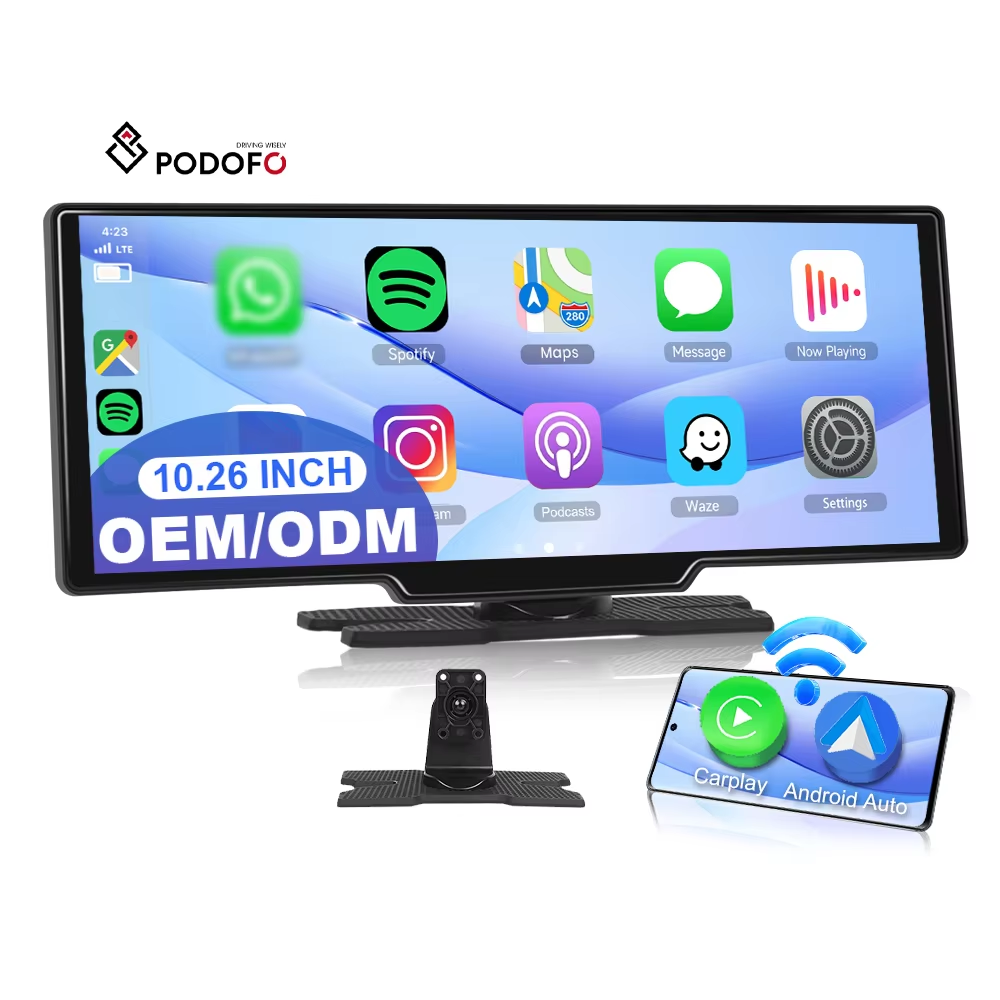
The technology's wireless connectivity capabilities have further enhanced its appeal by eliminating cable dependencies that previously limited user convenience. Modern implementations of Android Auto technology support Bluetooth and Wi-Fi connections that automatically establish when devices are in proximity, creating truly seamless user experiences. This evolution toward wireless operation has removed friction points that previously deterred adoption and has made the technology accessible to a broader range of vehicles and users.
Continuous Feature Enhancement and Cloud Integration
Unlike traditional automotive systems that require hardware updates for new features, Android Auto technology benefits from continuous software improvements delivered through regular updates. This cloud-based enhancement model ensures that users receive new capabilities, security patches, and performance optimizations without visiting service centers or purchasing new equipment. The platform's connection to Google's ecosystem provides access to constantly improving services including Maps, Assistant, and Play Store applications.
Machine learning integration within Android Auto technology enables personalized experiences that adapt to individual usage patterns and preferences. The system learns frequently visited destinations, preferred routes, music tastes, and communication habits to provide proactive suggestions and streamlined interactions. This intelligent functionality creates user loyalty and satisfaction levels that traditional static systems cannot match, contributing significantly to the platform's sustained growth trajectory.
Industry Partnerships and Ecosystem Development
Original Equipment Manufacturer Adoption
Major automotive manufacturers have embraced Android Auto technology as a competitive differentiator and consumer expectation rather than an optional feature. Leading brands including Ford, General Motors, Honda, Volkswagen, and numerous others have integrated the platform across their model lineups, creating widespread availability that has accelerated market penetration. These partnerships have established Android Auto technology as a standard offering rather than a premium upgrade, making it accessible to mass-market consumers.
The automotive industry's shift toward software-defined vehicles has aligned perfectly with Android Auto technology's cloud-based architecture and update capabilities. Manufacturers recognize that consumers increasingly evaluate vehicles based on their digital capabilities and connectivity features, making Android Auto compatibility essential for market competitiveness. This industry-wide adoption has created positive feedback loops that drive further development and investment in the platform.
Aftermarket Integration and Retrofit Solutions
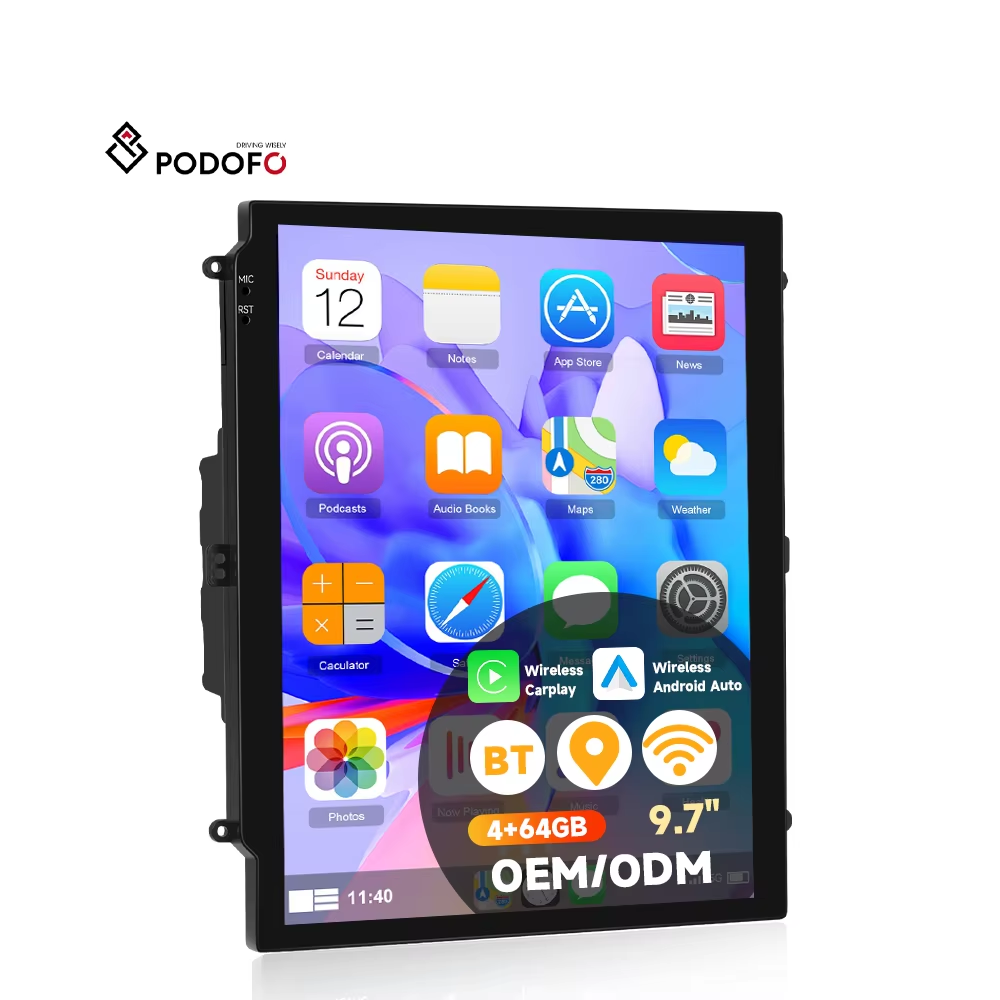
The aftermarket automotive electronics sector has experienced substantial growth driven by demand for Android Auto technology in older vehicles that lack factory integration. Companies specializing in retrofit solutions have developed sophisticated systems that bring modern connectivity to existing vehicle fleets, expanding the platform's reach beyond new car sales. These solutions often provide superior functionality compared to original equipment while offering cost-effective upgrade paths for consumers.
Professional installation networks and DIY-friendly products have made Android Auto technology accessible to virtually any vehicle regardless of age or original equipment specifications. This broad compatibility has created a thriving ecosystem of suppliers, installers, and support services that generate economic activity and job creation throughout the automotive technology sector. The aftermarket's embrace of Android Auto technology has effectively doubled the platform's addressable market by including legacy vehicles previously excluded from modern connectivity solutions.
Economic Impact and Market Dynamics
Revenue Generation and Value Creation
Android Auto technology has created substantial economic value across multiple industry segments, from automotive manufacturers to application developers and service providers. The platform's integration requirements have generated demand for compatible hardware, software development services, and ongoing support infrastructure that supports thousands of jobs and billions in revenue. Google's strategic approach of providing the core platform without licensing fees has encouraged widespread adoption while creating value through data insights and service integration.
The technology's ability to extend smartphone application ecosystems into automotive environments has opened new revenue streams for developers and content providers. Navigation services, streaming platforms, messaging applications, and productivity tools have gained new distribution channels and usage contexts through Android Auto technology integration. This expanded market opportunity has incentivized continued innovation and investment in automotive-specific features and optimizations.
Cost Reduction and Efficiency Gains
For automotive manufacturers, Android Auto technology has provided a cost-effective alternative to developing proprietary infotainment systems from scratch. The platform's standardized architecture reduces development costs, shortens time-to-market cycles, and eliminates the need for extensive ongoing software maintenance. These efficiency gains have enabled manufacturers to allocate resources toward other vehicle systems while still providing competitive connectivity features.
Fleet operators have realized significant operational benefits from Android Auto technology implementation, including reduced training requirements, simplified device management, and improved driver satisfaction. The platform's familiar interface reduces learning curves for new drivers while its integration with productivity applications enables more efficient route planning and communication workflows. These operational advantages have driven adoption in commercial transportation, delivery services, and corporate vehicle fleets.
Future Growth Drivers and Market Expansion
Emerging Technology Integration
The continued evolution of Android Auto technology includes integration with emerging automotive technologies such as electric vehicle management, autonomous driving systems, and advanced driver assistance features. Future implementations will provide deeper vehicle integration that extends beyond infotainment to include climate control, charging management, and predictive maintenance capabilities. These expanded functionalities will create additional value propositions that drive continued market growth and user adoption.
Artificial intelligence and machine learning capabilities within Android Auto technology continue advancing, enabling more sophisticated personalization and predictive features. Future versions will provide enhanced context awareness, improved voice recognition, and more intuitive interaction models that further reduce driver distraction while increasing functionality. These technological improvements will maintain the platform's competitive advantages and drive continued market expansion.
Global Market Penetration and Localization
International expansion of Android Auto technology continues accelerating as Google adapts the platform for diverse regulatory environments, languages, and local service providers. Emerging markets represent significant growth opportunities as smartphone penetration increases and automotive connectivity becomes more accessible. Localized content partnerships and region-specific feature development will drive adoption in markets previously underserved by connected car technologies.
The platform's ability to support multiple languages, currencies, and regional services makes it attractive for global automotive manufacturers seeking standardized solutions across diverse markets. This scalability advantage has positioned Android Auto technology as a preferred platform for companies operating internationally, creating momentum that extends beyond individual regional markets to encompass global automotive industry trends.
FAQ
What makes Android Auto technology different from other smartphone integration systems?
Android Auto technology distinguishes itself through deep Google ecosystem integration, universal compatibility across Android devices, and continuous cloud-based updates that don't require hardware changes. The platform provides standardized interfaces optimized for automotive use while maintaining access to the full range of Android applications and services.
How does Android Auto technology improve vehicle safety compared to direct phone use?
Android Auto technology reduces driver distraction through voice-activated controls, simplified interfaces with large touch targets, and integration with vehicle systems that minimize the need for direct device interaction. The platform's automotive-specific design ensures that applications display only essential information and provide hands-free operation for critical functions like navigation and communication.
Can Android Auto technology be added to older vehicles that don't have factory integration?
Yes, aftermarket solutions enable Android Auto technology integration in virtually any vehicle through replacement head units or portable devices that connect to existing systems. These retrofit options often provide superior functionality compared to factory systems while maintaining compatibility with original vehicle features and controls.
What role do automotive manufacturers play in Android Auto technology development and deployment?
Automotive manufacturers serve as key integration partners who adapt Android Auto technology to work with their specific vehicle systems and user interfaces. They provide hardware platforms, ensure safety compliance, and often customize features to align with brand requirements while maintaining platform standardization for consistent user experiences across different vehicle models.
Table of Contents
- Consumer Demand Driving Android Auto Adoption
- Technological Advantages Fueling Market Growth
- Industry Partnerships and Ecosystem Development
- Economic Impact and Market Dynamics
- Future Growth Drivers and Market Expansion
-
FAQ
- What makes Android Auto technology different from other smartphone integration systems?
- How does Android Auto technology improve vehicle safety compared to direct phone use?
- Can Android Auto technology be added to older vehicles that don't have factory integration?
- What role do automotive manufacturers play in Android Auto technology development and deployment?