EN
EN



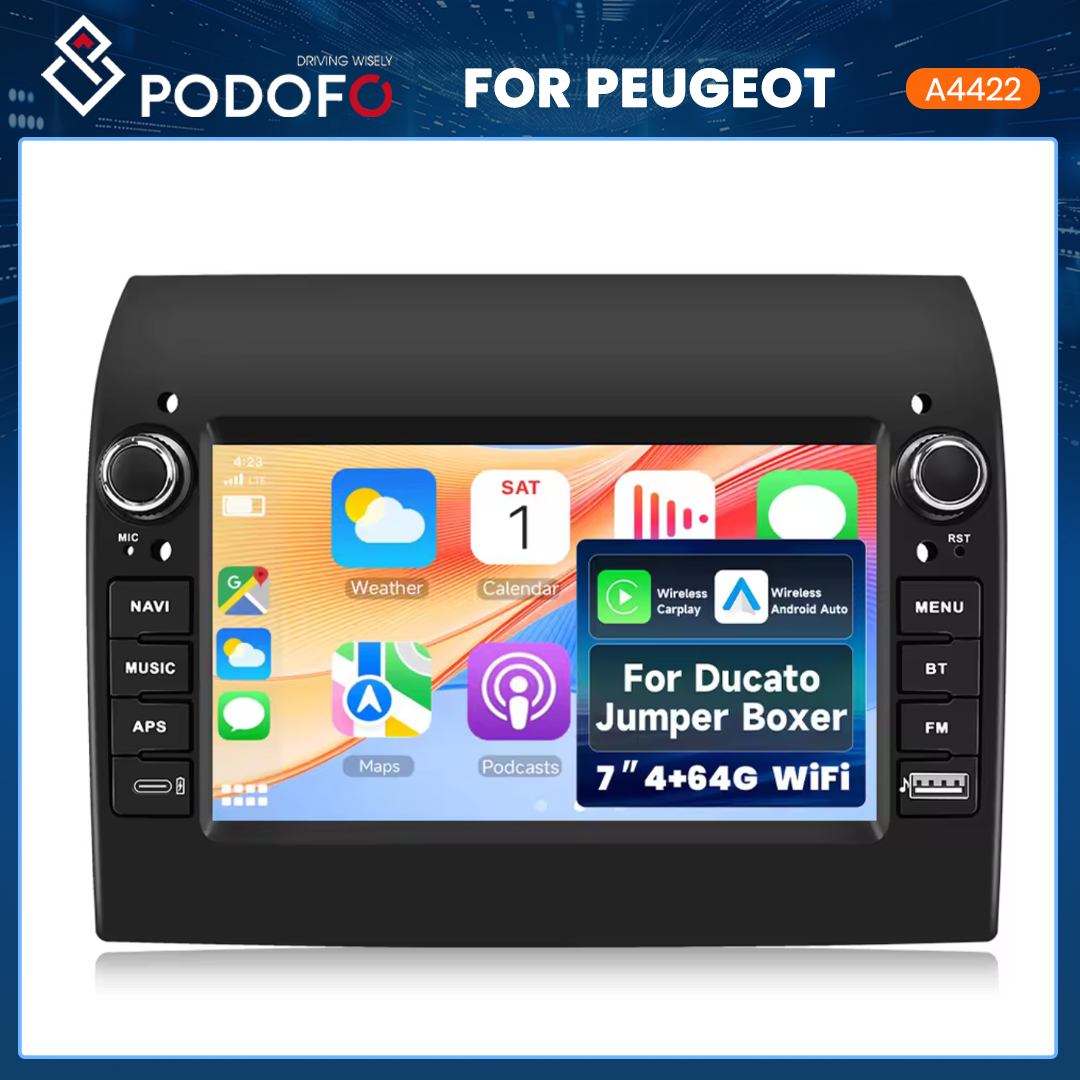
Installing multimedia systems in modern vehicles requires precise compatibility and secure mounting solutions. A car frame serves as the essential foundation for this process, ensuring that aftermarket radio systems, touchscreen displays, and infotainment components fit seamlessly into your dashboard. Understanding how a car frame facilitates multimedia installation across different vehicle types helps you make informed decisions about upgrading your vehicle's entertainment and navigation capabilities while maintaining safety and aesthetic integrity.
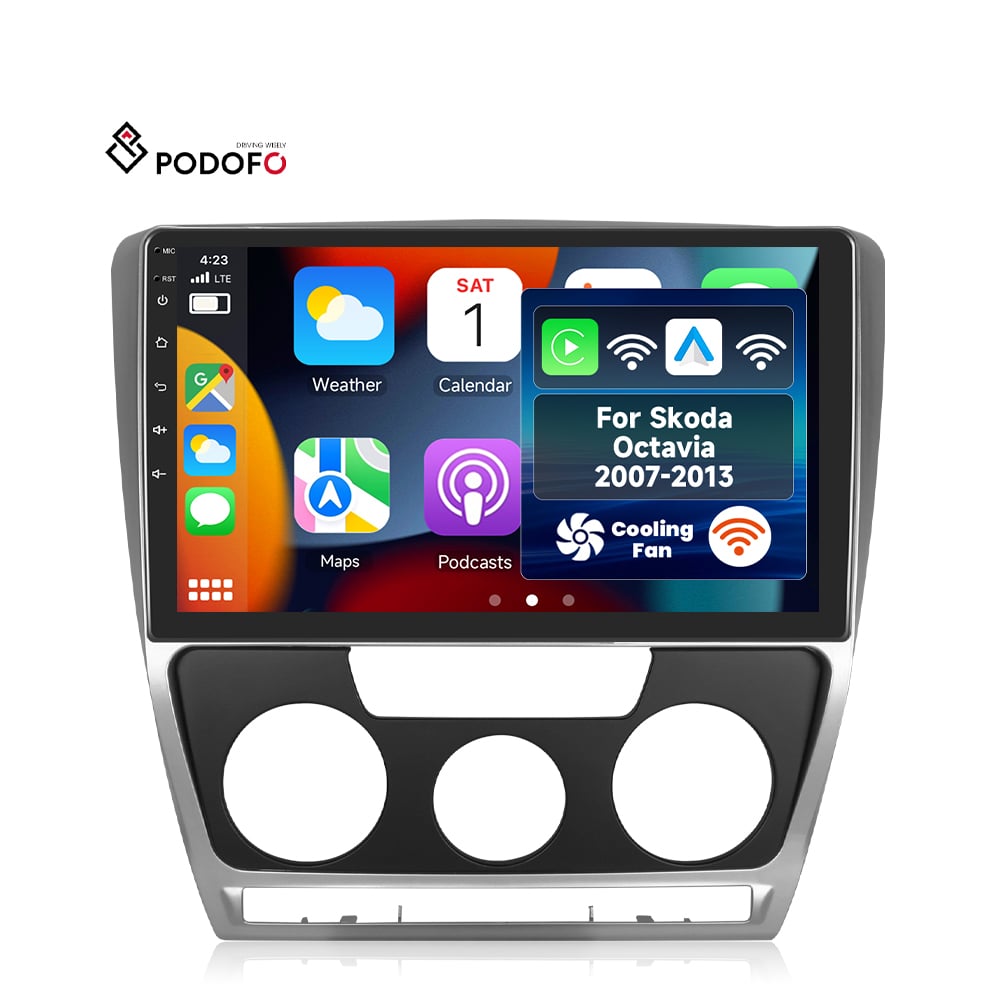
A car frame acts as the mounting bracket that bridges the gap between a standard aftermarket multimedia unit and your vehicle's original dashboard cavity. Without a properly designed car frame, multimedia system installation becomes problematic, leading to gaps, instability, and potential safety hazards. The car frame essentially standardizes the installation process, allowing manufacturers to create one multimedia solution that works across multiple vehicle models through adaptable frame designs.
Understanding Car Frame Design and Functionality
What Makes a Car Frame Essential for Multimedia Installation
A car frame is specifically engineered to accommodate the dimensional differences between standard aftermarket multimedia units and factory dashboard openings. Each vehicle model has unique dashboard specifications, and a car frame bridges this compatibility gap. The car frame typically features adjustable mounting points, reinforced brackets, and precise cutouts designed to support the weight and vibration of multimedia equipment while maintaining dashboard integrity. This specialized car frame design ensures that your new multimedia system remains secure during driving conditions and operates without interference from surrounding components.
The engineering behind a reliable car frame involves material selection, stress distribution, and installation methodology. A quality car frame uses durable plastics or metal alloys that withstand vehicle vibrations, temperature fluctuations, and long-term wear. The car frame must also accommodate various multimedia unit sizes, from standard single-DIN radios to larger double-DIN touchscreen systems. This flexibility makes the car frame indispensable for anyone seeking multimedia upgrades without extensive dashboard modifications.
Core Components of a Vehicle Installation Car Frame
A complete car frame system includes several interconnected elements that work together to facilitate multimedia installation. The base plate of the car frame anchors directly to the dashboard structure, providing stability and load distribution. Mounting brackets within the car frame secure the multimedia unit at precise angles, ensuring optimal screen visibility and control accessibility. The car frame also incorporates protective trim panels that conceal gaps between the multimedia unit and dashboard, creating a factory-like appearance while improving acoustic quality and dust protection.
Additional components of a comprehensive car frame system include extension adapters, harness guides, and cable management channels. These elements work in conjunction to ensure that a car frame installation remains clean, organized, and professional-looking. The car frame design accounts for ventilation requirements, ensuring that multimedia equipment receives adequate airflow to prevent overheating during extended use.
How Car Frames Adapt to Different Vehicle Models
Vehicle-Specific Car Frame Specifications
Different manufacturers design car frames with model-specific dimensions and mounting configurations. A car frame for a Volkswagen follows different specifications than one designed for Asian or American vehicles, reflecting unique dashboard geometries. Manufacturers develop specialized car frame versions by analyzing dashboard dimensions, steering column positions, climate control placements, and existing trim configurations. This meticulous car frame adaptation ensures that multimedia systems integrate seamlessly regardless of vehicle origin or year of manufacture.
The customization of car frames involves computer-aided design and physical testing to verify compatibility. Engineers create a car frame that accounts for dashboard curvature, existing fastening points, and proximity to other components like air vents and steering controls. This vehicle-specific approach to car frame design eliminates the need for custom fabrication or extensive modifications, saving installation time and preserving vehicle warranty considerations.
Multi-Model Car Frame Solutions and Universal Compatibility
Some car frame designs offer broader compatibility across multiple vehicle models within the same manufacturer family. These expanded car frame solutions incorporate adjustable components that accommodate slight dimensional variations between model years or related vehicle platforms. A universal car frame might feature sliding brackets or expandable mounting rails that adapt to different dashboard openings. This flexibility in car frame design provides cost-effective solutions for fleet installations or multi-vehicle installations without sacrificing fit quality.
However, most high-quality car frame installations recommend model-specific solutions for optimal results. A precisely engineered car frame for your exact vehicle model ensures perfect alignment, professional appearance, and maximum stability. Choosing the correct car frame specification prevents future issues like loose connections, dashboard gaps, or uneven multimedia unit positioning that can develop over time with vehicle use.
Installation Benefits and Practical Advantages
Streamlined Installation Process with Proper Car Frame Systems
Using an appropriate car frame dramatically reduces installation complexity and time requirements. Professional installers recognize that a properly designed car frame eliminates trial-and-error adjustments and custom fabrication work. The car frame provides clear mounting reference points, reducing installation time from several hours to approximately one to two hours depending on electrical complexity. This efficiency translates to lower labor costs and faster service completion, making multimedia upgrades more accessible and affordable for vehicle owners.
The car frame installation process becomes straightforward when technicians follow the manufacturer's specifications and mounting guidelines. Cable management within the car frame remains organized, and the final appearance looks professionally finished. A car frame significantly reduces the likelihood of installation errors that could damage dashboard components or compromise multimedia functionality.
Aesthetic and Functional Integration Benefits
Beyond installation efficiency, a car frame provides substantial aesthetic advantages that enhance your vehicle's interior appearance. The car frame conceals gaps and unsightly edges, creating a seamless transition between your new multimedia system and the existing dashboard. Color-matched trim panels included with the car frame maintain visual continuity with your vehicle's interior design. This aesthetic integration means that multimedia upgrades enhance rather than detract from your vehicle's overall interior quality and perceived value.
Functionally, a quality car frame improves acoustic properties by sealing air gaps that typically allow road noise to enter the cabin. The car frame also provides dust and debris protection for multimedia components, extending equipment lifespan and reliability. Proper ventilation channels within the car frame design prevent heat buildup, ensuring optimal multimedia system performance during extended use in various climate conditions.
FAQ
Can I install a multimedia system without using a car frame?
While technically possible, installing multimedia without a proper car frame is not recommended for most vehicles. Without a car frame, you risk dashboard damage, poor multimedia unit positioning, visible gaps, and potential safety concerns during driving. A car frame provides the necessary structural support and mounting standardization that ensures professional-quality results and long-term reliability.
How do I determine the correct car frame for my vehicle?
Identify your vehicle's make, model, and year, then consult compatibility charts provided by multimedia installation suppliers. Most car frame manufacturers offer specific product listings organized by vehicle platform. Verify that the car frame dimensions match your dashboard opening and that mounting points align with your vehicle's existing fastening locations before purchasing to ensure correct car frame selection.
Are car frames reusable if I upgrade my multimedia system later?
Most car frames are designed for permanent installation but remain reusable if you upgrade to compatible multimedia systems with similar dimensions. If you change vehicle models or switch to significantly different multimedia units, you typically need a different car frame specifically designed for that new configuration. Check compatibility specifications whenever upgrading components to determine whether your existing car frame remains suitable for the new multimedia system.