EN
EN



The automotive industry is experiencing a significant shift toward larger, more advanced infotainment systems, and large screen car monitor displays have become one of the most sought-after features in modern vehicles. From luxury sedans to mid-range family SUVs, manufacturers are investing heavily in expansive digital dashboards that transform how drivers interact with their vehicles. This trend reflects broader changes in consumer expectations, technological capabilities, and the overall driving experience. Understanding why large screen car monitor displays are trending reveals important insights about the future of automotive design and user interface development.
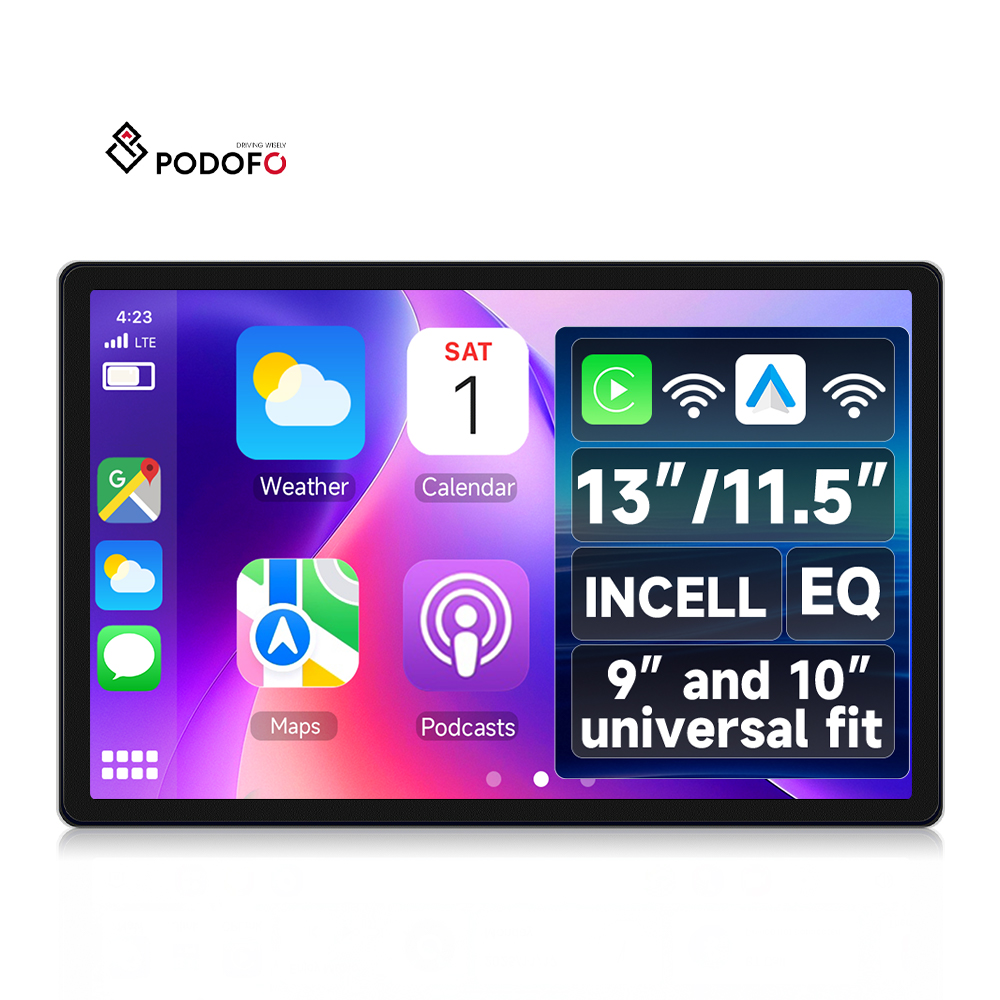
The integration of large screen car monitor displays represents more than just aesthetic enhancement; it addresses fundamental changes in how vehicles operate and communicate with drivers. Modern automotive technology demands a sophisticated interface that can seamlessly display navigation, vehicle diagnostics, entertainment, climate control, and connectivity features. Large screen car monitor displays provide the real estate necessary to present this information clearly without overwhelming the driver. As vehicles become increasingly connected and autonomous features advance, the demand for comprehensive visual interfaces continues to accelerate across all vehicle segments.
The Evolution of Vehicle Display Technology
From Traditional Dashboards to Digital Interfaces
Traditional analog dashboards served their purpose for decades, but modern vehicles require far more sophisticated information delivery systems. Large screen car monitor displays have emerged as the natural successor to these conventional layouts, offering dynamic content that adapts to driving conditions and driver preferences. The shift from static gauges to interactive screens reflects how deeply technology has integrated into vehicle operation. Each generation of large screen car monitor displays has introduced improvements in resolution, responsiveness, and processing power, creating a competitive advantage for manufacturers who prioritize these upgrades.
Technological Advancements Enabling Larger Displays
The feasibility of large screen car monitor displays has improved dramatically due to advances in touchscreen technology, energy efficiency, and processing capabilities. Modern automotive-grade components can now deliver high brightness levels, fast refresh rates, and reliable performance across extreme temperature ranges. Furthermore, large screen car monitor displays now integrate with vehicle systems through advanced software frameworks that prioritize both functionality and driver safety. The reliability and cost-effectiveness of these systems have reached inflection points where manufacturers can justify standard installation rather than treating them as premium options.
Driver Experience and User Interface Benefits
Improved Information Accessibility and Safety
One of the primary reasons for the trend toward large screen car monitor displays is the enhanced ability to present critical information in an organized, glanceable format. Drivers can monitor navigation, vehicle health alerts, traffic conditions, and multimedia content without fumbling with physical buttons or complex menu hierarchies. Large screen car monitor displays reduce cognitive load by presenting information hierarchically and contextually, allowing drivers to maintain focus on the road. Safety organizations have recognized that well-designed large screen car monitor displays can actually improve driver awareness when implemented with proper ergonomics and interface logic.
Enhanced Entertainment and Connectivity Features
Contemporary consumers expect their vehicles to provide entertainment capabilities comparable to their smartphones and home systems. Large screen car monitor displays enable seamless integration of streaming services, wireless audio, video playback, and social connectivity. These systems support Apple CarPlay, Android Auto, and proprietary solutions that mirror or extend smartphone functionality directly onto the dashboard. The immersive experience created by large screen car monitor displays transforms the cabin into an entertainment hub, particularly valuable during extended drives or when the vehicle is stationary.
Market Demand and Consumer Preferences Driving Growth
Shift in Consumer Expectations and Vehicle Valuation
Today's vehicle buyers increasingly view large screen car monitor displays as essential rather than optional amenities. Purchasing decisions are frequently influenced by dashboard display quality and functionality, with large screen car monitor displays becoming a key differentiator in competitive vehicle segments. Dealerships recognize that showroom appeal depends significantly on the visual impact and responsiveness of modern infotainment systems. This consumer preference has created a feedback loop where manufacturers must integrate increasingly sophisticated large screen car monitor displays to remain competitive in market segments ranging from economy vehicles to luxury automobiles.
Competitive Differentiation and Brand Positioning
Automotive manufacturers use large screen car monitor displays as a primary tool for brand differentiation and positioning. Luxury brands showcase cutting-edge display technology to justify premium pricing, while mainstream manufacturers leverage large screen car monitor displays to enhance perceived value and modernity. The technology represents a visible, tangible upgrade that consumers can evaluate immediately, unlike many other vehicle improvements. Large screen car monitor displays have become essential to the brand experience and customer satisfaction metrics in the automotive industry today.
FAQ
What sizes are considered appropriate for large screen car monitor displays?
Large screen car monitor displays typically range from ten to fifteen inches diagonally, with twelve to thirteen inches emerging as the contemporary standard. This size provides substantial information visibility without extending beyond typical dashboard dimensions or obstructing driver sightlines. Larger displays above fourteen inches are increasingly common in luxury vehicles, though practical constraints limit further expansion in most vehicle architectures. The ideal size for large screen car monitor displays balances visibility, usability, and ergonomic safety considerations specific to each vehicle platform.
How do large screen car monitor displays affect vehicle costs?
The cost of integrating large screen car monitor displays has decreased substantially as manufacturing scales and technology maturity increases. Once exclusive to premium vehicles, large screen car monitor displays now appear across multiple price tiers, contributing modestly to overall vehicle cost. Manufacturers can offset expenses by reducing physical buttons and control stalks, as large screen car monitor displays consolidate multiple functions into software-controlled interfaces. Consumer demand has justified these investments, as large screen car monitor displays directly influence purchase decisions and resale value perceptions.
What software and operating systems power modern automotive large screen car monitor displays?
Large screen car monitor displays operate on proprietary automotive software, modified Android systems, or custom Linux-based platforms optimized for vehicle environments. Leading solutions like large screen car monitor displays increasingly support both Apple CarPlay and Android Auto, providing consistent user experiences regardless of smartphone platform. These systems require robust security architecture to protect vehicle data and prevent unauthorized access. Future large screen car monitor displays will likely feature advanced AI integration, enhanced voice control, and deeper vehicle system integration.