EN
EN



A reverse camera is one of the most effective safety tools available to modern drivers, transforming the challenging task of backing up into a manageable, visible operation. Whether you're navigating a tight parking spot, reversing out of a driveway, or maneuvering in congested traffic, a reverse camera eliminates dangerous blind spots and provides real-time visual feedback to the driver. The technology works by mounting a specialized camera unit at the rear of your vehicle, capturing video footage that streams directly to your dashboard display or infotainment system. Understanding how a reverse camera operates and delivers that crucial clear view behind your vehicle is essential for both safety-conscious drivers and fleet managers seeking to reduce accidents and liability.
The reverse camera has evolved from a luxury feature into a standard safety component across the automotive industry. Modern vehicles recognize that driver blind spots create substantial collision risks, especially when reversing near pedestrians, cyclists, or other vehicles. A reverse camera addresses this problem by providing a wide-angle, high-definition view of the area directly behind your car, significantly improving situational awareness. This article explores the technical mechanisms, installation considerations, and practical benefits that make a reverse camera an indispensable asset for any vehicle owner concerned with safety and convenience.
How Reverse Camera Systems Capture and Display Video
Camera Sensor Technology in Reverse Cameras
The core of a reverse camera system relies on an advanced imaging sensor, typically a CMOS or CCD chip, that captures light and converts it into digital video signals. A reverse camera lens is engineered with a wide-angle field of view, usually between 100 and 170 degrees, to encompass the maximum area behind your vehicle. This wide-angle capability is critical because it allows the reverse camera to detect obstacles, pedestrians, and other vehicles in your immediate backing path that would otherwise remain invisible to your mirrors and eyes. The reverse camera sensor continuously processes this visual information at high frame rates, ensuring smooth, real-time playback without lag or distortion.
The image processing capabilities embedded within modern reverse camera units enhance visibility in challenging lighting conditions. Many advanced models incorporate infrared or LED illumination technology, allowing the reverse camera to deliver a clear view even during nighttime reversing or in dimly lit parking garages. The reverse camera's processing algorithms automatically adjust contrast, brightness, and color balance to present the most useful image to the driver, helping identify curbs, obstacles, and potential hazards with precision.
Signal Transmission and Display Integration
Once captured, the reverse camera video signal must travel from the rear-mounted camera unit to the driver's display in the dashboard or headrest. A reverse camera typically connects via a dedicated wiring harness, transmitting analog or digital video signals through the vehicle's electrical system. Modern reverse camera installations often use composite video signals or advanced digital protocols that resist electromagnetic interference from the engine and other vehicle systems. This reliable transmission ensures that the reverse camera maintains a stable, clear connection even while the engine operates at full power.
The reverse camera display integrates with your vehicle's existing infotainment or OEM system, automatically activating whenever you shift into reverse gear. The reverse camera screen typically appears on your center console touchscreen, dashboard monitor, or in-mirror display, providing an unobstructed view of the area behind your vehicle. Advanced systems may overlay dynamic guidelines, distance indicators, or proximity warnings on the reverse camera feed, giving you precise feedback about how much space remains and whether obstacles are present. This seamless integration makes the reverse camera both intuitive and immediately actionable for any driver.
How a Reverse Camera Improves Visibility and Safety
Eliminating Blind Spots Behind Your Vehicle
The primary advantage of a reverse camera is its ability to eliminate the dangerous blind zone directly behind your vehicle, a zone that mirrors and standard visibility cannot adequately cover. The reverse camera captures this entire critical area, revealing pedestrians, parked cars, shopping carts, and debris that could cause damage or injury. For large vehicles, trucks, and SUVs, this blind spot elimination becomes even more critical, as the distance from the driver's eyes to the rear bumper creates an enormous hidden area. A reverse camera compensates for vehicle size by providing visual coverage that your eyes alone cannot achieve, making reversing operations dramatically safer.
When you rely solely on mirrors and head-turning, small children, low-profile objects, and partially obscured vehicles remain invisible during the final moments before impact. A reverse camera changes this equation by capturing a complete, camera-level perspective of everything behind your vehicle. This technological advantage has proven so valuable that many insurance companies and fleet operators consider a reverse camera an essential accident-prevention investment.
Night Vision and Low-Light Performance
A reverse camera equipped with advanced night vision or low-light enhancement technology maintains visibility during evening driving, night parking, or operation in poorly lit environments. This capability is particularly valuable for commercial drivers, rideshare operators, and anyone frequently reversing in challenging lighting conditions. The reverse camera night vision systems use either thermal imaging, LED illumination, or sensor-level light amplification to deliver a clear view that matches daytime visibility standards. This consistent performance regardless of lighting conditions makes the reverse camera a reliable safety tool across all hours of operation.
Many professional fleet operators prioritize reverse camera models with superior low-light performance because they reduce nighttime backing accidents and provide documentation evidence for insurance claims. The reverse camera's night vision capability extends your operational awareness regardless of exterior lighting, whether you're reversing into a dimly lit loading dock or a nighttime parking area.
Installation Considerations and System Compatibility
Mounting and Integration for Effective Reverse Camera Function
Proper reverse camera installation requires careful consideration of mounting position, angle calibration, and electrical connectivity. The reverse camera must be positioned to capture the maximum useful area behind your vehicle while remaining protected from road debris, mud splashes, and weather exposure. Most reverse camera units mount on the center of the rear bumper, tailgate, or license plate frame, locations that maximize the field of view while keeping the camera lens clean and positioned at optimal height. The reverse camera mounting bracket should be robust enough to withstand vibration, temperature fluctuations, and occasional bumps without shifting or losing its calibration.
The reverse camera electrical connection requires integration with your vehicle's reverse light circuit, power distribution, and display system. Professional installation ensures that the reverse camera wiring meets vehicle electrical specifications, protects against moisture intrusion, and activates reliably whenever you shift into reverse. The reverse camera calibration process involves adjusting the display angles and guidelines to match your specific vehicle's dimensions and capabilities, ensuring that distance indicators and trajectory lines accurately represent your actual backing path.
Compatibility with Vehicle Models and Display Systems
Selecting the appropriate reverse camera for your vehicle requires understanding your existing display infrastructure and electrical architecture. Some vehicles feature factory-ready reverse camera harnesses and display integration points, making the reverse camera installation process straightforward and plug-and-play. Other vehicles may require custom wiring, adapter modules, and professional integration work to connect the reverse camera to aftermarket displays or existing infotainment systems. OEM reverse camera systems designed specifically for your vehicle model typically offer superior integration, automatic activation, and display calibration compared to universal aftermarket options.
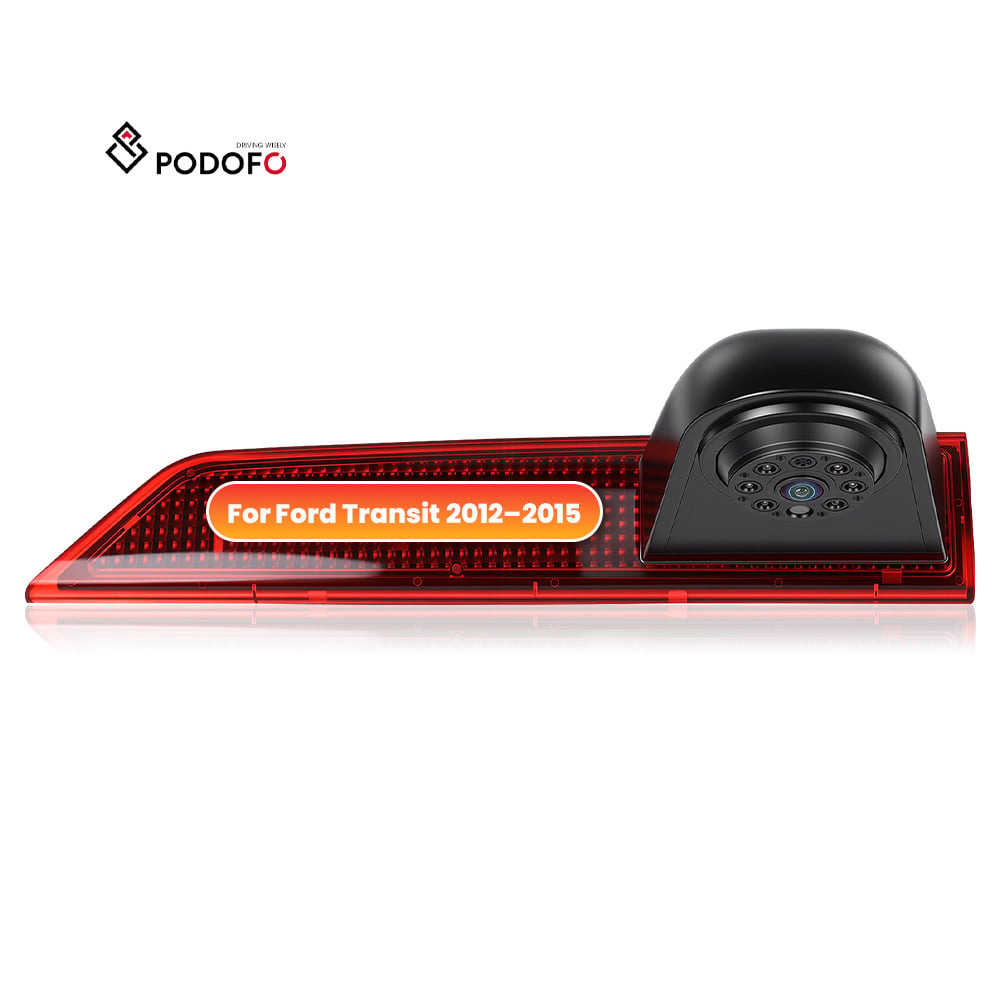
Compatibility considerations also include resolution standards, video format specifications, and display size requirements. A reverse camera purchased for a specific vehicle model typically arrives pre-configured for that vehicle's electrical system, display characteristics, and software protocols. Fleet managers and vehicle owners should verify that the reverse camera matches their vehicle's year, make, and model to ensure seamless integration and reliable performance. This level of specificity guarantees that the reverse camera activates predictably, displays correctly, and maintains clear visibility every time you shift into reverse.
FAQ
What is the primary purpose of a reverse camera?
A reverse camera's primary purpose is to eliminate blind spots behind your vehicle and provide real-time visual feedback when backing up. The reverse camera captures the area directly behind your vehicle, displaying it on your dashboard screen to reveal obstacles, pedestrians, and other hazards that mirrors and head-turning cannot adequately cover. This technology significantly reduces collision risks during reversing operations and is especially valuable for large vehicles, commercial applications, and parking in crowded environments.
How does a reverse camera see clearly at night?
Modern reverse camera systems see clearly at night through advanced imaging sensors that amplify available light and through integrated infrared or LED illumination. The reverse camera's CMOS or CCD sensor is specifically designed to operate effectively in low-light conditions, capturing usable video even in dark environments. Additional reverse camera night vision technologies, such as infrared backlighting or thermal imaging, further enhance visibility during nighttime reversing operations. This capability ensures that your reverse camera maintains consistent performance regardless of exterior lighting conditions.
Can a reverse camera work with any vehicle?
Most modern vehicles can accommodate a reverse camera installation, but compatibility depends on your vehicle's electrical system, available display infrastructure, and specific model year. OEM reverse camera systems designed for your vehicle model provide the best integration and performance. Aftermarket reverse camera options offer more universal flexibility but may require professional installation and adapter components to connect properly. Before purchasing a reverse camera, verify that it matches your vehicle's specifications and display system to ensure reliable operation and clear visibility.