EN
EN




A reverse camera combined with parking sensors creates one of the most effective safety systems modern vehicles can offer. When these two technologies work together, drivers gain comprehensive visibility and precise distance feedback while reversing, dramatically reducing collision risks and accident severity. Understanding how a reverse camera integrates with parking sensors helps vehicle owners make informed decisions about aftermarket installation and proper usage for maximum protection.
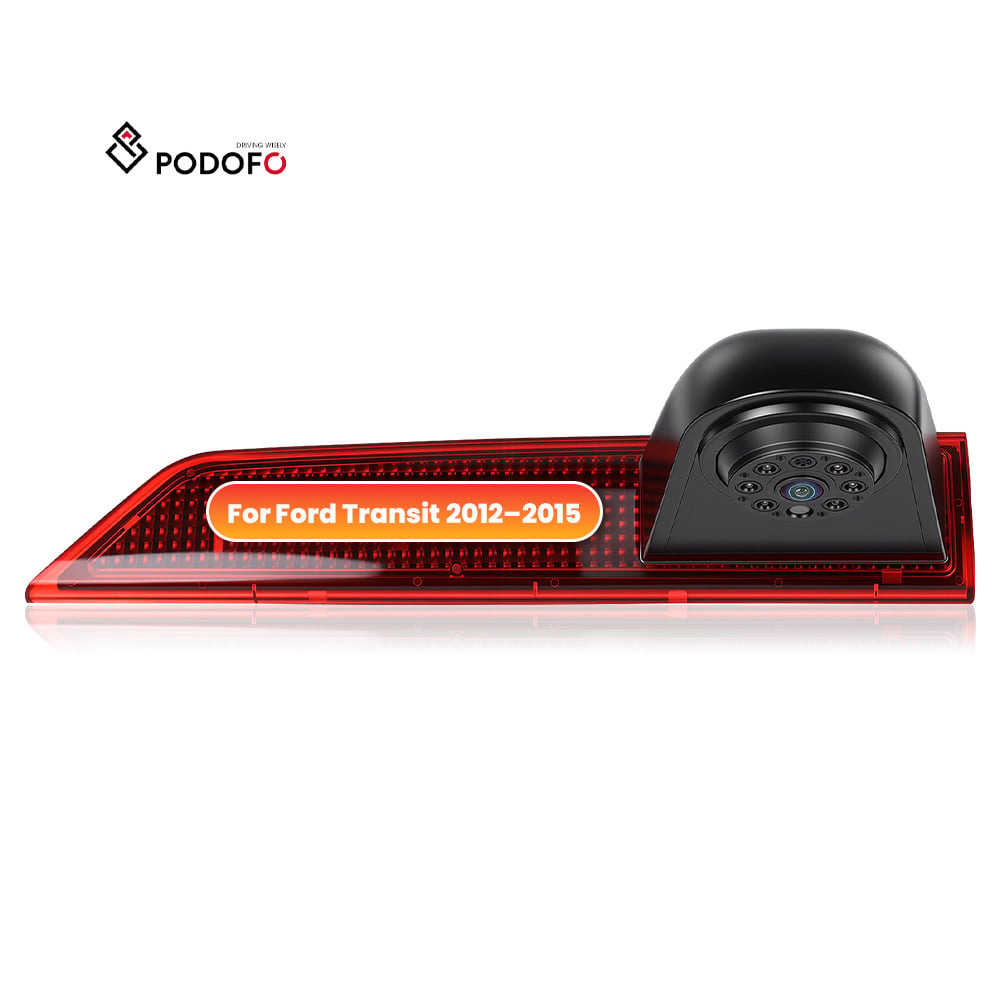
The integration of a reverse camera with parking sensors represents a significant advancement in driver safety technology. Rather than relying on mirrors alone or guessing distances while backing up, drivers now have visual confirmation on a display screen combined with audible or visual proximity alerts from sensors. This dual-layer approach addresses different blind spots and sensing limitations, ensuring that obstacles both in direct line of sight and at vehicle periphery are detected before collision occurs.
How a Reverse Camera and Parking Sensors Work Together
Visual Feedback from the Reverse Camera
A reverse camera mounted on the vehicle's rear bumper or license plate area captures a live video feed whenever the vehicle shifts into reverse gear. This camera feed transmits to an in-dash monitor, typically a touchscreen or dedicated display screen. The reverse camera provides direct visual information about objects, pedestrians, or obstacles directly behind the vehicle within the camera's field of view. Most modern reverse camera systems include wide-angle lenses that expand the visible area, though no camera offers complete 360-degree coverage of the rear environment.
The reverse camera display often includes helpful guideline overlays that indicate the vehicle's projected path based on steering input. When a driver turns the wheel while reversing, these guidelines adjust to show where the vehicle will travel, helping predict the trajectory of the rear corners. High-quality reverse camera installations include grid lines, distance markers, and brightness adjustments for night driving. Many professional reverse camera systems also feature color coding to indicate proximity zones, with lines changing from green to yellow to red as the vehicle approaches obstacles.
Distance Detection from Parking Sensors
Parking sensors work independently of the reverse camera by using ultrasonic or electromagnetic technology to detect objects at various distances around the vehicle. Typically, parking sensors are positioned on the rear bumper in most retrofit installations, though front sensors and side sensors can also be added. These sensors continuously emit signals that bounce off nearby objects, measuring the time delay to calculate precise distances. The parking sensors convert distance information into audible beeping patterns, with beeped frequency increasing as the vehicle approaches obstacles, alerting drivers through sound rather than sight.
The advantage of parking sensors is their ability to detect obstacles beyond the reverse camera's direct line of sight, including objects at the vehicle's sides and corners. Sensors work equally well in daylight or darkness, during daytime or nighttime driving, and regardless of visibility conditions. When integrated with a reverse camera, sensors fill critical blind spots that the camera cannot cover. This creates comprehensive coverage of the entire rear and side areas during reverse operations.
Safety Benefits of Integrated Reverse Camera and Parking Sensors
Accident Prevention and Collision Avoidance
The combination of a reverse camera with parking sensors significantly reduces backing accidents, which account for a substantial portion of low-speed collisions in parking lots and driveways. Statistics show that many accidents occur because drivers cannot see small children, pets, or low-level obstacles behind their vehicles. A reverse camera provides the visual confirmation needed to spot these hazards, while parking sensors alert drivers through audio signals when proximity thresholds are exceeded. Together, these systems create redundancy in the safety system, meaning failure of one component does not eliminate all warning.
The reverse camera allows drivers to maintain awareness of the rear environment while seated in the driver's position, eliminating the need to rely solely on mirror images or blind estimations. For drivers with limited mobility, reduced vision, or those operating larger vehicles with significant blind spots, this integration becomes especially valuable. The continuous audio alerts from parking sensors provide an additional safety layer for drivers who might briefly look away from the display screen during complex reversing maneuvers. This multi-sensory approach engages both visual and auditory processing, making warnings more difficult to miss or ignore.
Protecting Vulnerable Road Users
Children playing near parked vehicles and pedestrians navigating parking areas face significant risk during backing operations. A reverse camera with parking sensors dramatically improves detection of small children and pedestrians who may be in blind spots. The reverse camera's wide-angle field of view captures movement and human presence before the vehicle reaches critical proximity distances. Parking sensors provide additional protection by detecting stationary objects and people even when the driver's attention is temporarily diverted from the display screen.
Many modern reverse camera systems include automatic recording features, creating a record of what occurred during the backing operation. This documentation can prove valuable in disputed accident claims or insurance investigations. The psychological awareness that a reverse camera is actively monitoring the rear environment often encourages drivers to slow down during reversing operations and remain more attentive to their surroundings. This behavioral change, combined with technological enhancements, creates layered safety improvements beyond what either system provides independently.
Installation Considerations and System Integration
Aftermarket Reverse Camera Installation Options
For vehicles not equipped with factory reverse cameras, professional aftermarket installation of a reverse camera system with integrated parking sensor compatibility offers practical safety enhancement. Installation typically involves mounting the camera unit on the rear bumper or license plate housing, running wiring through the vehicle frame to the display location, and connecting power through the reverse light circuit. Many aftermarket reverse camera kits include compatible parking sensors designed to work seamlessly with the display system, simplifying integration. Professional installers ensure proper camera calibration and sensor alignment to maximize safety effectiveness.
When selecting an aftermarket reverse camera system, compatibility with existing parking sensors should be verified before purchase. Some reverse camera displays include dedicated ports for parking sensor integration, while others require additional adapters. Quality reverse camera systems feature robust weatherproofing, night vision capability through infrared illumination, and durable construction resistant to heat, moisture, and road debris. Higher-end models offer dynamic guideline systems that adjust based on steering angle, providing more accurate projections of vehicle path during complex reversing maneuvers.
Maintenance and System Reliability
Regular maintenance of reverse camera and parking sensor systems ensures continued reliability and optimal safety performance. The camera lens should be kept clean and free from mud, salt, snow, and other debris that can obscure the video feed. Parking sensor ports must remain unobstructed by ice or dirt buildup that could interfere with ultrasonic signal transmission. Periodic testing of both systems should be performed, including verification that camera guidelines appear accurately and that all parking sensor zones trigger appropriate audio alerts at expected distances.
The reverse camera wiring connections should be inspected periodically for corrosion or loose connections that could cause intermittent system failure. Display screens should be checked for cracks, moisture intrusion, or display quality degradation. Many aftermarket reverse camera systems include diagnostic features that help identify sensor or camera malfunction, allowing drivers to schedule maintenance before complete system failure occurs. Proper maintenance extends the lifespan of reverse camera equipment and ensures safety systems function reliably when needed most.
FAQ
Can a reverse camera work without parking sensors?
Yes, a reverse camera can function independently without parking sensors. However, the reverse camera alone has blind spots at the vehicle's extreme sides and corners, which parking sensors can detect. While the reverse camera provides valuable visual feedback, parking sensors add an audio alert system that engages drivers who might momentarily look away from the display. Both systems together create superior safety compared to either system used alone.
What is the typical detection range of parking sensors?
Most parking sensors detect obstacles at distances ranging from approximately 30 inches to 150 inches from the vehicle bumper, with sensitivity adjustable in many systems. The exact detection range depends on sensor quality, object size, and material composition. Small objects or soft materials may be detected at shorter ranges than large hard obstacles. A reverse camera complements sensors by providing visual confirmation at closer distances and detecting obstacles beyond typical sensor range.
How do I choose between different reverse camera models?
When selecting a reverse camera, prioritize models compatible with your vehicle's parking sensor system, featuring robust night vision capability, wide-angle lens coverage, and durable weather-resistant construction. Consider whether you need dynamic guideline features, adjustable brightness controls, or recording functionality. Professional installation ensures proper calibration and integration with existing vehicle systems. Reading reviews from owners of vehicles similar to yours provides practical insights into real-world performance and reliability of specific reverse camera models.