EN



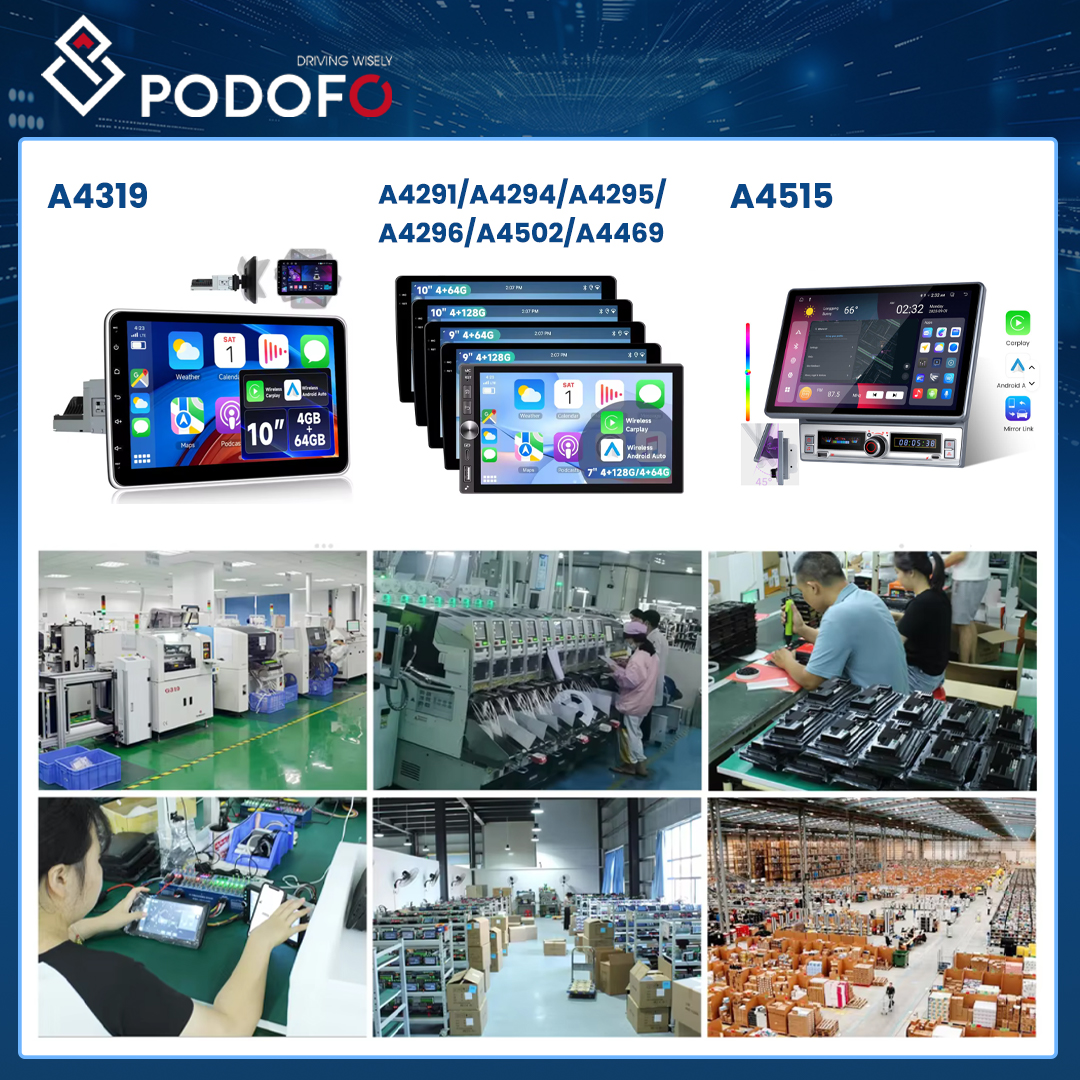
The automotive industry is experiencing a profound transformation driven by digital integration, and carplay stands at the center of this evolution. As vehicle manufacturers increasingly recognize the importance of seamless smartphone connectivity, carplay has emerged as a defining standard for modern in-car infotainment systems. This technology enables drivers to access navigation, communication, and entertainment features directly from their vehicle's dashboard display, fundamentally changing how people interact with their cars. The rise of carplay reflects a broader industry shift toward user-centric design and the recognition that the driving experience extends far beyond mechanical performance.

Understanding how carplay influences in-car infotainment systems requires examining both the technological capabilities and the practical implications for vehicle manufacturers and consumers alike. Carplay has moved beyond being a luxury feature to becoming an industry expectation, reshaping how automakers design their digital ecosystems. This shift has profound consequences for user experience, safety features, and the overall competitive landscape of the automotive sector.
The Core Technology Behind CarPlay Integration
How CarPlay Connects Vehicles and Smartphones
Carplay operates as a standardized interface that mirrors specific smartphone functions onto the vehicle's dashboard display. When drivers connect their phones through USB or wireless connectivity, carplay provides access to maps, calling, messaging, and music without requiring manual device interaction. This seamless connection reduces driver distraction by consolidating multiple functions into a single, vehicle-integrated interface. The technology leverages the processing power of the smartphone while presenting information in a format optimized for driving conditions, making carplay an essential component of modern in-car infotainment systems.
Technical Architecture and System Requirements
Implementing carplay within an in-car infotainment system requires specific hardware compatibility and software integration. Vehicles must have compatible touchscreen displays, proper USB connectivity or wireless communication protocols, and software systems capable of handling carplay's interface protocols. Manufacturers integrating carplay must ensure their in-car infotainment systems support the latest carplay standards while maintaining intuitive controls adapted to vehicle-specific layouts. This integration process has standardized many aspects of automotive software development, creating industry-wide expectations for how carplay features should function and respond within different vehicle models.
Impact on User Experience and Driver Safety
Revolutionizing In-Car Interface Design
Carplay has fundamentally changed how manufacturers approach in-car infotainment system design. Rather than developing proprietary interfaces, automakers increasingly prioritize seamless carplay compatibility, knowing consumers expect this functionality. The presence of carplay in in-car infotainment systems encourages manufacturers to create larger, higher-resolution displays and more responsive touchscreen technologies. This evolution has accelerated innovation in automotive display technology and human-machine interface design, as carplay's popularity demonstrates clear market demand for smartphone integration capabilities.
Safety Benefits and Distraction Reduction
One of the most significant ways carplay influences in-car infotainment systems is through improved safety outcomes. By bringing smartphone functions into the vehicle's primary display, carplay reduces the temptation for drivers to handle their phones manually while driving. Navigation through carplay prevents the dangerous practice of glancing at handheld devices, while voice control integration allows drivers to maintain focus on the road. Safety-conscious manufacturers have recognized that effective carplay implementation in their in-car infotainment systems directly correlates with reduced accident rates and improved driver compliance with safe driving practices.
Market Evolution and Future Directions
Reshaping Competitive Advantage in Automotive Markets
The presence or absence of carplay has become a decisive factor in vehicle purchasing decisions, compelling manufacturers to prioritize carplay integration in their in-car infotainment systems. Consumers increasingly view carplay as a baseline expectation rather than a premium feature, pushing even budget-focused manufacturers to incorporate this technology. This market dynamic has reshaped how automotive companies allocate development resources, with significant investment flowing toward carplay compatibility and optimization. The competitive pressure surrounding carplay availability has accelerated the timeline for upgrading older in-car infotainment systems and has influenced vehicle lifecycle planning across the industry.
Integration with Emerging Vehicle Technologies
Looking forward, carplay continues to evolve alongside autonomous vehicle development and advanced driver assistance systems. Future in-car infotainment systems will likely deepen carplay's integration with vehicle sensors and autonomous features, creating more sophisticated driver assistance capabilities. Manufacturers are exploring how carplay can serve as a bridge between smartphone intelligence and vehicle intelligence, enabling new forms of contextual information delivery. This convergence of carplay technology with emerging automotive innovations suggests that the in-car infotainment systems of tomorrow will be fundamentally shaped by carplay's continued development and refinement.
FAQ
What makes carplay essential for modern in-car infotainment systems?
Carplay has become essential because it addresses fundamental consumer expectations for smartphone integration, safety, and convenience. Modern drivers expect their vehicles' in-car infotainment systems to seamlessly connect with their phones, provide intuitive navigation, and enable hands-free communication. Carplay delivers these capabilities through a standardized, vehicle-optimized interface that manufacturers can implement consistently across different models. Without carplay, in-car infotainment systems would struggle to meet consumer expectations and compete effectively in the marketplace.
How does carplay differ from other in-car infotainment solutions?
Carplay stands apart through its integration with Apple's ecosystem and its focus on providing a unified interface within in-car infotainment systems. Unlike proprietary solutions developed by individual manufacturers, carplay offers manufacturers a proven, standardized framework for smartphone integration that reduces development costs and ensures consistent user experience. Carplay's emphasis on simplicity and safety-focused design distinguishes it from more complex in-car infotainment systems that attempt to replicate desktop computing experiences in vehicles. This focused approach has proven more effective at addressing real driving needs than comprehensive but complicated alternatives.
Will carplay eventually replace traditional in-car infotainment systems?
Rather than replacing traditional in-car infotainment systems, carplay is likely to become increasingly integrated as a core component of them. Manufacturers will continue developing vehicle-specific features and capabilities that complement carplay functionality, creating hybrid systems that combine carplay's smartphone connectivity with proprietary vehicle-centric features. Future in-car infotainment systems will probably feature carplay as the primary interface for common smartphone tasks while maintaining manufacturer-specific systems for vehicle control, diagnostics, and advanced features. This coexistence approach maximizes both consumer familiarity and manufacturer differentiation.