Head Up Displays: Advanced HUD Technology for Enhanced Safety and Performance

Get a Free Quote

Our representative will contact you soon.
Email
Name
Company Name
Client Types
Message
0/1000

head up displays

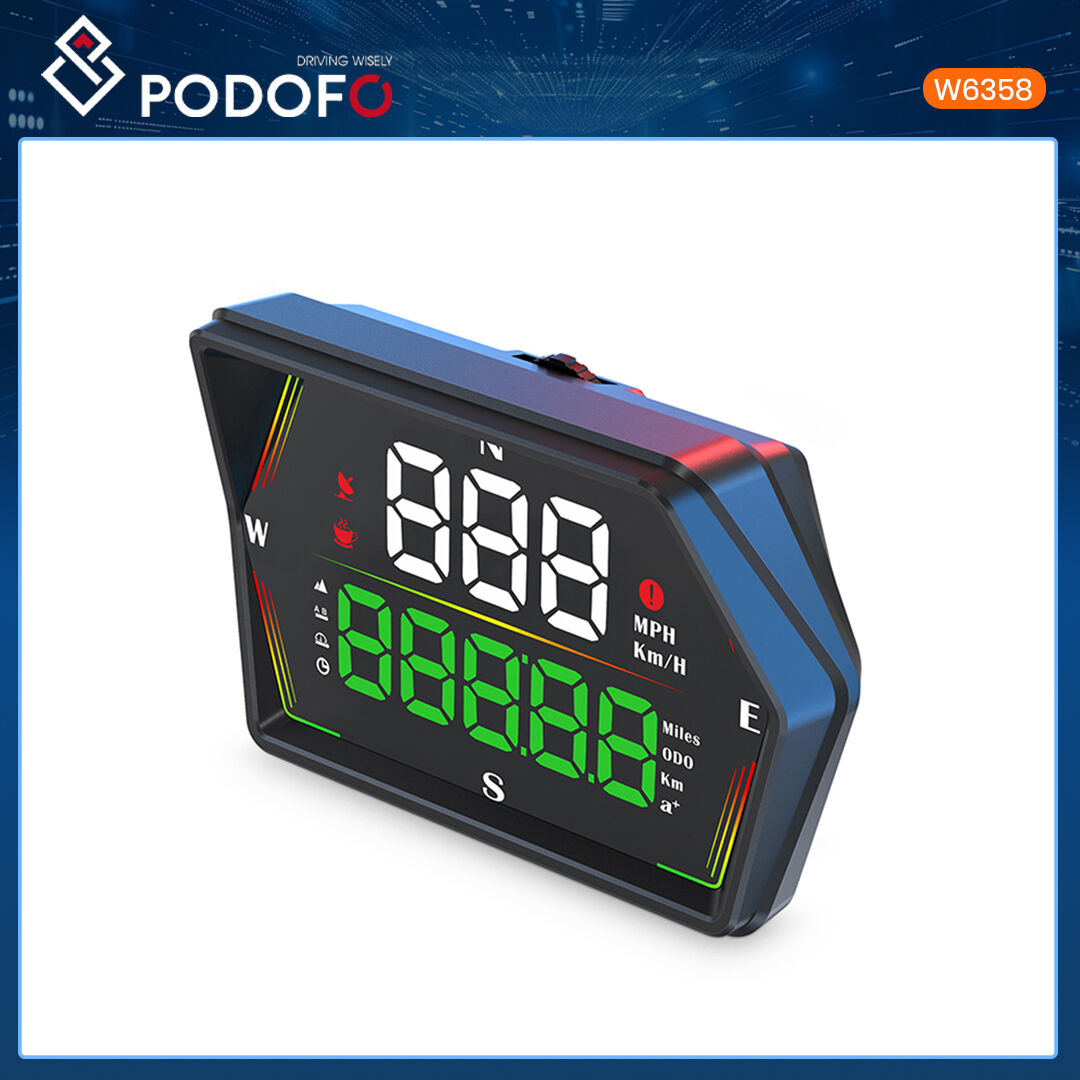
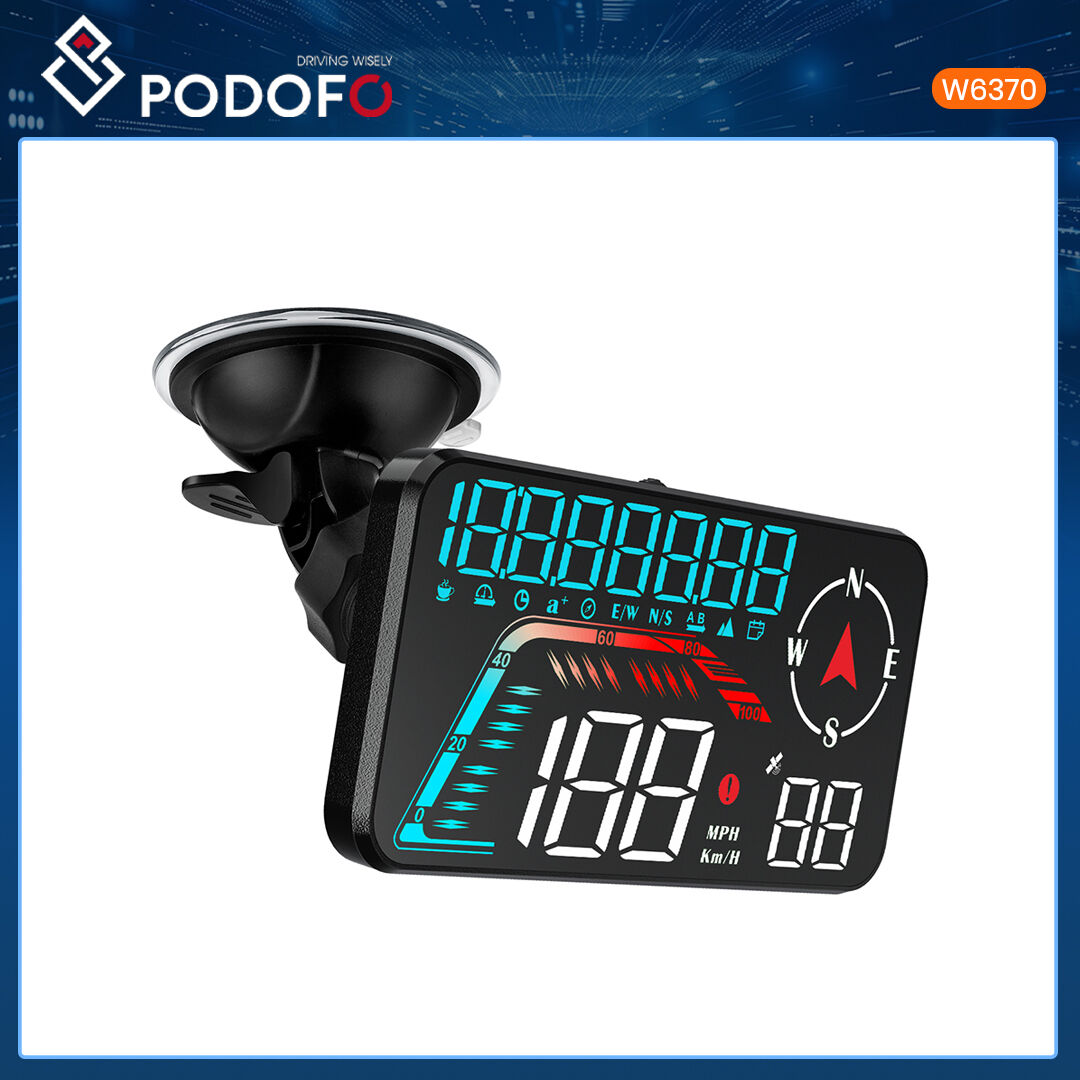
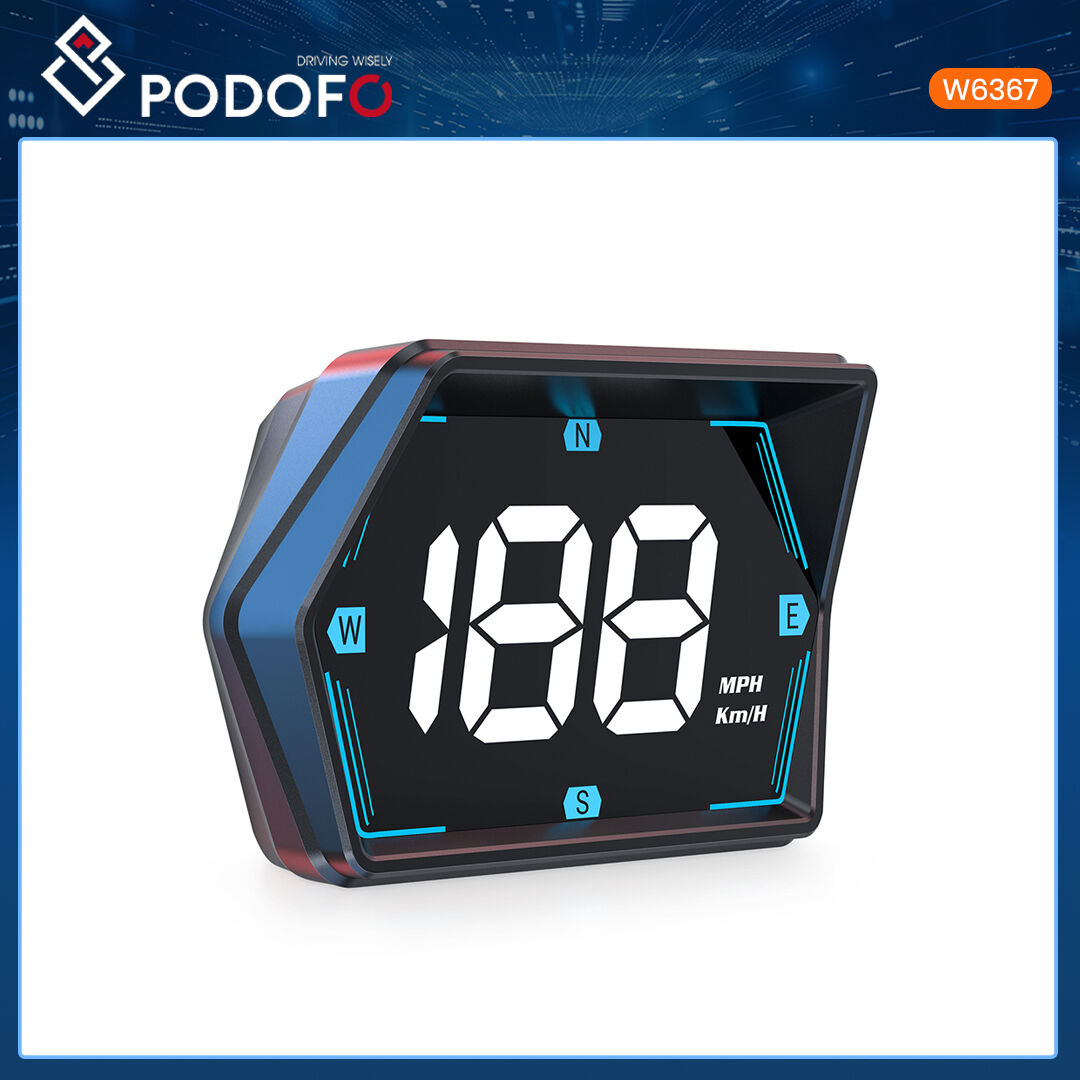
Head up displays represent a revolutionary technology that projects critical information directly into your line of sight, eliminating the need to look away from your primary task. Originally developed for military aviation, head up displays have evolved into sophisticated systems now found in automobiles, commercial aircraft, and various professional applications. These innovative devices work by reflecting important data onto a transparent screen or directly onto a windshield, creating a virtual image that appears to float in your field of view. The core functionality of head up displays centers on delivering real-time information without requiring users to divert their attention downward to traditional instrument panels or dashboard screens. Modern head up displays utilize advanced optical technologies, including LED projectors, laser systems, and high-quality reflective coatings to ensure clarity in all lighting conditions. The technological features of these systems include automatic brightness adjustment, customizable display layouts, and integration with various sensors and navigation systems. In automotive applications, head up displays show speed, navigation directions, collision warnings, and vehicle diagnostics. Aviation versions present altitude, airspeed, heading, and flight path information. The applications extend beyond transportation into medical fields where surgeons use head up displays during procedures, manufacturing environments where workers receive assembly instructions, and even consumer electronics like smart glasses. The technology employs sophisticated algorithms to calculate the correct focal distance, ensuring the projected information appears sharp and readable while maintaining optimal positioning within the user's peripheral awareness. As head up displays continue advancing, they incorporate augmented reality features, enhanced connectivity with smart devices, and improved energy efficiency, making them increasingly accessible and valuable across diverse industries and everyday consumer use.

New Products

Head up displays deliver substantial safety improvements by keeping your eyes focused on the road or task ahead rather than forcing you to glance down at instruments or screens. This continuous visual connection with your environment dramatically reduces reaction times during critical moments, potentially preventing accidents and enhancing overall situational awareness. When driving, every second counts, and head up displays ensure you maintain constant awareness of your surroundings while accessing essential information. The convenience factor cannot be overstated, as these systems eliminate the constant eye movement between different focal planes that causes fatigue during extended use. Your eyes remain adjusted to distant viewing, reducing strain and making long journeys or work sessions significantly more comfortable. Head up displays provide information exactly when and where you need it, streamlining your workflow and decision-making processes. The customization capabilities allow you to prioritize the data most relevant to your specific needs, filtering out distractions and presenting only critical information. This personalized approach means you spend less time processing irrelevant details and more time focusing on what truly matters. The intuitive nature of head up displays makes them accessible to users of all experience levels, requiring minimal learning curve while delivering immediate benefits. Modern systems adapt to changing light conditions automatically, ensuring perfect visibility whether you are driving into bright sunshine or navigating through dark conditions. The integration capabilities with existing technologies mean head up displays enhance rather than replace your current systems, adding value without requiring complete overhauls of established equipment. These displays also future-proof your investment, as software updates can introduce new features and capabilities without hardware changes. The energy efficiency of contemporary head up displays means they operate without significantly impacting battery life or fuel consumption, making them practical for continuous use. By presenting navigation information directly in your sight line, head up displays eliminate the dangerous practice of handling mobile devices while operating vehicles or machinery. The professional appearance and advanced functionality of head up displays also enhance the perceived value and modernity of vehicles and equipment, contributing to higher satisfaction and potentially better resale values for automotive applications.

Practical Tips

How Does a CarPlay Screen Transform Traditional Car Multimedia Systems?

17

Mar

How Does a CarPlay Screen Transform Traditional Car Multimedia Systems?

The integration of a CarPlay screen into traditional car multimedia systems represents a fundamental shift in automotive technology, transforming how drivers interact with their vehicle's entertainment and navigation features. This revolutionary upgr...
View More
Why More Riders Are Switching to Motorcycle CarPlay

25

Mar

Why More Riders Are Switching to Motorcycle CarPlay

The motorcycle industry is experiencing a technological revolution, with motorcycle CarPlay emerging as one of the most sought-after upgrades among modern riders. This shift represents more than just a tech trend—it reflects a fundamental chang...
View More
Why Is Android Auto Technology Growing in the Automotive Industry?

21

Apr

Why Is Android Auto Technology Growing in the Automotive Industry?

The automotive industry has witnessed unprecedented transformation in recent years, with digital integration becoming a cornerstone of modern vehicle design. Among the most significant developments is the rapid expansion of Android Auto technology, w...
View More
What Opportunities Do Car Accessories Offer for Wholesale Buyers?

28

Apr

What Opportunities Do Car Accessories Offer for Wholesale Buyers?

The car accessories market represents a significant opportunity for wholesale buyers seeking profitable ventures in the automotive industry. With millions of vehicles on the road requiring upgrades, replacements, and enhancements, the demand for qual...
View More

Get a Free Quote

Our representative will contact you soon.
Email
Name
Company Name
Client Types
Message
0/1000

head up displays

Enhanced Safety Through Continuous Visual Engagement

Enhanced Safety Through Continuous Visual Engagement

The paramount advantage of head up displays lies in their ability to fundamentally transform how users interact with critical information while maintaining uninterrupted visual contact with their environment. Traditional dashboard displays and instrument clusters require drivers and operators to repeatedly shift their gaze downward, breaking the visual connection with the road or workspace for precious seconds. Research demonstrates that these momentary glances away accumulate into significant periods of reduced awareness, creating dangerous gaps in situational monitoring. Head up displays eliminate this compromise by projecting information directly into your natural sight line, allowing you to absorb data while simultaneously monitoring your surroundings. The technology positions virtual images at an optimal focal distance that minimizes eye refocusing, reducing the accommodation time your eyes need when switching between viewing distant objects and nearby instruments. This seamless information delivery proves especially valuable during high-speed driving or complex operational scenarios where split-second decisions determine outcomes. The safety benefits extend beyond mere convenience, as head up displays can highlight potential hazards through augmented reality overlays, drawing attention to pedestrians, vehicles, or obstacles that might otherwise go unnoticed. Emergency warnings appear instantly within your primary field of view, ensuring immediate awareness of critical situations without the delay inherent in peripheral detection of dashboard alerts. The persistent visibility of speed information helps drivers maintain legal limits without conscious effort, while navigation prompts eliminate the confusion and last-minute maneuvers associated with traditional GPS displays. Professional applications demonstrate similar safety enhancements, with pilots maintaining visual contact with the horizon while monitoring flight parameters, and surgeons accessing patient vitals without looking away from the surgical field. The reduced cognitive load associated with information gathering through head up displays allows users to dedicate more mental resources to actual task performance rather than instrument scanning, improving overall effectiveness and reducing error rates in demanding situations.
Superior Comfort and Reduced Fatigue During Extended Use

Superior Comfort and Reduced Fatigue During Extended Use

Head up displays deliver remarkable comfort advantages that become increasingly apparent during prolonged use, addressing the physical and mental fatigue associated with traditional information display methods. The human visual system experiences strain when repeatedly adjusting focus between near and far objects, a phenomenon called accommodation fatigue that affects anyone who regularly monitors dashboard instruments while driving or operating equipment. Each downward glance at a traditional display requires your eye muscles to contract, shifting focus from infinity to perhaps eighteen inches, then relax again when returning attention to the distant view. This constant muscular activity accumulates into genuine discomfort during extended sessions, contributing to eyestrain, headaches, and reduced alertness. Head up displays maintain information at a virtual distance that closely matches your primary viewing plane, essentially eliminating the need for constant refocusing and the associated muscular effort. Users report noticeably less eye fatigue after adopting head up displays, particularly during long highway drives or extended flight operations where traditional instruments would normally cause significant discomfort. The ergonomic benefits extend to posture and neck position, as viewing traditional dashboards encourages a downward head tilt that stresses cervical vertebrae and contributes to neck pain over time. By keeping information at eye level, head up displays promote neutral head positioning and better overall posture, reducing musculoskeletal strain throughout the body. The mental fatigue reduction proves equally significant, as the streamlined information delivery reduces cognitive workload and allows more efficient processing of environmental cues. Instead of consciously remembering to check various gauges and displays, users naturally absorb the information presented continuously within their sight line, transforming monitoring from an active task into a passive awareness. This efficiency means you arrive at destinations or complete work shifts feeling noticeably fresher and more alert, with energy reserves intact rather than depleted by constant instrument scanning and information synthesis from multiple sources.
Intelligent Information Integration and Customization Capabilities

Intelligent Information Integration and Customization Capabilities

Modern head up displays excel at aggregating data from multiple sources and presenting it in coherent, customizable formats that match individual preferences and specific use cases. These sophisticated systems connect with navigation satellites, vehicle sensors, communication networks, and various databases to compile comprehensive situational awareness packages delivered through a single, unified interface. The integration capabilities mean you access everything from turn-by-turn directions and traffic conditions to performance metrics and safety alerts without juggling multiple devices or scanning various instrument clusters. Advanced head up displays employ intelligent filtering algorithms that prioritize information based on context, ensuring the most relevant data receives prominence while secondary details remain accessible but unobtrusive. During normal highway cruising, the display might show only speed and navigation, but when approaching intersections or detecting potential hazards, additional warnings and guidance automatically appear. This dynamic adaptation prevents information overload while ensuring critical data never goes unnoticed, striking the perfect balance between comprehensive awareness and clean, uncluttered presentation. The customization options allow users to configure display layouts, choose which data streams appear, adjust sizing and positioning, and even modify color schemes to match personal preferences or optimize visibility under specific conditions. Some systems learn from user behavior, automatically adjusting settings based on driving patterns, frequently used features, and environmental conditions encountered. The augmented reality capabilities of premium head up displays overlay directional arrows directly onto the actual roadway, highlight lane markings, identify points of interest, and even provide visual separation markers for maintaining safe following distances. These AR features transform abstract navigation instructions into intuitive visual guidance that anyone can follow effortlessly, eliminating confusion at complex intersections or unfamiliar locations. The connectivity with smartphone ecosystems enables seamless access to contacts, messages, music controls, and various applications without touching your phone, supporting hands-free operation that maintains both safety and productivity during transit.


Get a Free Quote

Our representative will contact you soon.
Email
Name
Company Name
Client Types
Message
0/1000