solar reverse camera
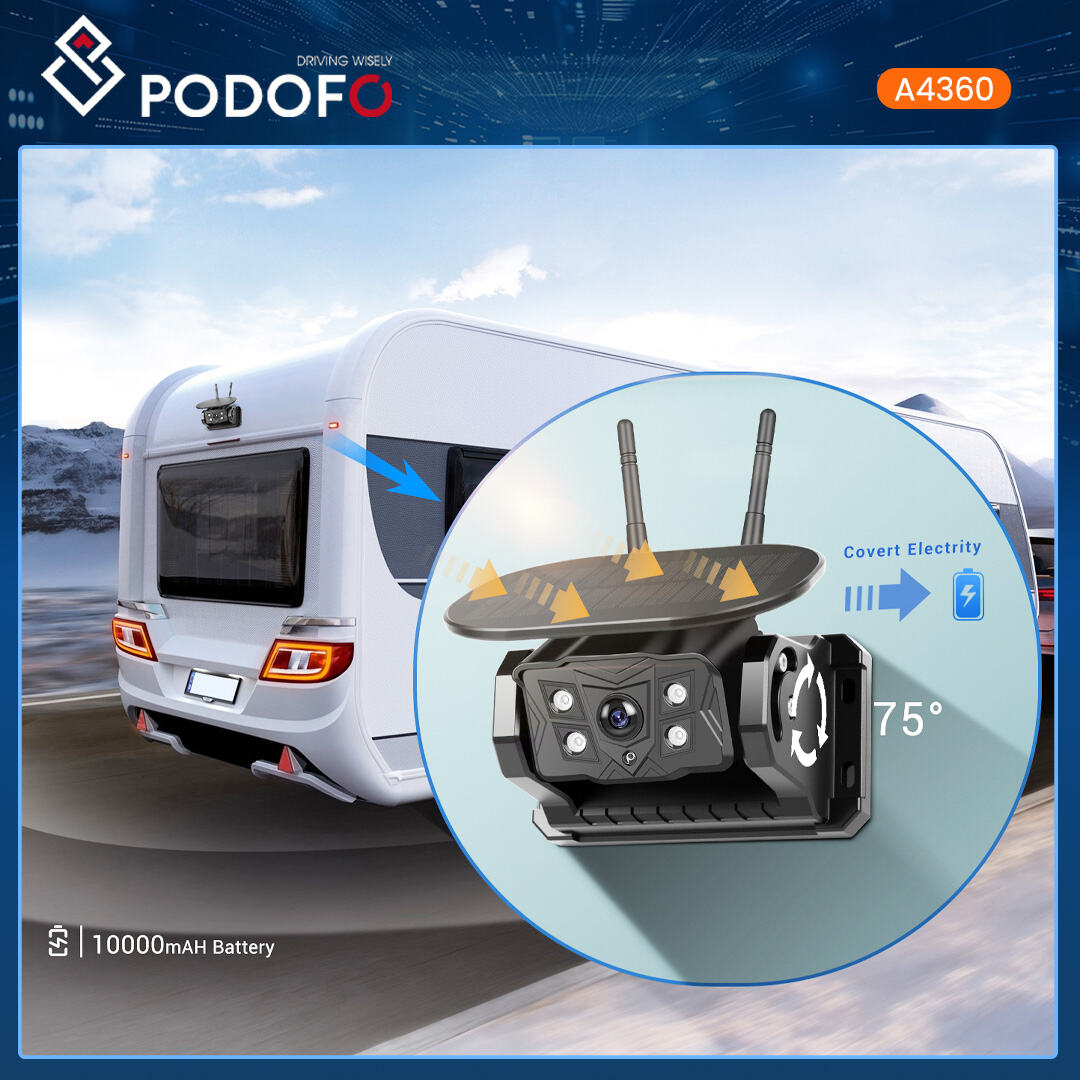
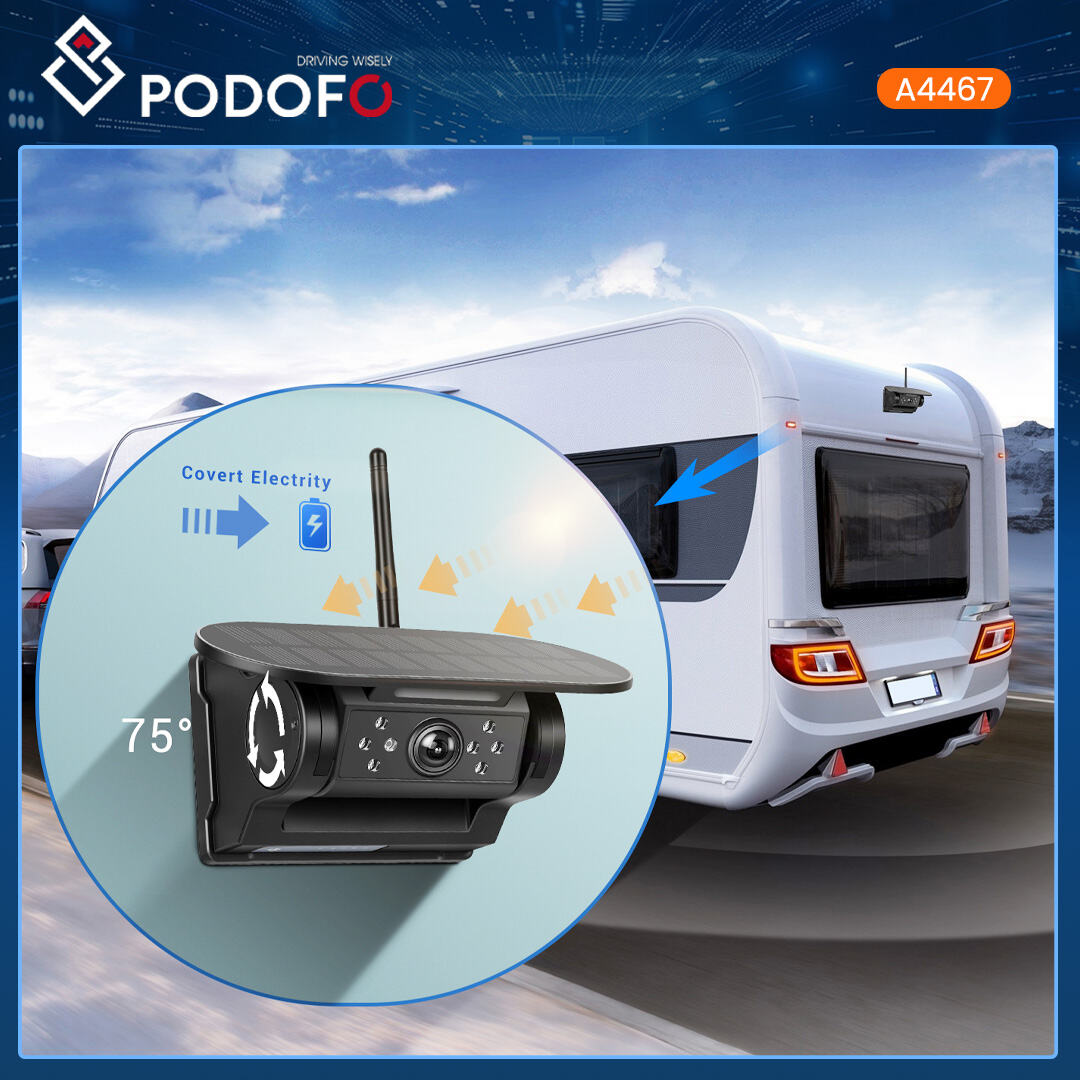
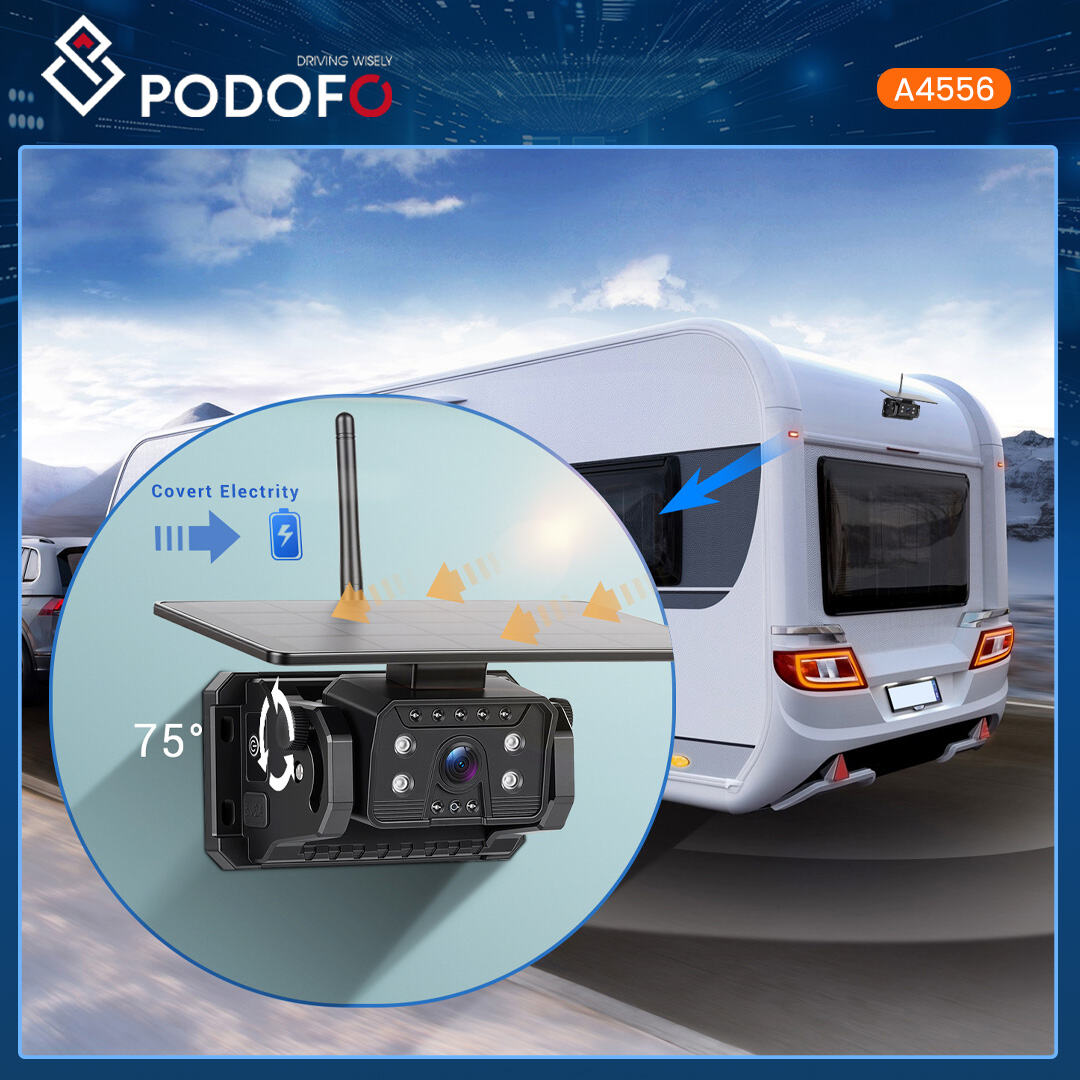
A solar reverse camera represents an innovative advancement in vehicle safety technology that combines traditional backup camera functionality with sustainable solar power capabilities. This cutting-edge device serves as an essential tool for drivers who need reliable visibility when reversing their vehicles, while simultaneously addressing energy efficiency concerns through integrated solar charging technology. The solar reverse camera operates by capturing real-time video footage of the area behind a vehicle and transmitting this information to a display screen inside the cabin, allowing drivers to navigate safely in reverse without relying solely on mirrors. What distinguishes this device from conventional backup cameras is its ability to harness solar energy through photovoltaic panels, reducing dependency on the vehicle's electrical system and ensuring continuous operation even when the vehicle is parked or idle. The technological framework of a solar reverse camera encompasses several sophisticated components, including high-resolution image sensors that capture clear video in various lighting conditions, wireless or wired transmission systems that relay footage to dashboard monitors, rechargeable battery units that store solar-generated electricity, and durable weatherproof housing designed to withstand environmental challenges. Modern solar reverse camera systems typically feature night vision capabilities using infrared LED technology, wide-angle lenses that provide comprehensive rear coverage ranging from 120 to 170 degrees, and intelligent parking guidelines that appear on screen to assist with precise maneuvering. The applications of solar reverse camera technology extend across numerous vehicle types and usage scenarios. Personal vehicle owners install these systems to enhance daily driving safety, particularly when reversing out of driveways, parking in tight spaces, or navigating crowded areas. Commercial fleet operators equip delivery vans, trucks, and service vehicles with solar reverse cameras to minimize accident risks, reduce insurance costs, and protect pedestrians in busy urban environments. Recreational vehicle enthusiasts rely on these cameras when maneuvering large motorhomes, campers, and trailers in campgrounds or narrow roads. Agricultural and construction equipment operators use solar reverse cameras to maintain awareness of surroundings when operating heavy machinery in complex work environments.

 EN
EN