Auto Electronic Manufacturer: Advanced Automotive Electronics Solutions & Systems

Get a Free Quote

Our representative will contact you soon.
Email
Name
Company Name
Client Types
Message
0/1000

auto electronic manufacturer

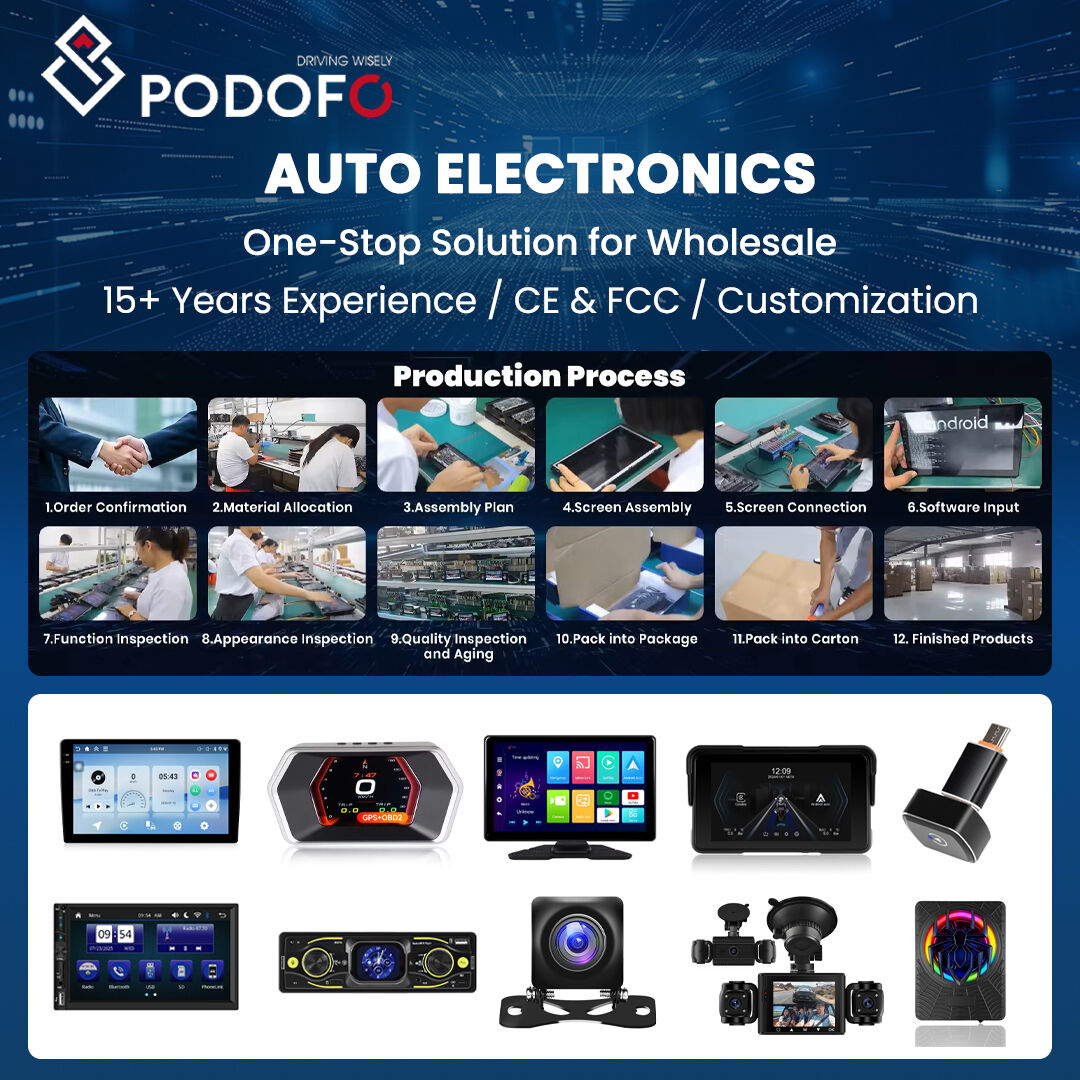
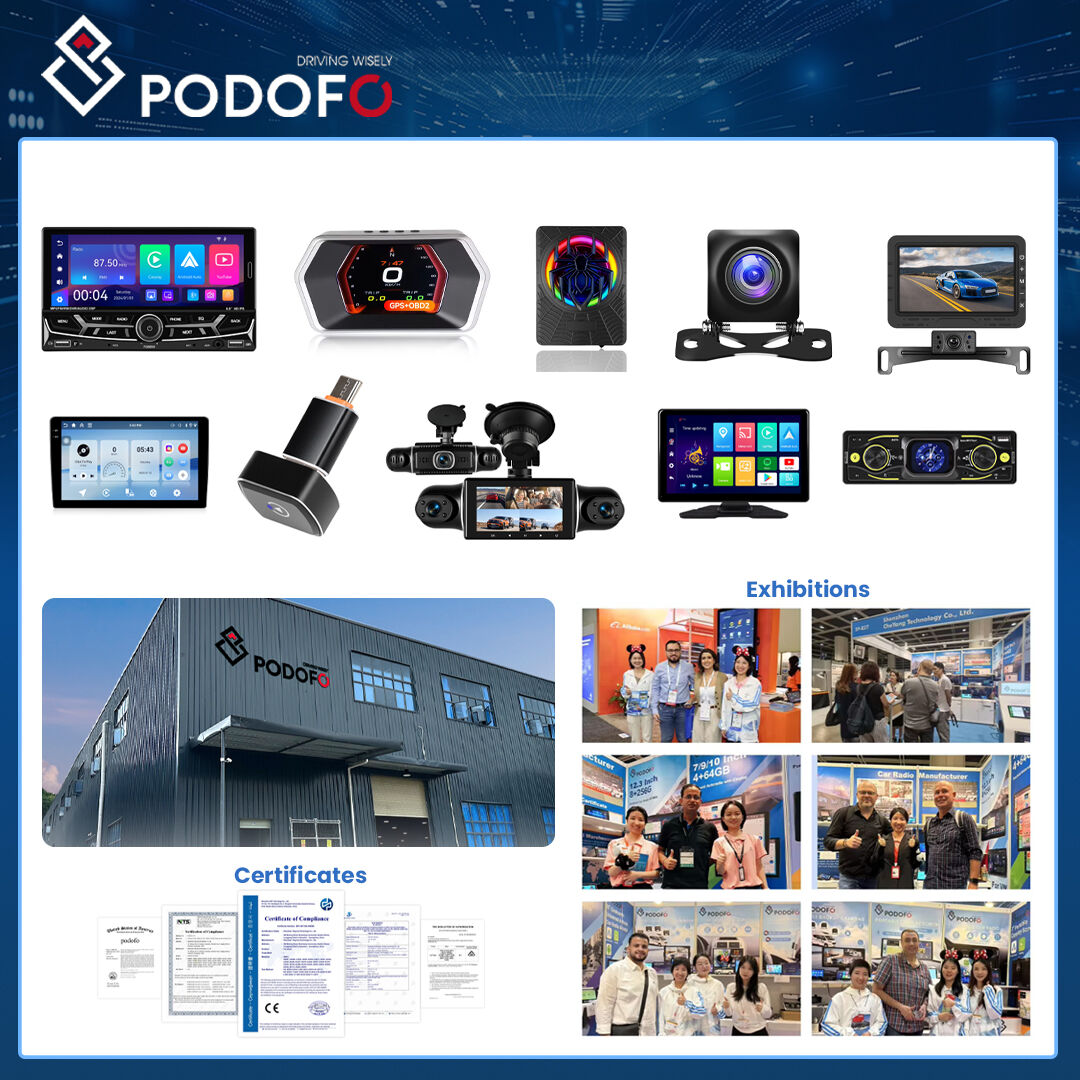
An auto electronic manufacturer represents a specialized industrial entity dedicated to designing, engineering, and producing sophisticated electronic components and systems for the automotive sector. These manufacturers serve as critical partners in the global automotive supply chain, delivering cutting-edge solutions that power modern vehicles. The primary functions of an auto electronic manufacturer encompass research and development of electronic control units, sensor systems, infotainment platforms, safety mechanisms, and powertrain management solutions. Their technological expertise spans circuit board design, embedded software programming, hardware integration, and rigorous quality testing protocols that meet international automotive standards. Auto electronic manufacturer facilities typically maintain advanced production lines equipped with surface-mount technology, automated optical inspection systems, and environmental testing chambers to ensure product reliability under extreme conditions. The applications of products from an auto electronic manufacturer extend across multiple vehicle categories including passenger cars, commercial trucks, electric vehicles, and hybrid automobiles. Core product offerings include engine control modules that optimize fuel efficiency and emissions, advanced driver assistance systems that enhance road safety, body control modules managing interior and exterior lighting, climate control units, battery management systems for electric powertrains, and multimedia entertainment interfaces. Modern auto electronic manufacturer operations integrate artificial intelligence capabilities, Internet of Things connectivity, and cybersecurity features to address evolving market demands. These manufacturers collaborate closely with original equipment manufacturers and tier-one suppliers, maintaining flexible production capabilities to accommodate both high-volume standardized components and customized solutions for specific vehicle platforms. The technological features distinguishing a leading auto electronic manufacturer include miniaturization expertise, thermal management solutions, electromagnetic compatibility design, and compliance with automotive safety integrity levels. Their manufacturing processes adhere to strict quality management systems such as IATF 16949 certification, ensuring consistent performance and traceability throughout the production lifecycle.


Popular Products

Partnering with an established auto electronic manufacturer delivers substantial practical benefits that directly impact your vehicle production efficiency and market competitiveness. First, you gain access to proven engineering expertise accumulated through years of automotive industry experience, eliminating the steep learning curve and development risks associated with building electronic capabilities internally. This expertise translates into shorter time-to-market cycles for new vehicle models, allowing you to respond quickly to consumer trends and regulatory changes. Cost efficiency represents another significant advantage, as an auto electronic manufacturer achieves economies of scale through consolidated production volumes across multiple clients, passing these savings directly to you through competitive pricing structures. Quality assurance becomes substantially more manageable when working with specialized manufacturers who maintain dedicated testing facilities and employ experienced quality engineers focused exclusively on automotive electronics validation. These manufacturers invest heavily in failure analysis equipment and environmental simulation chambers that most vehicle assemblers cannot justify economically. Supply chain reliability improves dramatically because an auto electronic manufacturer maintains established relationships with component suppliers, secures long-term material allocations, and implements buffer stock strategies to protect against disruptions. Technical support throughout the product lifecycle represents an often-overlooked advantage, providing you with responsive engineering assistance during design validation, production ramp-up, and field issue resolution. Innovation access becomes effortless as these manufacturers continuously invest in emerging technologies such as vehicle-to-everything communication, autonomous driving processors, and next-generation power electronics, offering you early adoption opportunities without independent research investments. Regulatory compliance simplifies considerably since experienced manufacturers maintain current knowledge of global automotive standards including functional safety requirements, electromagnetic compatibility regulations, and environmental directives, handling certification processes on your behalf. Scalability flexibility allows you to adjust production volumes according to market demand without capital investment in additional manufacturing capacity or workforce expansion. Risk mitigation occurs naturally through the manufacturer's insurance coverage, warranty programs, and established liability frameworks that protect your business interests. Documentation excellence ensures complete traceability for every component, supporting your recalls management and continuous improvement initiatives. Finally, working with a dedicated auto electronic manufacturer frees your internal resources to concentrate on core competencies such as vehicle design, brand development, and customer experience, maximizing your organizational effectiveness and competitive positioning in the automotive marketplace.

Latest News

How Does a CarPlay Screen Transform Traditional Car Multimedia Systems?

17

Mar

How Does a CarPlay Screen Transform Traditional Car Multimedia Systems?

The integration of a CarPlay screen into traditional car multimedia systems represents a fundamental shift in automotive technology, transforming how drivers interact with their vehicle's entertainment and navigation features. This revolutionary upgr...
View More
Why More Riders Are Switching to Motorcycle CarPlay

25

Mar

Why More Riders Are Switching to Motorcycle CarPlay

The motorcycle industry is experiencing a technological revolution, with motorcycle CarPlay emerging as one of the most sought-after upgrades among modern riders. This shift represents more than just a tech trend—it reflects a fundamental chang...
View More
How Can an Android Car Stereo Improve Navigation, Music, and Apps?

01

Apr

How Can an Android Car Stereo Improve Navigation, Music, and Apps?

Modern driving experiences demand more than basic radio functionality, and an Android car stereo represents a transformative upgrade that revolutionizes how drivers interact with navigation, entertainment, and connectivity features. Unlike traditiona...
View More
How Do Android CarPlay Device Suppliers Ensure Stable System Integration?

14

Apr

How Do Android CarPlay Device Suppliers Ensure Stable System Integration?

Android CarPlay device suppliers face complex technical challenges when delivering automotive infotainment systems that must seamlessly integrate with diverse vehicle platforms while maintaining reliable performance across various operating condition...
View More

Get a Free Quote

Our representative will contact you soon.
Email
Name
Company Name
Client Types
Message
0/1000

auto electronic manufacturer

Advanced Manufacturing Capabilities and Quality Control Systems

Advanced Manufacturing Capabilities and Quality Control Systems

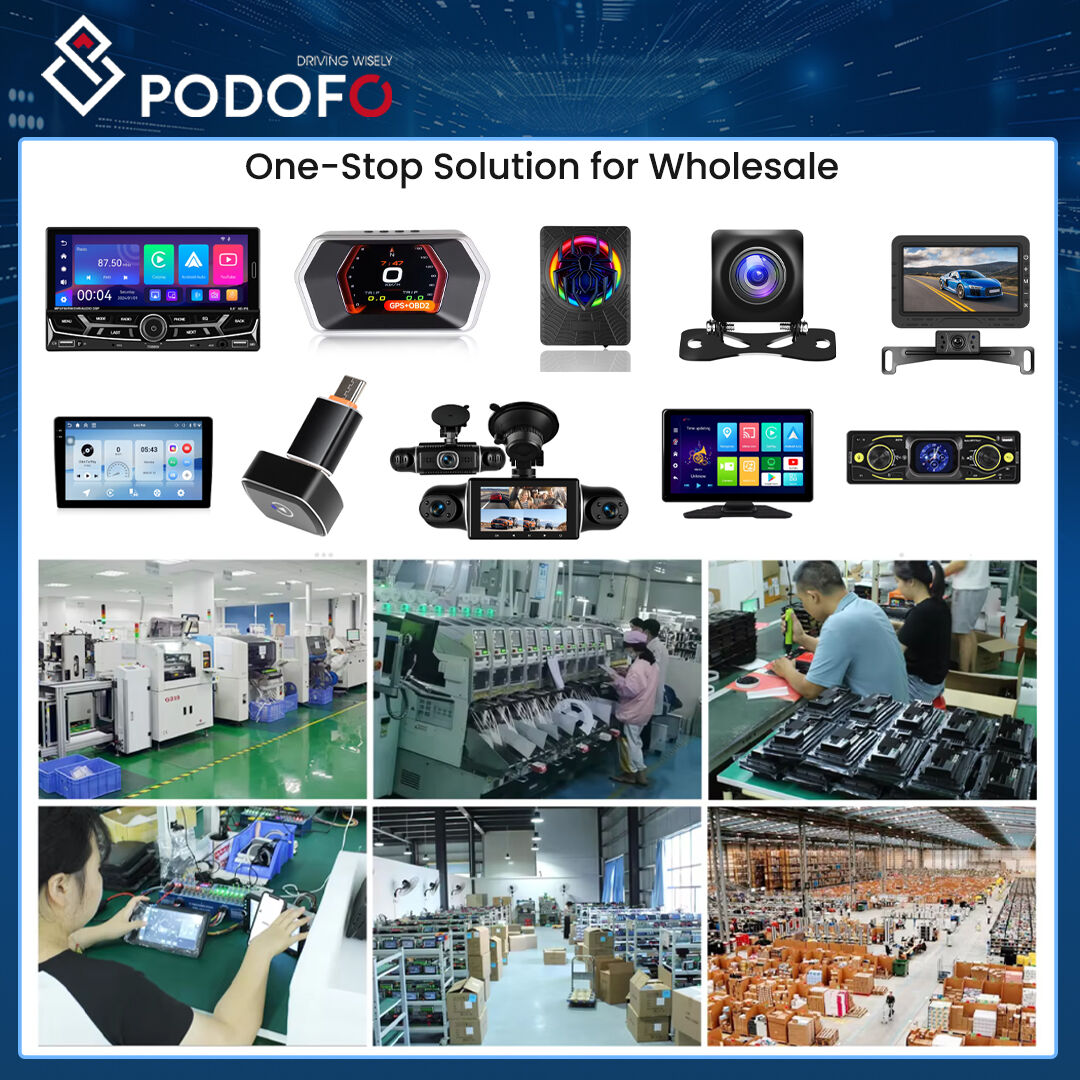
The manufacturing infrastructure of a professional auto electronic manufacturer represents a critical differentiator that directly determines product reliability and long-term partnership value. Modern facilities incorporate state-of-the-art automated assembly lines featuring robotic component placement systems capable of positioning microscopic elements with precision measured in microns, ensuring consistent quality across millions of units annually. These production environments maintain cleanroom standards comparable to semiconductor fabrication facilities, controlling particulate contamination that could compromise electronic performance or create latent failure mechanisms. Surface-mount technology equipment operates at speeds exceeding 100,000 component placements per hour while maintaining placement accuracy that meets the stringent requirements of automotive-grade electronics. Automated optical inspection systems examine every solder joint using high-resolution cameras and artificial intelligence algorithms, detecting defects invisible to human inspectors and preventing quality escapes before they reach your assembly line. X-ray inspection technology penetrates multilayer circuit boards to verify hidden solder connections and identify potential reliability issues in ball grid array packages and other advanced packaging technologies. Environmental stress screening subjects every production batch to accelerated aging protocols including thermal cycling between extreme temperature ranges, vibration profiles replicating decades of road conditions, and humidity exposure simulating diverse climate zones, ensuring only robust products reach vehicle integration. The quality management framework within an auto electronic manufacturer extends beyond production floor controls to encompass comprehensive supplier qualification programs, incoming material inspection protocols, and statistical process control methodologies that identify trends before they affect output quality. Traceability systems capture detailed records for every manufacturing step, creating a complete genealogy for each unit that supports rapid root cause analysis if field issues emerge and demonstrates due diligence for regulatory compliance. Calibration programs ensure measurement equipment maintains accuracy through regular verification against certified standards, while continuous improvement teams analyze production data to implement preventive measures and enhance manufacturing yields. The investment an auto electronic manufacturer makes in these capabilities protects your brand reputation, reduces warranty costs, and provides confidence that safety-critical systems will perform reliably throughout vehicle service life, delivering measurable value that far exceeds initial component costs.
Comprehensive Engineering Support and Customization Flexibility

Comprehensive Engineering Support and Customization Flexibility

The engineering resources available through an auto electronic manufacturer provide invaluable support that accelerates your product development timelines and optimizes system integration. Dedicated application engineering teams work collaboratively with your design staff from initial concept phases through production launch, offering technical consultation on component selection, circuit topology optimization, and system architecture decisions that balance performance requirements against cost constraints and manufacturing feasibility. This collaborative approach leverages the manufacturer's deep knowledge of electronic component behavior, failure mechanisms, and design best practices accumulated across diverse automotive applications, helping you avoid costly mistakes and redesign cycles. Customization capabilities enable tailoring of standard product platforms to meet specific vehicle requirements, adjusting parameters such as communication protocols, mounting configurations, connector specifications, and software functionality without the time and expense of completely custom development. Simulation and modeling services utilize advanced computer-aided engineering tools to predict thermal performance, electromagnetic emissions, mechanical stress distribution, and electrical behavior under various operating scenarios, validating designs virtually before physical prototyping and reducing development iterations. Rapid prototyping capabilities produce functional samples quickly for integration testing in your vehicle platforms, incorporating design modifications based on evaluation feedback and accelerating the refinement process. The software engineering expertise within an auto electronic manufacturer addresses the increasingly complex embedded programming requirements of modern automotive systems, developing and validating application code, diagnostic routines, and over-the-air update mechanisms that meet automotive software process improvement and functional safety standards. Electromagnetic compatibility engineering ensures products meet radiated and conducted emission limits while maintaining immunity to interference from other vehicle systems, conducting pre-compliance testing in shielded chambers and implementing mitigation strategies before formal certification testing. Failure mode and effects analysis conducted by experienced reliability engineers systematically examines potential failure scenarios, assessing risk levels and implementing design safeguards to achieve required safety integrity levels for critical functions. Documentation packages provided by an auto electronic manufacturer include detailed technical specifications, interface control documents, application notes, and integration guidelines that simplify your engineering tasks and support efficient knowledge transfer across your development teams. This comprehensive engineering support structure transforms the manufacturer from a simple component supplier into a strategic technical partner who contributes actively to your vehicle program success and competitive differentiation.
Strategic Supply Chain Management and Long-Term Partnership Value

Strategic Supply Chain Management and Long-Term Partnership Value

The supply chain capabilities of an established auto electronic manufacturer deliver strategic advantages that strengthen your competitive position and operational resilience in an increasingly volatile global environment. Long-standing relationships with semiconductor suppliers, passive component manufacturers, and raw material providers enable preferential allocation during industry shortages, ensuring your production schedules remain protected when market disruptions affect component availability. Sophisticated demand forecasting systems integrate your production plans with inventory management algorithms, automatically adjusting raw material procurement and work-in-process levels to maintain optimal buffer stocks without excessive capital tied up in inventory. Dual-source strategies implemented by responsible manufacturers maintain qualified alternate suppliers for critical components, providing continuity options if primary sources experience quality issues, capacity constraints, or geopolitical complications affecting supply reliability. Geographic diversification of manufacturing facilities offers risk mitigation against regional disruptions from natural disasters, political instability, or pandemic-related lockdowns, with the ability to shift production between sites to maintain continuous supply to your assembly plants worldwide. Logistics expertise encompasses international shipping coordination, customs documentation, packaging optimization for transportation efficiency, and inventory positioning strategies that balance transportation costs against delivery responsiveness. Vendor-managed inventory programs can transfer supply chain management responsibilities to the auto electronic manufacturer, allowing them to monitor your consumption patterns and replenish stock automatically according to agreed parameters, reducing your administrative burden and working capital requirements. Long-term agreements with auto electronic manufacturer partners provide pricing stability through multi-year contracts that protect your cost structures from short-term market volatility while incentivizing the manufacturer to invest in dedicated capacity and continuous improvement initiatives specific to your programs. Technology roadmap alignment ensures the manufacturer's development priorities match your future vehicle platform requirements, coordinating investments in next-generation capabilities such as higher voltage systems for electric vehicles, increased processing power for autonomous functions, and enhanced cybersecurity features for connected services. Sustainability initiatives within responsible manufacturers address environmental impact through conflict mineral compliance, restricted substance elimination, energy-efficient production processes, and product lifecycle management that considers end-of-life recyclability, helping you meet corporate social responsibility objectives and regulatory requirements. Business continuity planning demonstrates the manufacturer's commitment to supply reliability through documented disaster recovery procedures, backup data systems, and financial stability that ensures organizational longevity matching your vehicle program lifecycles that often span decades. This strategic supply chain partnership creates competitive advantages through reduced procurement costs, minimized supply disruption risks, and access to innovation pipelines that keep your vehicle offerings at the technology forefront.

Get a Free Quote

Our representative will contact you soon.
Email
Name
Company Name
Client Types
Message
0/1000