Auto Electronics: Advanced Vehicle Systems for Safety, Performance & Connectivity

Get a Free Quote

Our representative will contact you soon.
Email
Name
Company Name
Client Types
Message
0/1000

auto electronics

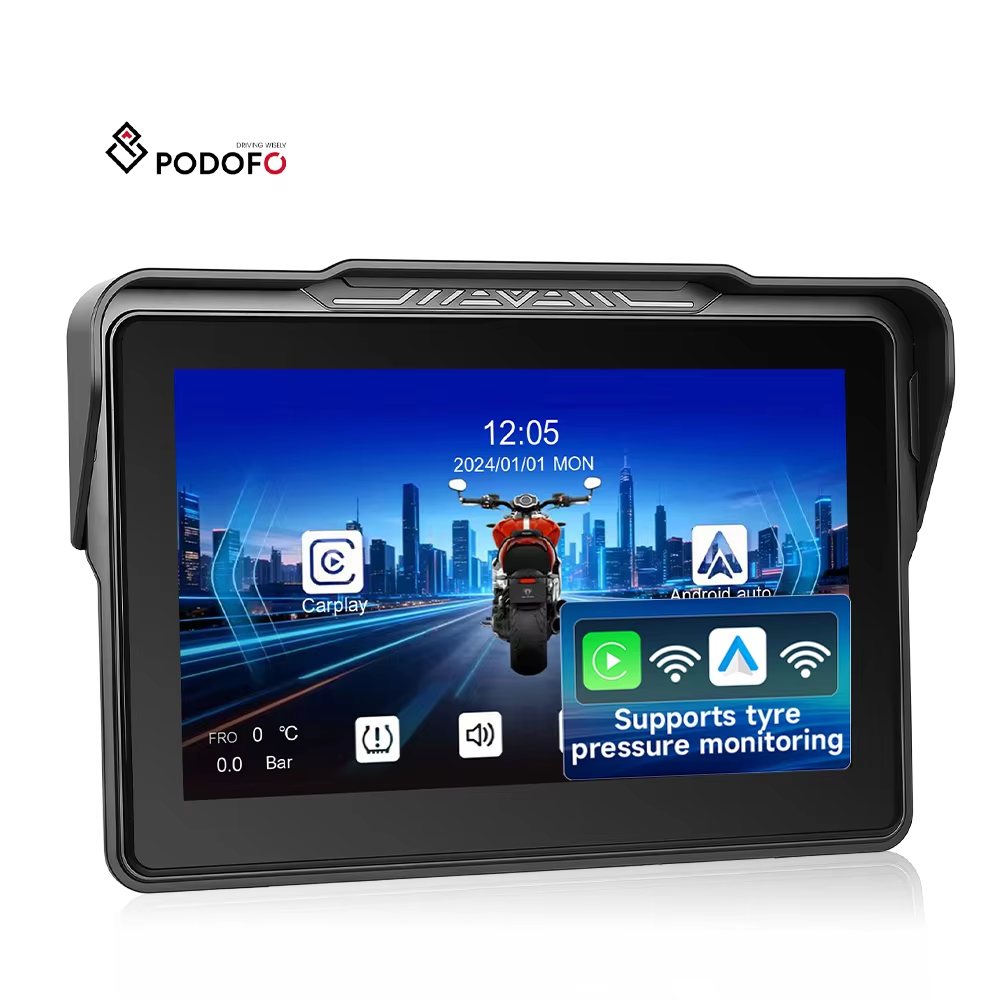
Auto electronics represent the sophisticated technological backbone of modern vehicles, transforming traditional automobiles into intelligent, connected machines that enhance safety, comfort, and performance. These advanced electronic systems encompass a wide array of components including engine control units, infotainment systems, advanced driver assistance systems, electronic stability control, and sensor networks that work harmoniously to optimize vehicle operation. The integration of auto electronics has revolutionized the automotive industry by enabling vehicles to monitor countless parameters in real-time, process vast amounts of data instantly, and execute precise adjustments to ensure optimal performance under varying driving conditions. From basic functions like power windows and central locking to complex operations such as adaptive cruise control and collision avoidance systems, auto electronics serve as the nerve center of contemporary vehicles. These systems utilize microprocessors, sensors, actuators, and communication networks to manage everything from fuel injection timing and transmission shifts to climate control and entertainment features. The technological evolution of auto electronics continues to accelerate with innovations in artificial intelligence, machine learning, and connectivity protocols that enable vehicles to communicate with infrastructure and other vehicles. Modern auto electronics incorporate fail-safe mechanisms and redundant systems to ensure reliability and safety, while also providing diagnostic capabilities that help identify and resolve issues quickly. The automotive electronics market has expanded dramatically as manufacturers integrate more sophisticated features to meet consumer demands for enhanced safety, convenience, and environmental responsibility. These systems now account for a significant portion of a vehicle's total value, reflecting their critical importance in modern automotive design and functionality.

New Product Recommendations

Auto electronics deliver transformative benefits that directly improve your daily driving experience and long-term vehicle ownership satisfaction. First and foremost, these systems significantly enhance your safety on the road by constantly monitoring your vehicle's surroundings and mechanical status, alerting you to potential hazards before they become dangerous situations. When you drive a vehicle equipped with modern auto electronics, you gain access to features like automatic emergency braking that can prevent collisions, lane departure warnings that keep you centered in your lane, and blind spot detection that eliminates dangerous guessing games during lane changes. Your fuel economy improves substantially because electronic engine management systems optimize combustion efficiency with precision that mechanical systems simply cannot match, saving you money every time you fill up at the pump. The convenience factor cannot be overstated as auto electronics enable you to control numerous vehicle functions with simple button presses or voice commands, from adjusting climate settings to navigating to your destination using integrated GPS systems. Your vehicle becomes more reliable because electronic diagnostic systems continuously monitor component health and alert you to maintenance needs before minor issues escalate into costly repairs. The resale value of your vehicle remains stronger when equipped with advanced auto electronics because buyers actively seek these features and recognize their value. Your comfort increases dramatically as electronic suspension systems automatically adjust to road conditions, maintaining smooth rides regardless of surface quality. You stay connected to your digital life through infotainment systems that seamlessly integrate with your smartphones, allowing hands-free communication and access to apps without compromising safety. Your parking becomes stress-free with electronic parking assistance that guides you into tight spaces using sensor arrays and sometimes even handles the steering automatically. The environmental impact of your driving decreases as auto electronics optimize engine performance to reduce emissions while maintaining power output. You gain peace of mind knowing that multiple electronic safety nets work continuously in the background, protecting you and your passengers from various risks. Your night driving becomes safer with adaptive headlight systems that automatically adjust beam patterns based on traffic and road conditions, improving visibility without blinding other drivers.

Tips And Tricks

How Do Auto Electronic Systems Improve Vehicle Safety and Convenience?

04

Mar

How Do Auto Electronic Systems Improve Vehicle Safety and Convenience?

Modern vehicles have transformed from simple mechanical machines into sophisticated technological platforms, largely due to the integration of auto electronic systems. These advanced electronic components and networks have revolutionized how we inter...
View More
Why More Riders Are Switching to Motorcycle CarPlay

25

Mar

Why More Riders Are Switching to Motorcycle CarPlay

The motorcycle industry is experiencing a technological revolution, with motorcycle CarPlay emerging as one of the most sought-after upgrades among modern riders. This shift represents more than just a tech trend—it reflects a fundamental chang...
View More
How Do Android CarPlay Device Suppliers Ensure Stable System Integration?

14

Apr

How Do Android CarPlay Device Suppliers Ensure Stable System Integration?

Android CarPlay device suppliers face complex technical challenges when delivering automotive infotainment systems that must seamlessly integrate with diverse vehicle platforms while maintaining reliable performance across various operating condition...
View More
Why Is Android Auto Technology Growing in the Automotive Industry?

21

Apr

Why Is Android Auto Technology Growing in the Automotive Industry?

The automotive industry has witnessed unprecedented transformation in recent years, with digital integration becoming a cornerstone of modern vehicle design. Among the most significant developments is the rapid expansion of Android Auto technology, w...
View More

Get a Free Quote

Our representative will contact you soon.
Email
Name
Company Name
Client Types
Message
0/1000

auto electronics

Intelligent Safety Systems That Protect You Every Moment

Intelligent Safety Systems That Protect You Every Moment

The safety advantages provided by auto electronics represent perhaps the most compelling reason to embrace this technology in your next vehicle purchase. Modern vehicles equipped with comprehensive electronic safety systems create multiple layers of protection that work simultaneously to prevent accidents and minimize injury risk when collisions cannot be avoided. Electronic stability control systems monitor your vehicle's actual trajectory against your intended direction hundreds of times per second, automatically applying individual brakes and adjusting engine power to prevent dangerous skids and loss of control situations that could otherwise result in serious accidents. Anti-lock braking systems utilize electronic sensors and rapid-response valves to prevent wheel lockup during emergency stops, allowing you to maintain steering control while achieving maximum braking force on various road surfaces. Advanced driver assistance systems employ radar, cameras, and ultrasonic sensors to create a comprehensive awareness of your vehicle's surroundings, detecting pedestrians, cyclists, other vehicles, and obstacles that might escape your attention during momentary distractions or in blind spot areas. Collision warning systems analyze closing speeds and trajectories to determine when impact becomes likely, alerting you with visual and audible warnings that escalate in urgency as danger increases. Automatic emergency braking takes safety intervention one step further by applying maximum braking force when the system detects an imminent collision and you have not responded to warnings, potentially preventing the accident entirely or significantly reducing impact severity. Lane keeping assistance systems use camera technology to monitor road markings and provide gentle steering corrections when you begin drifting from your lane without signaling, addressing one of the leading causes of highway accidents. Adaptive cruise control maintains safe following distances automatically by adjusting your speed based on traffic ahead, reducing driver fatigue on long trips while preventing common rear-end collisions that occur when drivers fail to notice slowing traffic. Tire pressure monitoring systems alert you when inflation levels drop below safe thresholds, preventing blowouts and improving fuel efficiency while extending tire life. These interconnected safety features work harmoniously to create a protective cocoon around you and your passengers, dramatically reducing accident probability and severity.
Seamless Connectivity and Entertainment Integration

Seamless Connectivity and Entertainment Integration

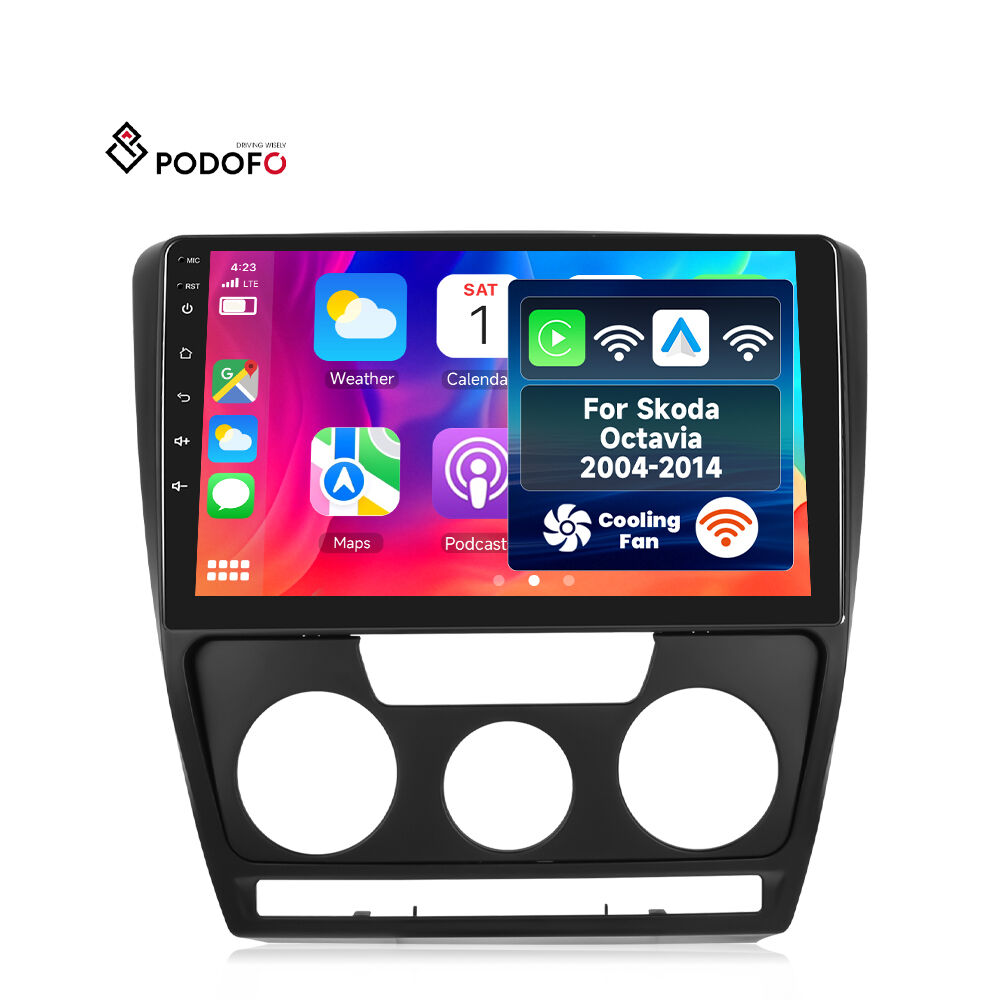
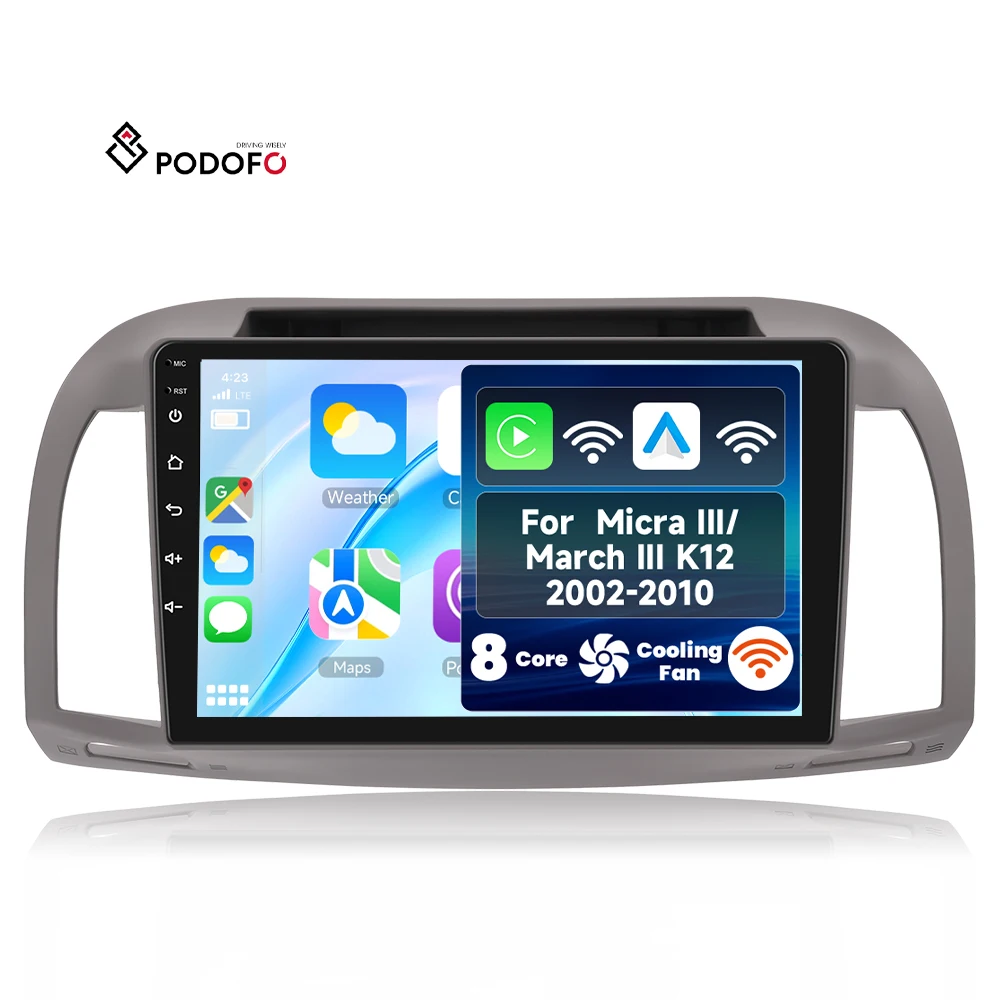
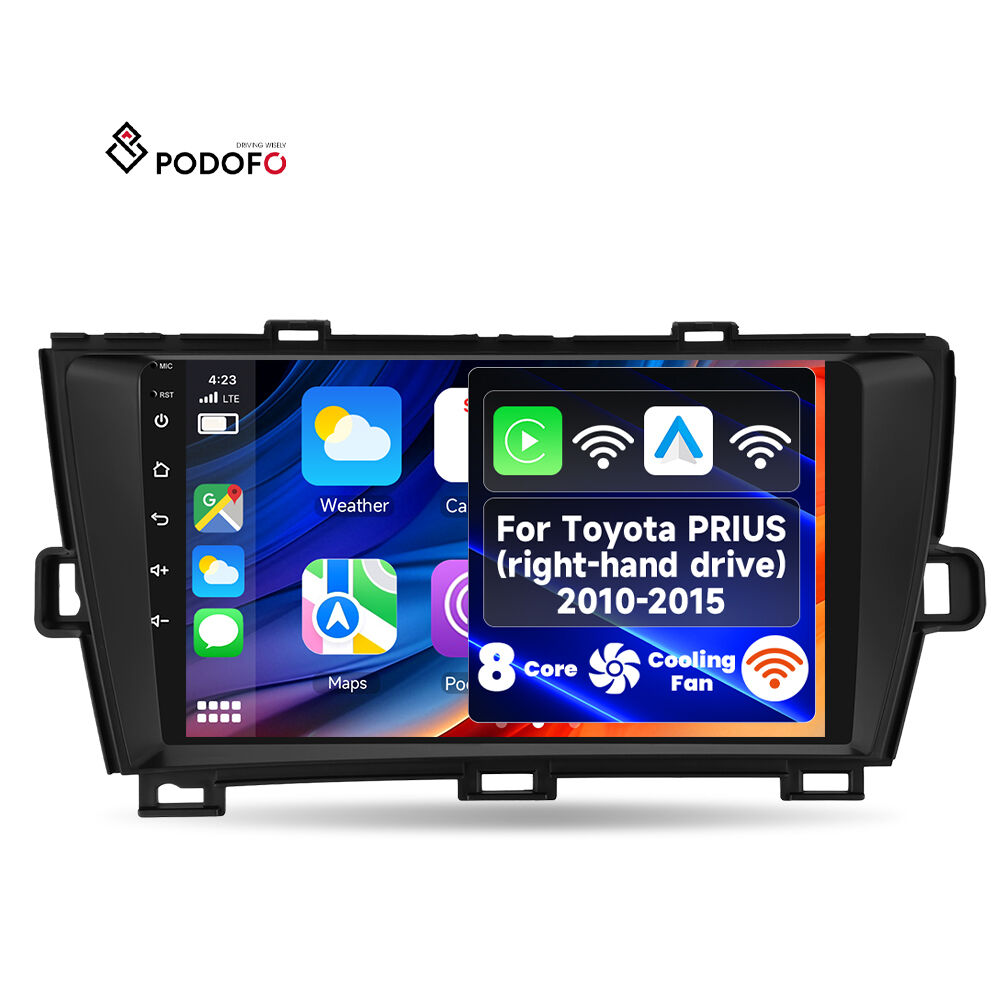
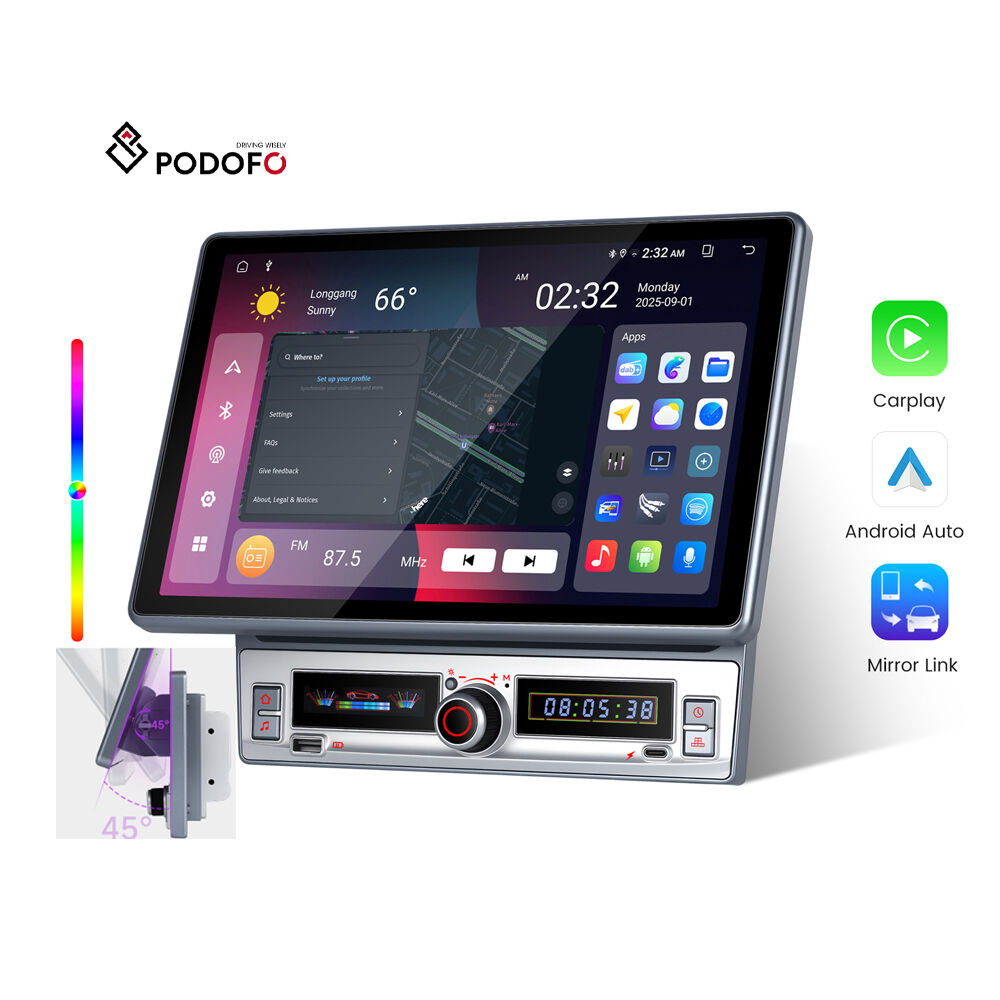
Auto electronics have transformed vehicles into mobile connectivity hubs that keep you seamlessly integrated with your digital lifestyle while maintaining focus on safe driving practices. Modern infotainment systems serve as sophisticated command centers that consolidate entertainment, navigation, communication, and vehicle control functions into intuitive interfaces accessible through touchscreens, voice commands, and steering wheel controls. Smartphone integration platforms enable your device to interface directly with your vehicle's systems, projecting familiar apps and interfaces onto larger screens while routing audio through superior speaker systems and enabling voice control that keeps your hands on the wheel and eyes on the road. Navigation systems utilizing GPS technology combined with real-time traffic data provide dynamic routing that adapts to current conditions, automatically suggesting alternate routes when accidents or congestion threaten to delay your arrival, saving you time and reducing stress during daily commutes and long-distance travel. Bluetooth connectivity eliminates tangled cables while enabling hands-free phone conversations with crystal-clear audio quality through integrated microphone arrays and noise cancellation technology that filters out engine and wind noise. Streaming audio services integrate directly into vehicle interfaces, giving you access to millions of songs, podcasts, and audiobooks without fumbling with your phone or depleting its battery. Voice recognition systems have evolved to understand natural language commands, allowing you to control navigation, climate, entertainment, and communication functions using conversational phrases rather than memorizing specific command structures. Wireless charging pads keep your devices powered without cable clutter, ensuring your phone remains ready for use when you reach your destination. Multi-zone climate control systems managed by sophisticated auto electronics allow passengers to customize their comfort preferences independently, eliminating disagreements over temperature settings. Premium audio systems featuring digital signal processing deliver concert-quality sound through strategically positioned speakers that create immersive listening experiences. Remote connectivity features enable you to start your vehicle, adjust climate settings, lock or unlock doors, and monitor vehicle status from your smartphone, adding convenience and security to your ownership experience. These connectivity features transform commute time into productive or entertaining experiences rather than wasted hours.
Enhanced Performance and Efficiency Optimization

Enhanced Performance and Efficiency Optimization

Auto electronics revolutionize vehicle performance and efficiency through precise control systems that continuously optimize countless parameters to deliver maximum power when needed while minimizing fuel consumption and emissions during normal operation. Electronic fuel injection systems represent a quantum leap beyond mechanical carburetors, utilizing sensors to measure air temperature, throttle position, engine speed, oxygen content in exhaust gases, and numerous other variables to calculate precisely the optimal fuel delivery for current conditions, resulting in improved acceleration response, smoother idle, easier cold starting, and significantly better fuel economy. Transmission control units manage gear selection with intelligence that mechanical systems cannot match, analyzing vehicle speed, engine load, throttle input, road grade, and even your driving style to determine ideal shift points that balance performance demands with efficiency priorities. Variable valve timing systems controlled by sophisticated electronics adjust intake and exhaust valve operation based on engine speed and load conditions, enabling engines to deliver strong low-end torque for acceleration while also producing impressive high-rpm power and maintaining excellent fuel efficiency during cruising. Turbocharger boost control managed by electronic systems prevents over-pressurization that could damage engines while maximizing power output across broad rpm ranges, delivering thrilling acceleration without sacrificing reliability. Cylinder deactivation technology seamlessly shuts down half the cylinders during light-load cruising conditions when full engine power is unnecessary, significantly improving highway fuel economy without noticeable performance changes because electronic systems manage the transitions so smoothly. Start-stop systems automatically shut off the engine during idle periods at traffic lights or in congestion, then restart instantly when you release the brake pedal, reducing fuel consumption and emissions in urban driving where vehicles spend considerable time stationary. Electronic throttle control eliminates mechanical linkages between your accelerator pedal and engine, instead using sensors and actuators that enable sophisticated traction control interventions and integration with cruise control systems. All-wheel-drive systems managed by electronics can distribute power between front and rear axles and even between individual wheels in milliseconds, optimizing traction on slippery surfaces while improving handling dynamics on dry pavement. Engine management systems continuously adapt their calibrations based on factors like fuel quality and altitude, ensuring optimal performance regardless of operating conditions. These performance and efficiency enhancements deliver tangible benefits you experience every time you drive while also reducing environmental impact and operating costs throughout your vehicle's lifespan.


Get a Free Quote

Our representative will contact you soon.
Email
Name
Company Name
Client Types
Message
0/1000