Versatile Integration and Multi-Camera Expandability
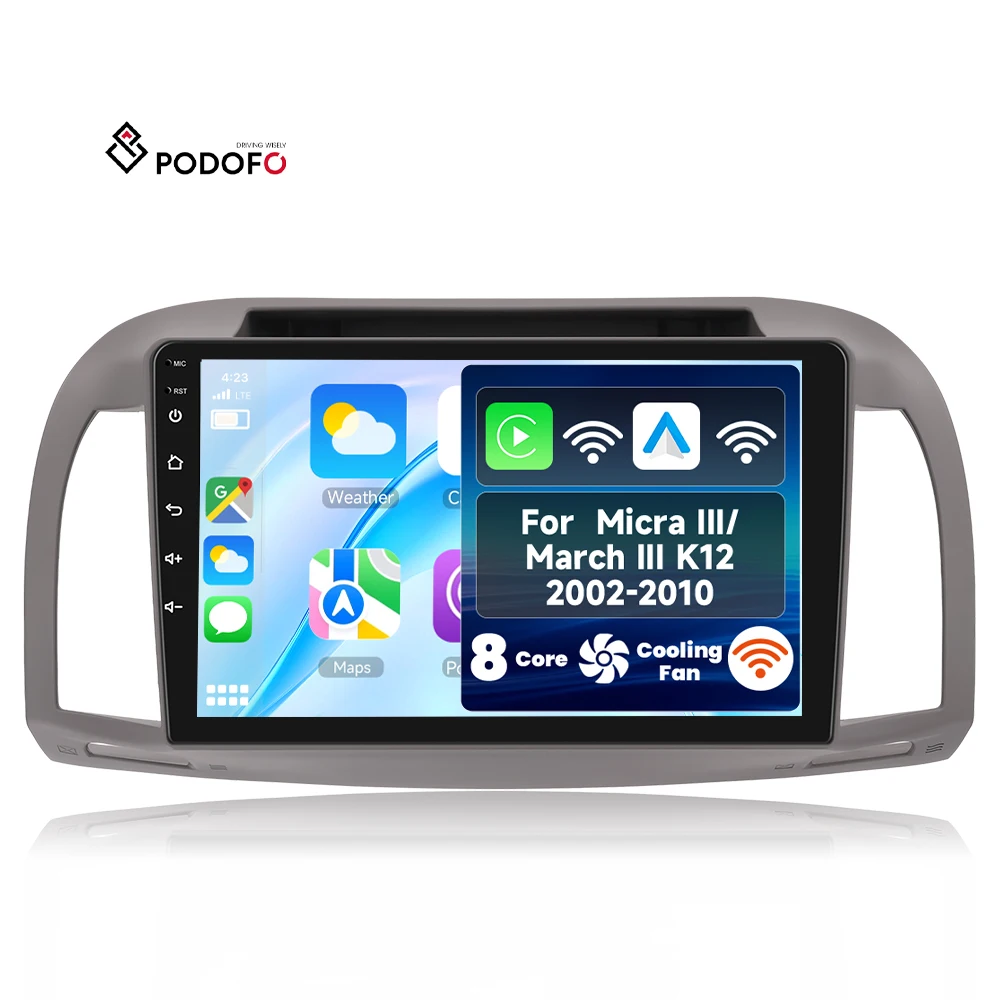
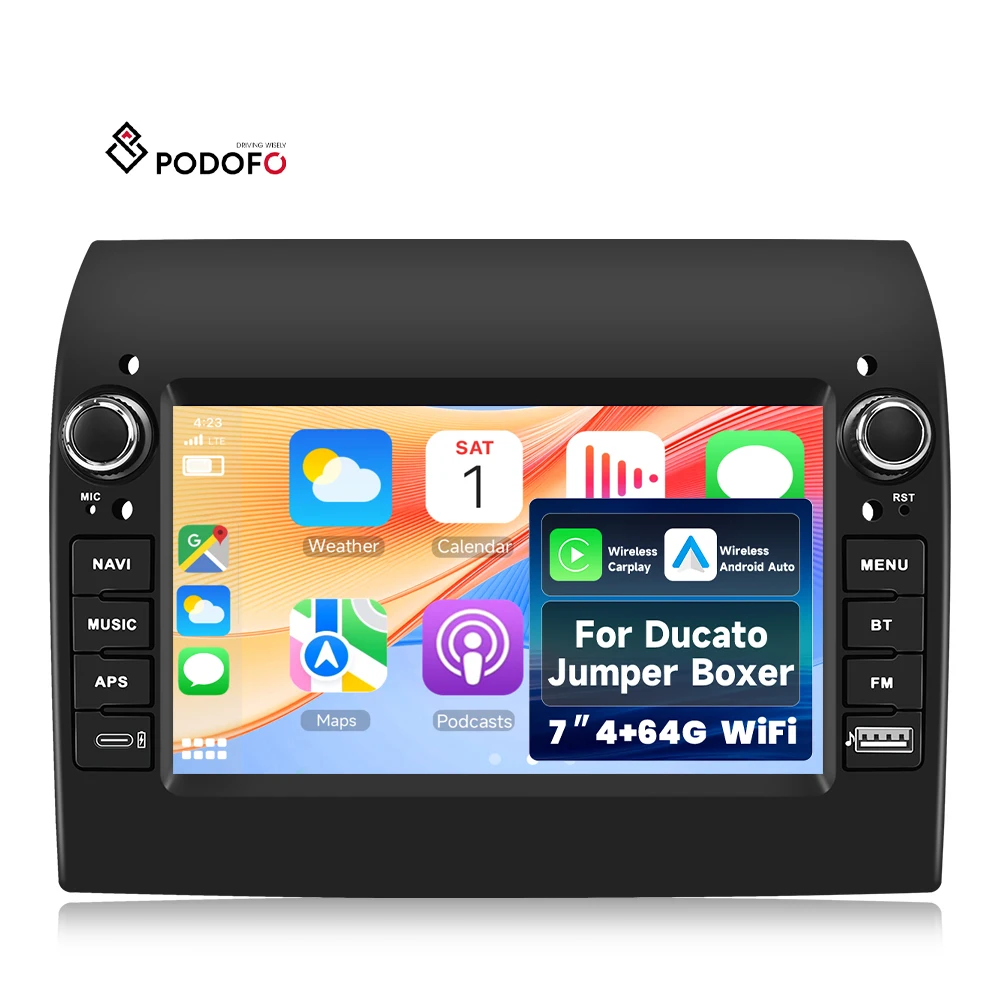
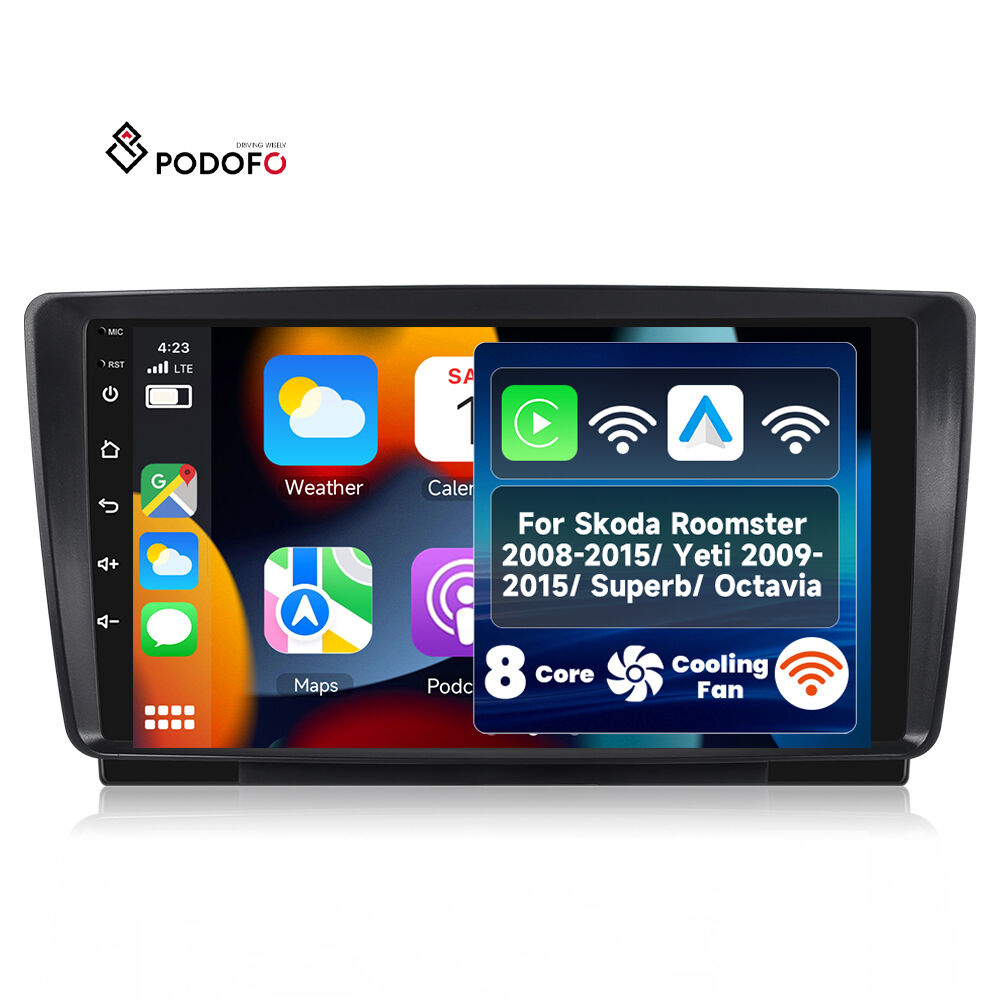
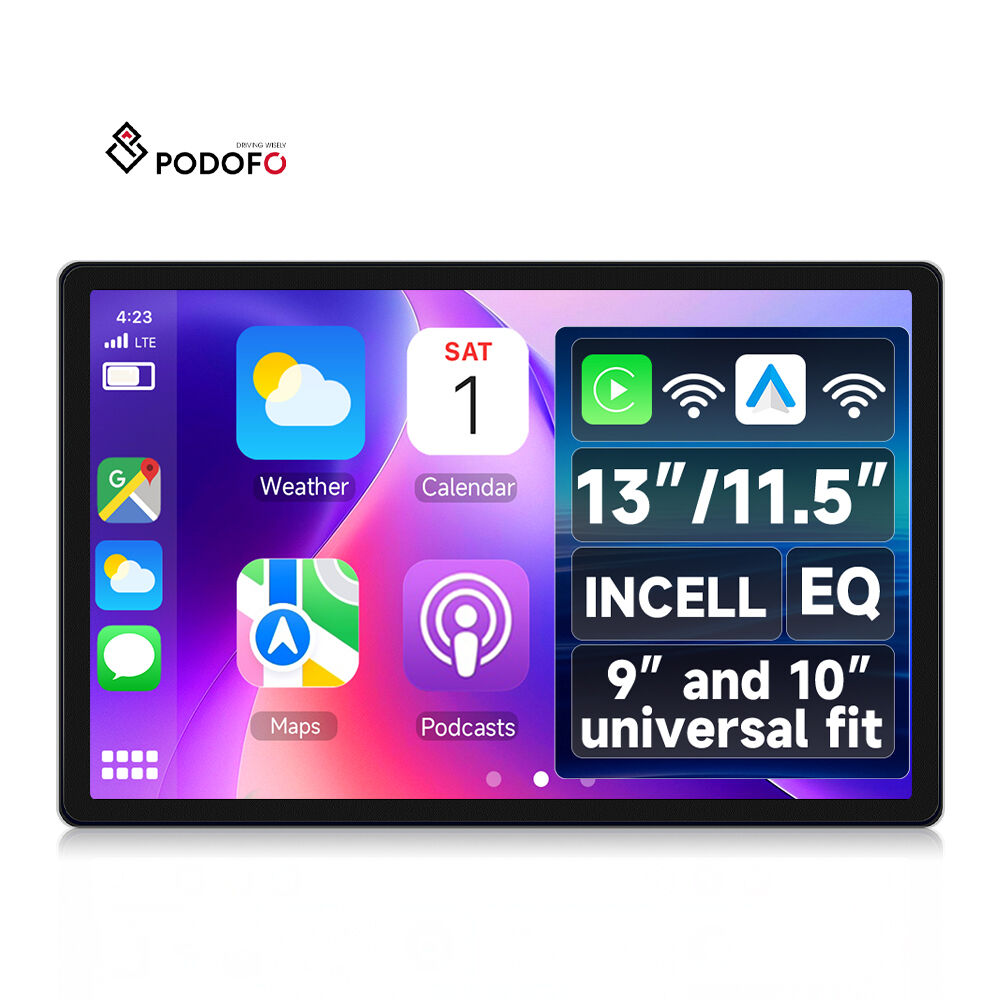
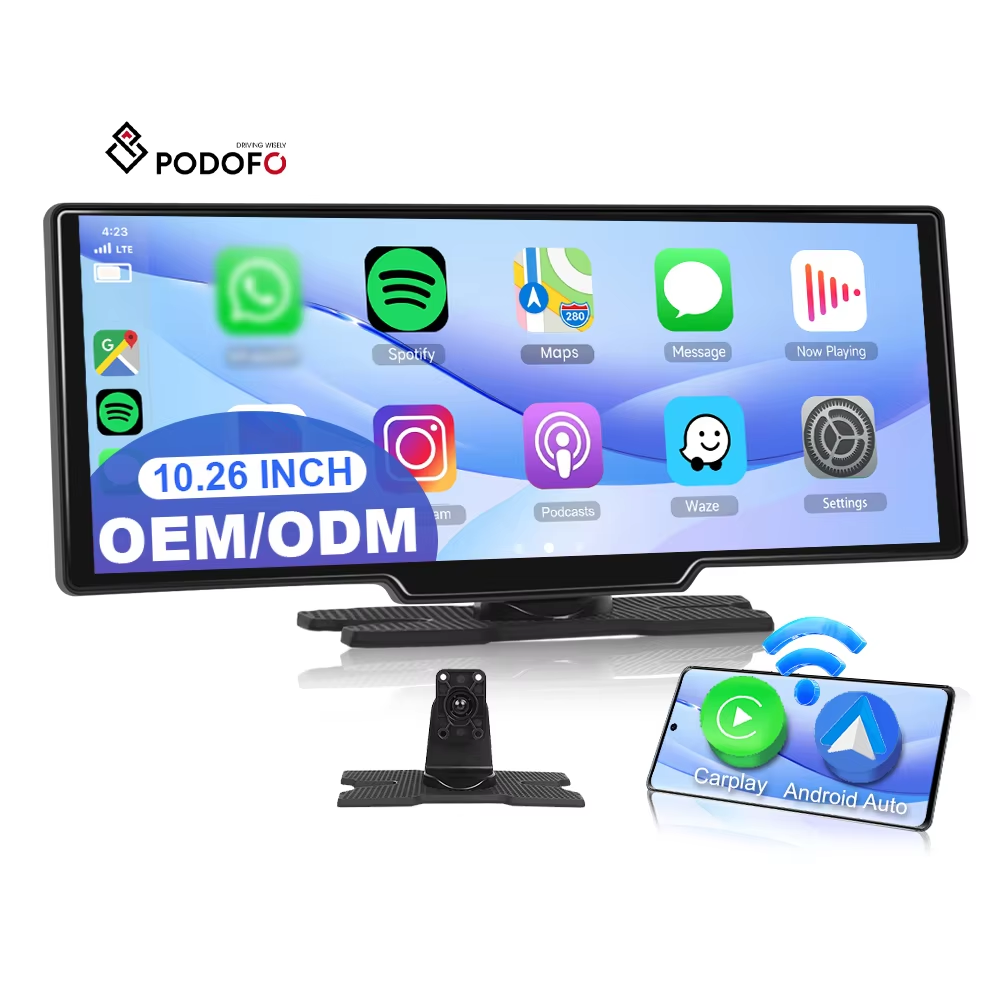
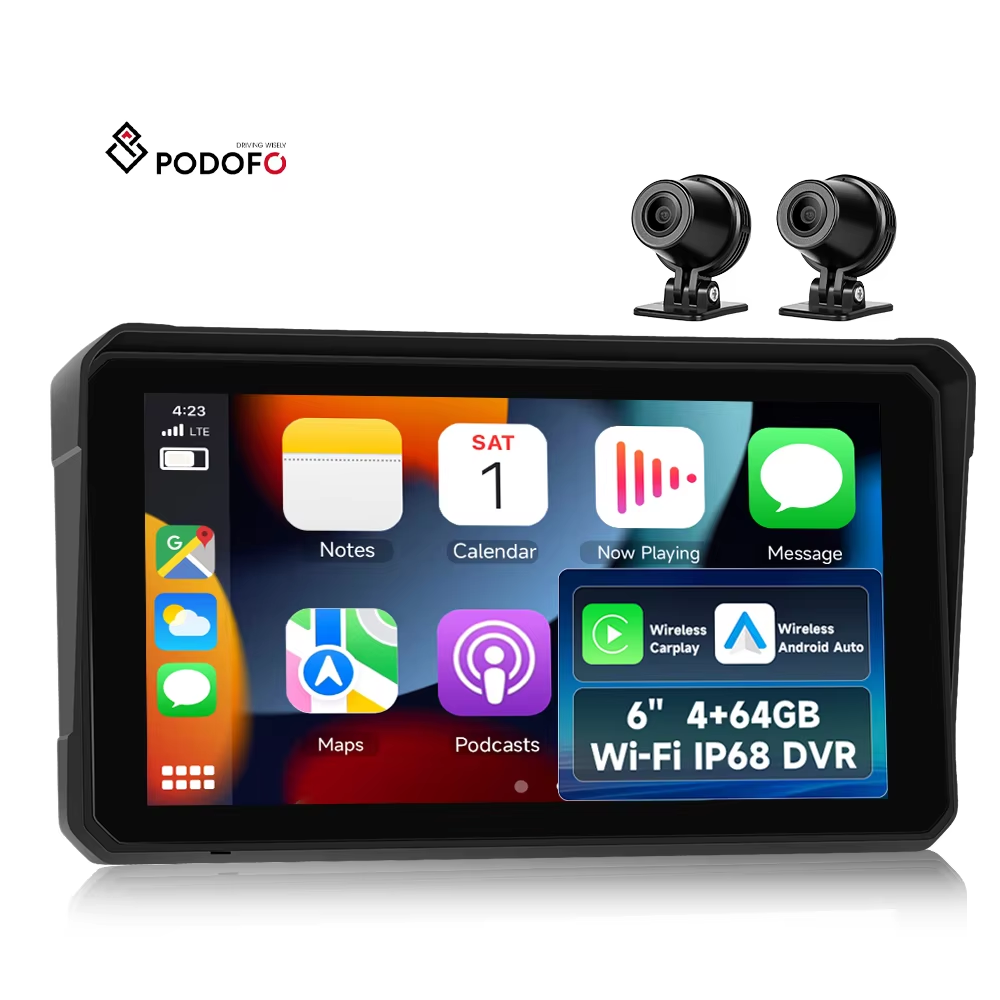
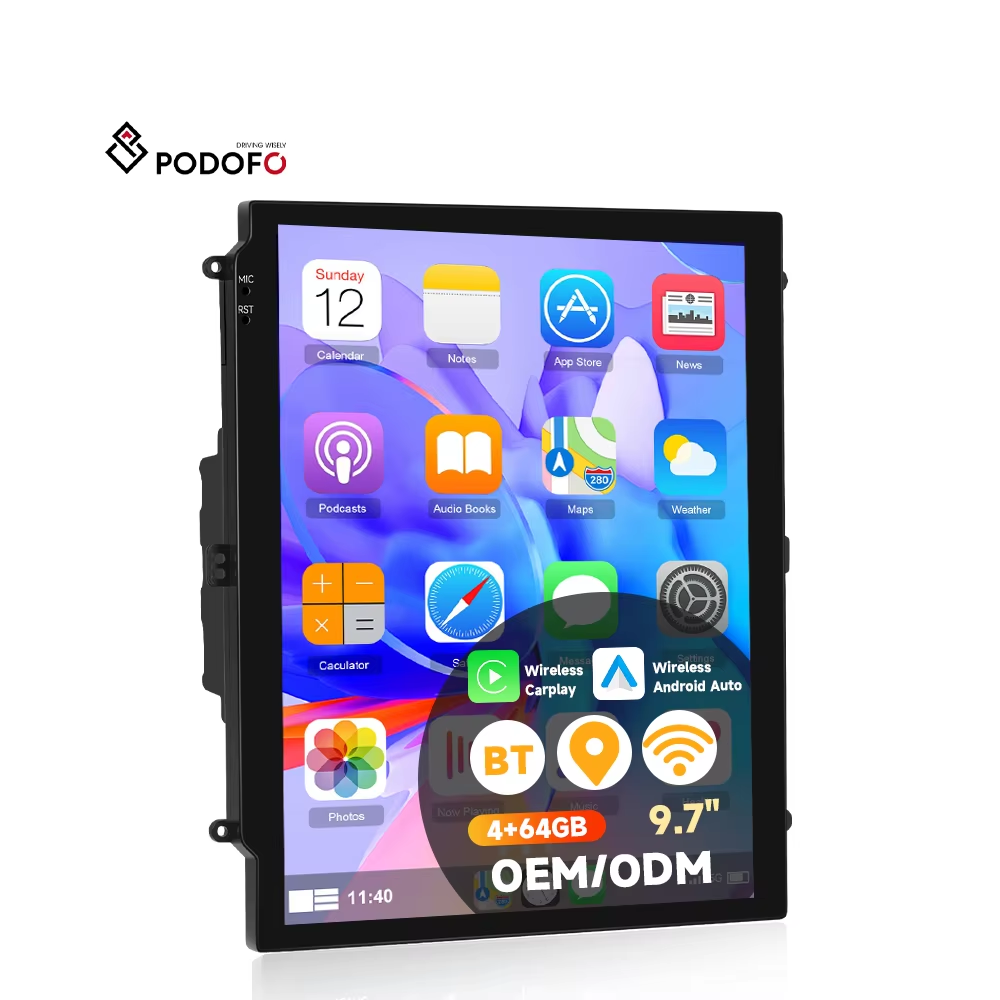
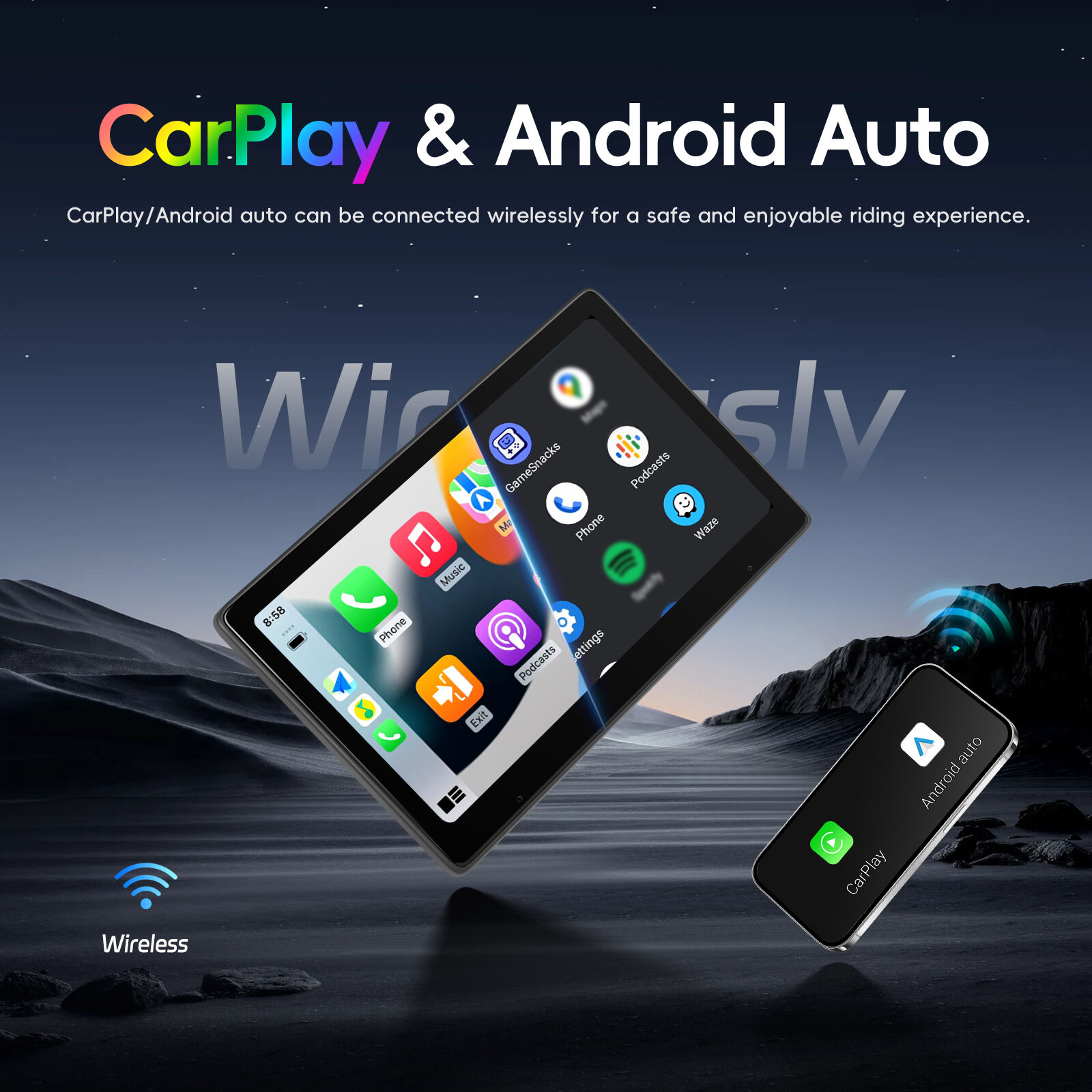
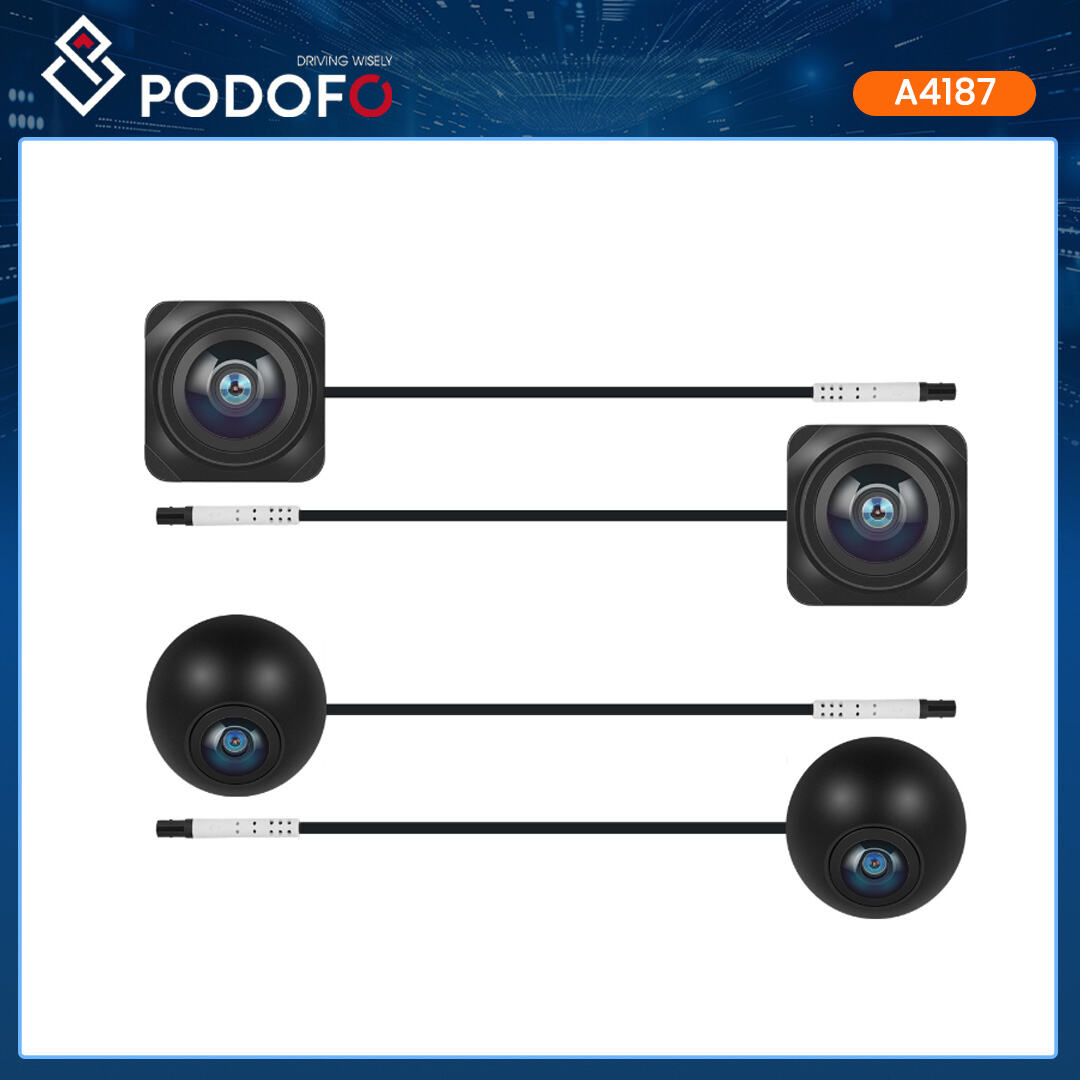
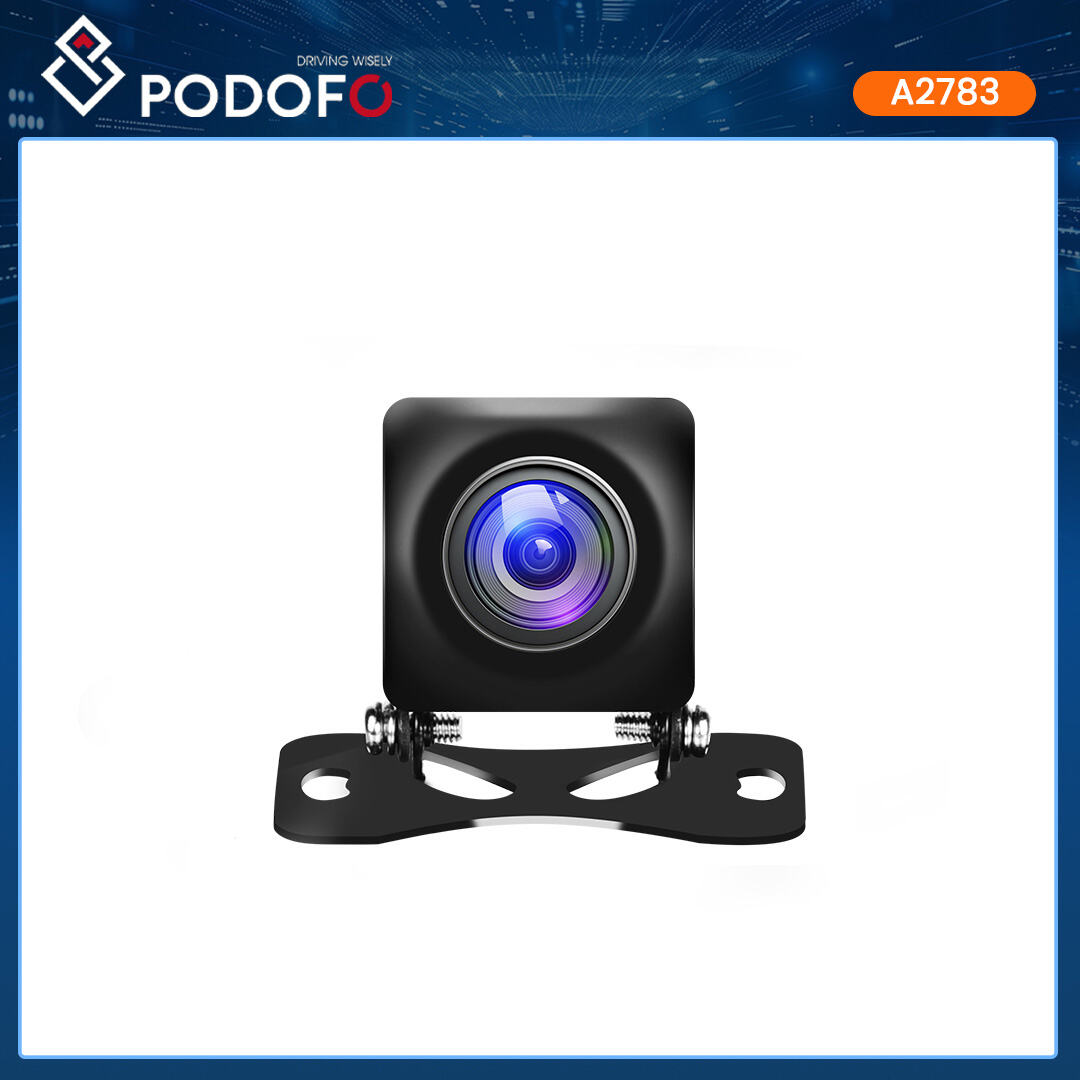
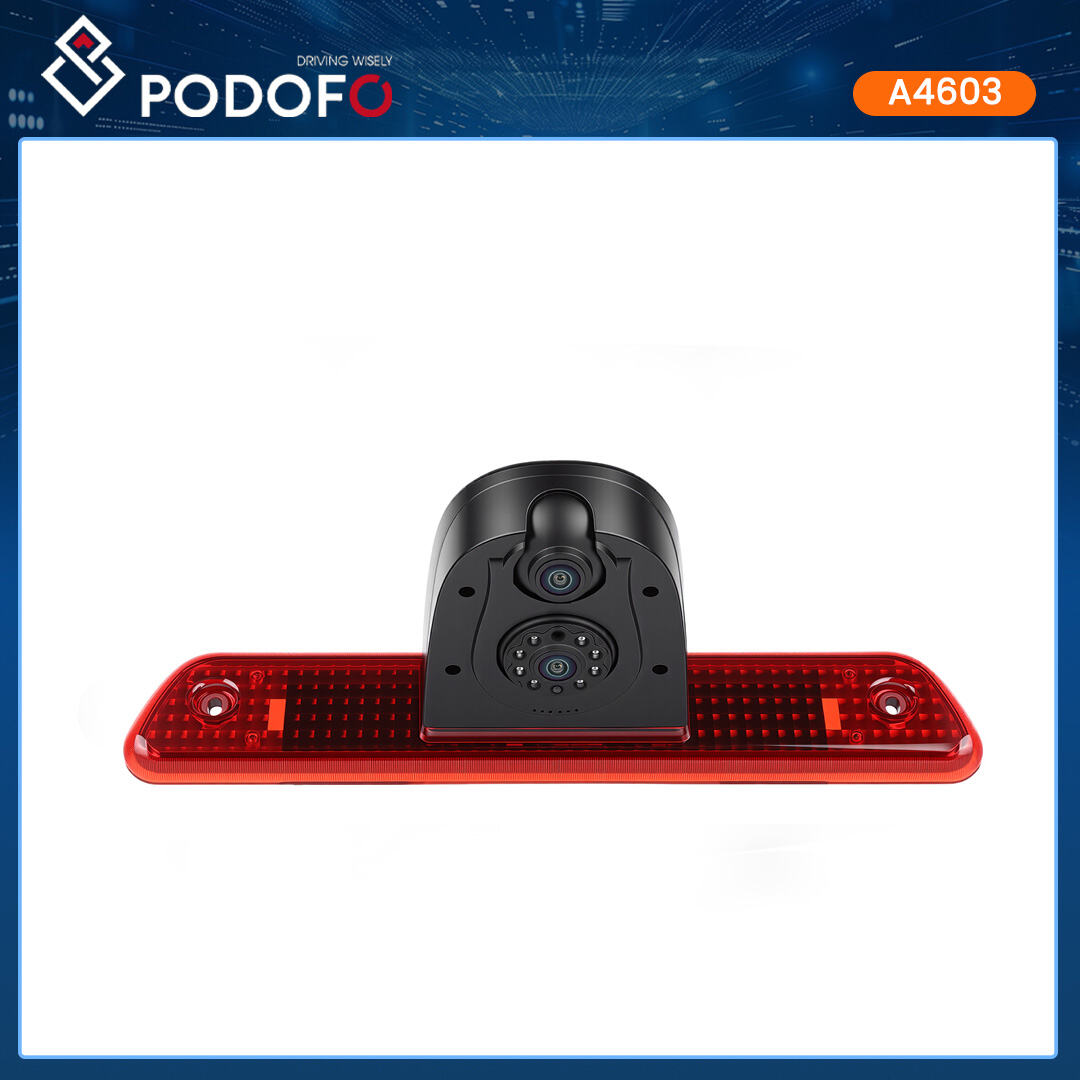
Modern reverse camera technology offers remarkable flexibility through seamless integration with existing vehicle systems and the capability to expand into comprehensive surround-view monitoring. Entry-level reverse camera installations typically consist of a single rear-facing camera connected to a dedicated display screen, providing substantial safety benefits through this basic configuration. However, the true versatility of contemporary systems emerges when considering integration possibilities with factory-installed or aftermarket infotainment systems. Many reverse camera units feature standardized video outputs compatible with touch-screen head units, allowing the rear camera view to appear on the same display used for navigation, audio control, and smartphone connectivity. This integration eliminates dashboard clutter by consolidating multiple functions onto a single screen. The system intelligence automatically switches to camera view when reverse gear engages, then returns to the previous screen after shifting back to drive. Some premium vehicles incorporate the reverse camera feed into the instrument cluster display or head-up display, positioning critical safety information directly in the driver's line of sight. For drivers seeking maximum awareness, expandable reverse camera systems support multiple camera inputs to create a complete surround-view monitoring solution. Additional cameras mounted on front bumpers, side mirrors, or blind spot locations feed into a central processing unit that combines these perspectives. Bird's-eye view systems use sophisticated software algorithms to stitch together feeds from four or more cameras, creating a computer-generated overhead perspective that shows the vehicle and its immediate surroundings as if viewed from above. This 360-degree awareness proves invaluable for navigating tight spaces, avoiding curbs, and monitoring vulnerable zones around large vehicles. Commercial applications particularly benefit from multi-camera configurations, with delivery trucks and buses utilizing side cameras to monitor passenger doors and loading areas. Recording capability represents another valuable integration feature available in many reverse camera systems. Continuous loop recording to SD cards or cloud storage creates a driving record that documents all reversing maneuvers. This footage provides crucial evidence following parking lot incidents or disputes regarding fault in low-speed collisions. Some systems include impact sensors that automatically save and protect footage when detecting sudden deceleration, ensuring important evidence remains preserved. Mobile connectivity extends functionality further, with WiFi-enabled reverse camera systems allowing smartphone or tablet viewing of camera feeds. Fleet managers can remotely monitor driver behavior and vehicle positioning, while individual owners gain the ability to check on their vehicle from a distance. The expandability and integration capabilities of modern reverse camera technology mean these systems grow alongside your needs, starting with basic rear visibility and potentially expanding into comprehensive vehicle monitoring solutions.

 EN
EN