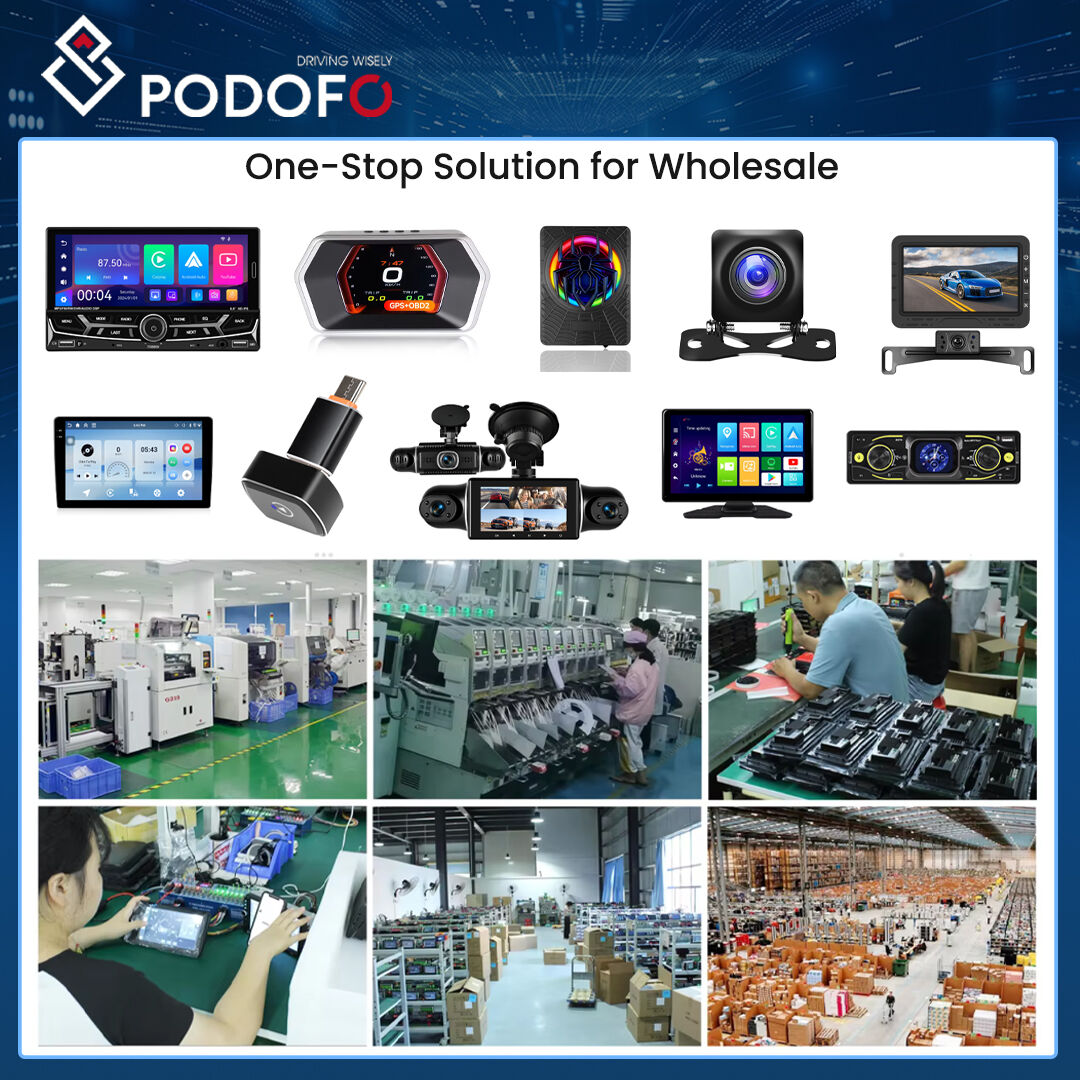
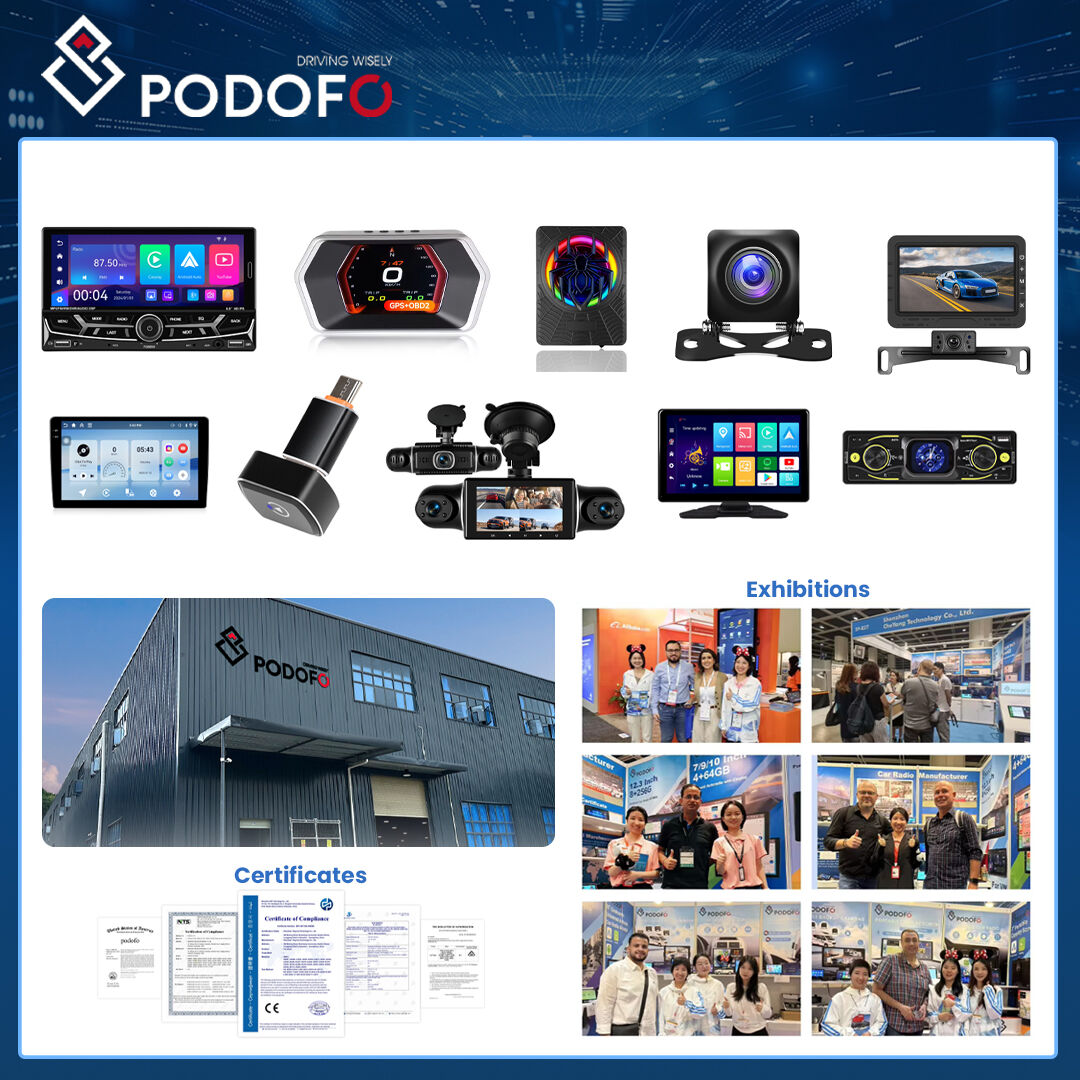
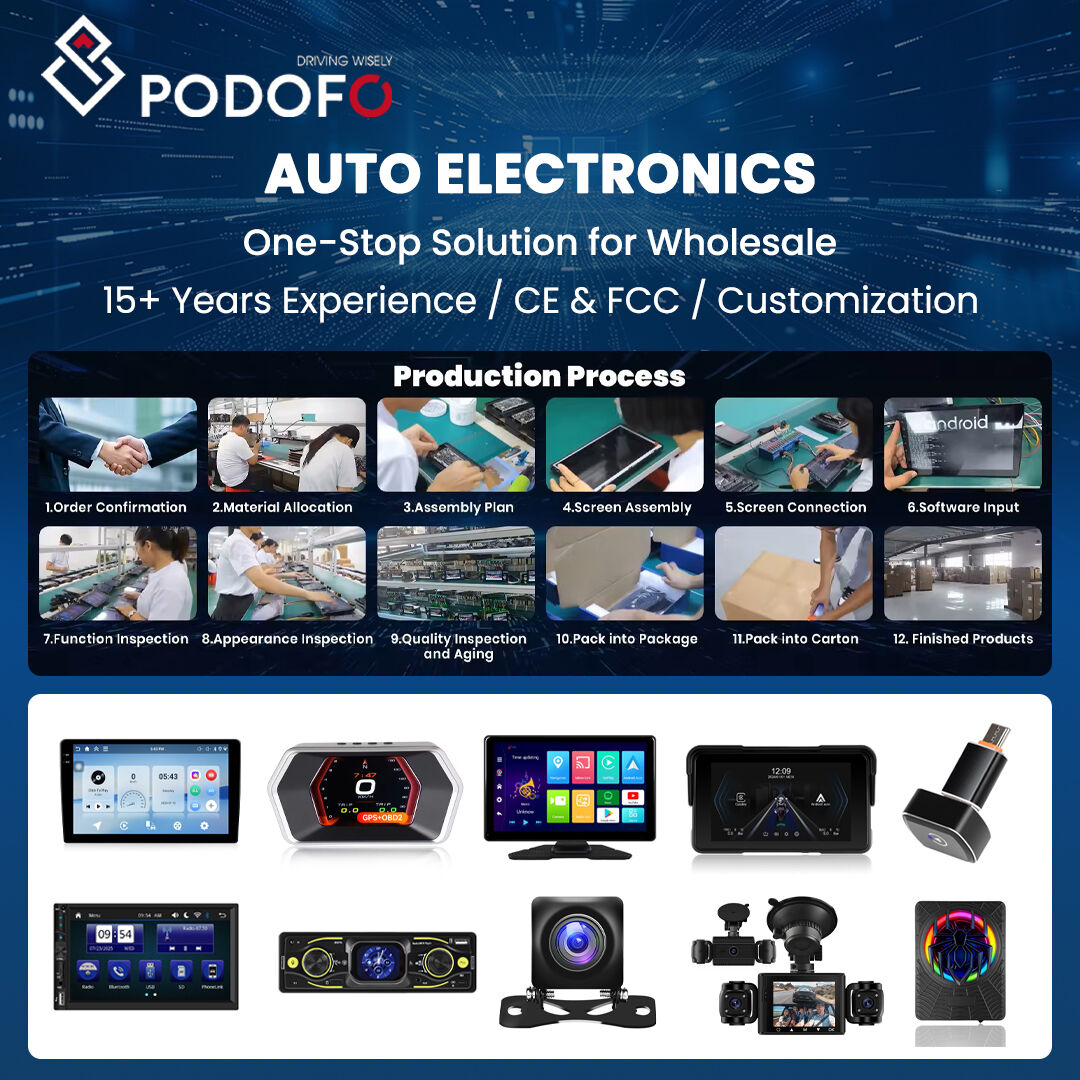
מערכות ניהול איכות מקיפות
השָׁרַת איכות מובילה מגדירה כל תחום של פעולות מפעל אלקטרוניקה לאוטומוביל, ומיושמת באמצעות מערכות ניהול מקיפות המבטיחות שהמוצרים עומדים באופן עקבי בדרישות התעשייה האוטומובילית הקפדניות או חורגים מהן, וכן בציפיות הלקוחות. המתקנים הללו מחזיקים במספר אישורים לאיכות, כולל IATF 16949 שפותח במיוחד לספקים בתעשיית הרכב, ISO 9001 לניהול איכות כללי, ולעיתים גם ISO 14001 לניהול סביבתי, מה שממחיש גישה שיטתית לבקרת תהליכים ולשיפור מתמיד של הביצועים. מסע האיכות מתחיל בשלב אימות העיצוב, שבו מפעל האלקטרוניקה לאוטומוביל עובד בשיתוף פעולה עם הלקוחות כדי לבדוק את המפרט, לזהות את האתגרים האפשריים בייצור ולשפר את העיצוב לייחודיות וביצועיות. ניתוח מצבי כשל ואפקטים (DFMEA) בוחן באופן שיטתי את מנגנוני הכשל הפוטנציאליים, ומקצה מספרי עדיפות לסיכונים שמהם נגזרים השיפורים בעיצוב ובקרת התהליכים. תהליכי אישור חלק ייצור (PPAP) דורשים תיעוד נרחב וביצוע בדיקות רבות לפני תחילת הייצור הסדרתי, כולל אימות ממדים, אישור חומרים והוכחת ביצועים בתנאי סביבה קיצוניים. תוכניות דגימה סטטיסטית מנהלות את בדיקת החומרים הנכנסים, ומבטיחות שהספקים מספקים רכיבים בהתאם למפרט ללא צורך לבדוק כל פריט בנפרד, תוך שילוב בין יעילות עלות לניהול סיכונים. מחקרי יכולת תהליך מודדים את עקביות הייצור, ומחשבים מדדים המראים את מרכוז התהליך והשונות שלו ביחס לגבולות המפרט, ומספקים ראיה אובייקטיבית לפוטנציאל האיכותי. מפעל האלקטרוניקה לאוטומוביל מיישם ביקורות תהליכים מרובדות, שבהן מפקחים, מנהלים ועובדי איכות בודקים באופן עצמאי את צעדי התהליך הקריטיים מדי יום, מדי שבוע ומדי חודש, כדי להבטיח התאמה מתמשכת לإجراءات הפעלה סטנדרטיות. ניתוח מערכת המדידה מאשרת כי ציוד הבדיקה מספק תוצאות מדויקות וחוזרות על עצמן, ומבטל את אי-הוודאות במדידה כמקור לפגמים מזויפים. מערכות פעולות תיקון חוקרות פגמים באופן שיטתי באמצעות שיטות אנליזת סיבת השורש כגון 'חמשת למה' ודיאגרמות דג-עוף, ומיישמות פתרונות קבועים ולא תיקונים זמניים בלבד. מהנדסי איכות הספקים עובדים ישירות עם ספקי החומרים כדי לפתור בעיות איכות במקורן, ושופרים בכך את איכות הרכיבים הנכנסים, מה שמעלים את אמינות המוצר הסופי. מהנדסי איכות הלקוחות שומרים על ערוצי תקשורת ישירים עם יצרני רכב, מגיבים במהירות לתלונות מהשטח ומיישמים שיפורים בהתבסס על נתוני ביצועים מהעולם האמיתי. מפעל האלקטרוניקה לאוטומוביל מבצע ביקורות ניהול רגילות שבודקות מדדי איכות, משוב לקוחות, ממצאי ביקורות והזדמנויות לשיפור, ומבטיחות מעורבות מנהלית בתרבות האיכות. התמקדות מקיפה זו באיכות מספקת ערך מדיד באמצעות הפחתת עלויות אחריות, שיפור שביעות רצון הלקוחות, שיפור המוניטין המותגי והיכולת להתחרות על עסקאות עם יצרני רכב מובילים שמקבלים רק ספקים המפגינים יכולות איכות יוצאות דופן.

 EN
EN